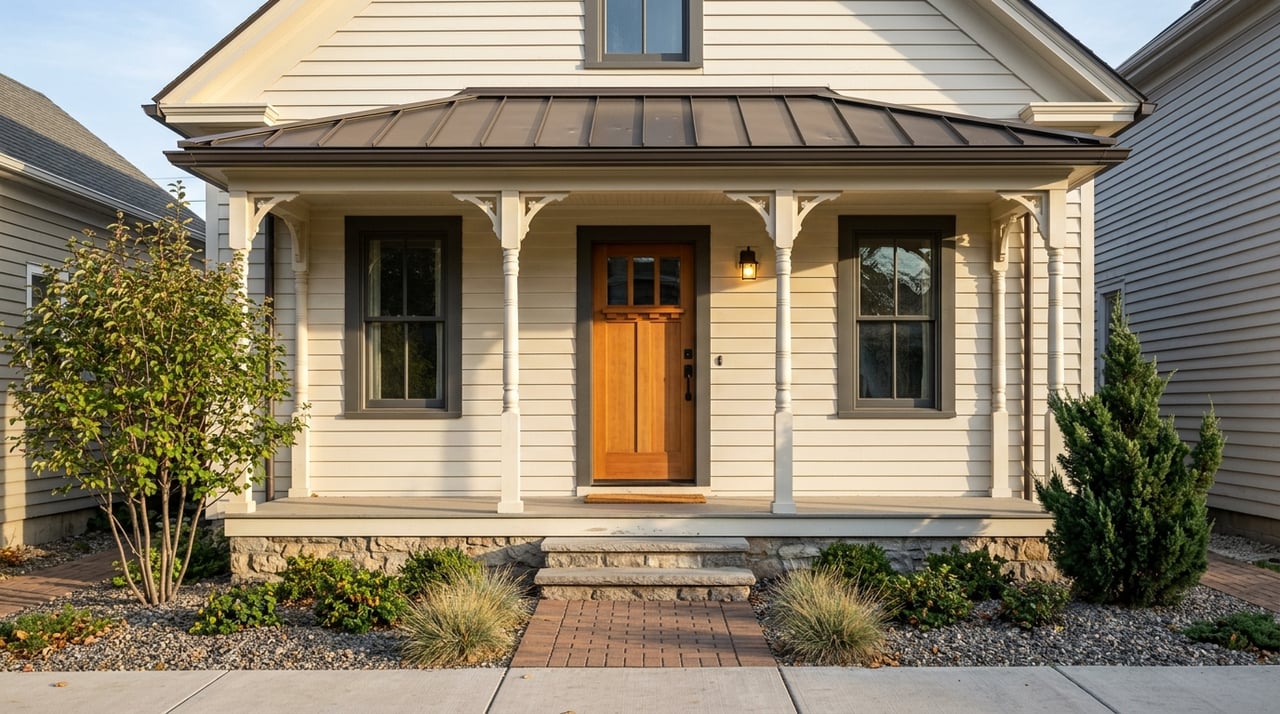
Selling A Historic Home In Telluride's Core
Thinking about selling a historic home in Telluride’s Core? It is not the same as listing a typical in-town property. Between historic review rules, property records, and timing around approvals, the details behind your home can shape both your prep plan and your sale. If you want to protect value and avoid surprises, it helps to understand what matters before you go to market. Let’s dive in.
Telluride’s Core sits within a National Historic Landmark District that the town says was designated in 1961 because of its importance in illustrating U.S. history, especially the mining boom era from 1878 to 1913. The town also notes that buildings, sheds, and site features all contribute to the district’s character. That broader preservation focus is a big reason historic-home sales require more care.
In practical terms, buyers may look beyond staging and finishes. They often want to understand what has been changed, what has been preserved, and whether past exterior work followed the town’s review process. In the Core, the paper trail can matter almost as much as the property itself.
Telluride’s Historic and Architectural Review Commission, or HARC, is the local review body for many exterior changes. The town says Certificates of Appropriateness are required before permits for erection, demolition, moving, renovation, restoration, additions, or alterations. For sellers, that means pre-listing prep should start with facts, not assumptions.
One of the first steps is confirming your property’s exact zoning and historic status. Telluride’s Historic Residential Zone District is intended to preserve, maintain, and enhance the historic character and scale of new and existing buildings. The code also allows limited HARC flexibility when that helps preserve historic structures, context, or mature vegetation.
That matters because your lot, building form, and exterior features may be viewed within a larger historic context. If you are planning updates before listing, the zoning and designation can affect what is straightforward, what needs review, and what may be discouraged.
If you do only one piece of early prep, make it this one. Telluride offers a public records request portal for past building and planning files, and the town says many requests are processed in three to five business days.
These records can help you verify past permits, approvals, and prior work. They can also help you spot missing documentation before a buyer, inspector, or closing timeline brings it to light. For a historic home in the Core, this early review can save time and reduce stress later.
If you are considering exterior touch-ups before going on market, plan carefully. Telluride says all exterior changes, including doors and windows, require a HARC application. After HARC approval, the building permit is submitted next.
The town also says HARC submittals are handled online through SmartGov, and paper applications are no longer accepted. That means even smaller exterior changes should be approached with the right sequence and documentation from the start.
This is especially important if you are trying to improve curb appeal on a tight listing schedule. A rushed exterior project can create delays if review is required and the application package is incomplete.
Historic-home prep in Telluride’s Core often involves more than getting a quote and setting a start date. The HARC checklist asks for items such as floor plans, property lines and setbacks, and a street profile for additions and alterations.
For sellers, that means the time needed to prepare a submission can extend beyond the actual construction work. If you are deciding whether to make exterior improvements before listing, factor in the effort required to gather materials and move through review.
A smart pre-listing strategy usually weighs the likely buyer benefit against the cost, timing, and approval path. In some cases, clear documentation and thoughtful pricing may be more valuable than starting a project late.
Not every project follows the same review route. Telluride says projects may be reviewed by staff, the chair, or the full commission, depending on scale.
Costs vary too. Under the town’s Jan. 1, 2025 fee schedule, HARC fees range from $120 for insubstantial applications to $2,420 for some larger review categories.
For sellers, this is a reminder that project scope matters. Before committing to pre-sale improvements, it helps to understand whether the work is minor, more involved, or likely to affect your listing timeline.
When it is time to market your home, historic character should be presented clearly and factually. In Telluride’s guidelines, original windows and window proportions are identified as major character-defining features.
The town prefers restoring historic windows and using storm windows over replacement windows. It also discourages changing original openings or adding new windows on street-visible facades.
That means preserved original elements are not just charming details. In the Core, they can be an important part of how buyers understand the home’s authenticity and relationship to the district.
If your home retains original windows, consistent proportions, or historically appropriate exterior details, those features should be documented and showcased in your marketing. Good photography helps, but so does clear property information.
If windows have been updated, buyers may want to know how that work was handled. Having records ready can support confidence and reduce uncertainty during due diligence.
Landscaping is also part of the historic presentation, not just decoration. Telluride’s guidelines call for simple plant palettes that fit the historic context, encourage native and drought-tolerant plants, and advise keeping established plantings when feasible.
For sellers, this means curb appeal should feel appropriate to the setting. Clean, well-kept outdoor areas that respect the home’s context can support a stronger first impression without overworking the site.
Telluride says the traditional street grid is a key ingredient in the Core. Its guidelines encourage expressing the historic plat through building placement, landscaping, lighting, retaining walls, fences, and hedges when feasible.
In marketing, this gives you another story to tell. A historic home is not only about the structure itself. It is also about how the property fits into the established pattern of the neighborhood and streetscape.
Historic-home sellers should also think ahead to closing costs and administrative details. Telluride’s Finance Department says the real estate transfer tax, or RETT, is a 3% tax paid on the sale of properties within the Town of Telluride and Sunset Ridge, with exemptions handled through the municipal code.
That tax should be part of your early net-sheet planning. On a high-value property, it can make a meaningful difference in your closing math.
If the home has been used as a short-term rental, there is another item to review. Telluride says short-term rental licenses are not transferable to a new owner, and the seller should notify the STR program administrator when the unit is sold.
That is the kind of detail that can affect buyer expectations, especially if a purchaser is asking about prior rental use. Clear, accurate communication helps the transaction stay smooth.
In many historic-core sales, timing is the issue sellers least expect. HARC’s meeting schedule is set at the end of each year for the following calendar year, so approval-related work may not move on the same timeline as a standard cosmetic update.
If you are planning exterior improvements, record cleanup, or repairs tied to approvals, it is wise to start well before your target listing date. A strong launch often depends on handling these moving parts early rather than trying to solve them mid-listing.
Selling a historic home in Telluride’s Core usually works best when you break the process into the right order:
This kind of sequencing helps you stay in control. It also gives buyers a cleaner, more confident story about the property.
In a market as specific as Telluride, historic-home sales benefit from local knowledge. A seller often needs help connecting records retrieval, review requirements, prep decisions, and market positioning into one plan.
JW Group brings that Telluride-specific perspective to the process, with local market experience and insight into design-sensitive properties in the Core. If you are preparing to sell a historic home and want a strategy built around timing, presentation, and the realities of local review, JW Group can help you map out the right next steps.

A Practical Guide to Wildfire Mitigation for Colorado Homes.
Comparing Mountain Village vs Telluride Real Estate for Luxury Buyers.
What to Know About Mountain Village, CO, Real Estate.

A Local's Look at Bridal Veil Falls and Other Telluride Waterfalls.

What to Know Before You Try the Telluride Via Ferrata.
The JW Group has one goal – helping buyers and sellers close deals. We work as a team so our clients receive the best possible knowledge and advice to get deals done.