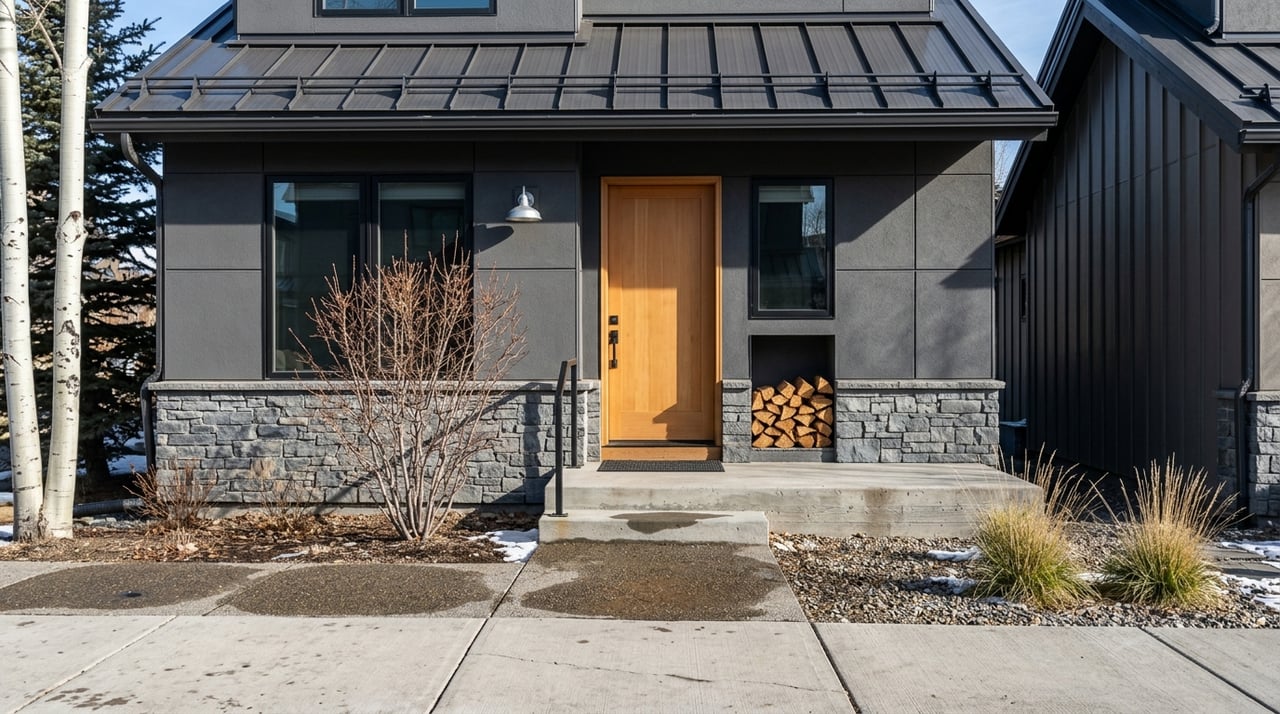
Understanding Deed-Restricted Ownership In Lawson Hill
If you are looking at Lawson Hill, one question can shape the entire purchase: what exactly does the deed restriction allow and require? That is a fair concern, especially in a market where buyers want clarity before they commit. Understanding how Lawson Hill deed-restricted ownership works can help you ask better questions, avoid surprises, and move forward with more confidence. Let’s dive in.
Lawson Hill is one of San Miguel County’s largest deed-restricted housing clusters, with about 155 units in the county’s 2025 housing update. That makes it one of the places where county affordable-housing rules show up in real day-to-day ownership and transactions.
In this area, deed-restricted housing is tied to San Miguel County’s affordable-housing program rather than the Town of Telluride’s separate system. According to county and SMRHA guidance, the program was created to help people who earn a living working in the Telluride R-1 School District rent or own homes and remain active in the local community.
A common mistake is assuming every Lawson Hill property follows one standard set of rules. In reality, county guidance says deed restrictions in unincorporated San Miguel County may be found in the Land Use Code, a recorded covenant, or both.
The exact terms can vary by development and even by individual property. The county’s 2025 housing update also notes that some buyers may have the option to use the currently recorded restriction or a newer approved covenant, depending on the parcel and recorded language.
San Miguel County explains that some properties began under the original Land Use Code restriction. Later, some owners were offered covenant versions, while special covenants were also created for certain developments to address financing or other needs.
That history is why Lawson Hill should not be treated as a one-size-fits-all deed-restricted subdivision. Before you make plans around occupancy, rental use, or resale, you need to confirm which recorded document governs the specific parcel.
Another point buyers sometimes miss is that the county covenant may not be the only controlling document. A county-hosted Lawson Hill covenant template states that HOA governing documents may be more restrictive than the covenant itself.
In practical terms, that means you may need to review both the recorded deed restriction and the HOA documents to understand the full picture. A property can be compliant with one document but still subject to stricter HOA requirements.
Eligibility for county deed-restricted housing is usually based on factors such as residency, employment, income, assets, and ongoing compliance. SMRHA administers qualification and may ask for supporting documentation during the process.
County FAQ materials say SMRHA typically takes seven business days to approve or deny a completed application. That timeline matters if you are trying to line up contract dates, financing, and closing.
One county-hosted Lawson Hill covenant template uses qualified-purchaser standards tied to local employee, retired or disabled, or alternative criteria. The same template also allows for co-borrowers in cases where a lender requires them.
That is one reason financing should be discussed early. If your lender has questions about borrower structure or covenant terms, it is much better to address them before you are up against a deadline.
Deed-restricted ownership in Lawson Hill is usually designed for real, ongoing local occupancy. These homes are not generally meant to function like occasional-use properties without limits.
County FAQ guidance says owners may be away from the housing unit for up to four months in a rolling 12-month cycle unless an exception is granted. If you are considering a Lawson Hill purchase, that occupancy rule is important to understand from the start.
Many buyers ask whether they can rent out a deed-restricted Lawson Hill property. The answer is that rental use is not automatic and usually requires written approval.
A county-hosted Lawson Hill covenant template says an owner may not rent or lease the unit without written approval, leases shorter than 30 days are not allowed, and only qualified tenants may occupy the property. County FAQ materials also say renters generally requalify every year and the owner must submit a new lease each year.
One of the biggest differences between deed-restricted ownership and a typical market-rate purchase is that compliance does not stop at closing. County FAQ materials say owners can be subject to random audits or other compliance verification.
Separate county-hosted Lawson Hill template language also includes cure periods and resale remedies if a household no longer meets the restriction. In plain terms, these are homes with continuing obligations, not just a one-time approval process.
Some buyers assume deed-restricted ownership always means a strict cap on appreciation. County FAQ guidance says that, except for Rio Vista II and Pinion Park, county deed-restricted properties do not have general price-appreciation caps.
Even so, that does not mean resale is unrestricted. Your specific recorded covenant can still affect approval, timing, transfer steps, and compliance requirements when it is time to sell.
If you own a deed-restricted home in Lawson Hill and plan to sell, the process may involve more coordination than a standard sale. A county-hosted Lawson Hill covenant template requires written notice to the administrator at least five days before offering the home for sale.
That same template allows either a for-sale-by-owner approach or listing through a Colorado-licensed broker. It also includes a County Transfer Fee equal to 1% of the sales price, with a waiver or escrow path if the seller purchases another deed-restricted property within six months.
Some Lawson Hill covenant language requires approval before transferring title to an interest in the property, including certain estate-planning transfers. Another county-hosted template also says that if a lender later determines its consent was required, the original restriction can reapply until the lender signs off.
That is a strong reason to involve your lender, title company, and any reviewing professionals early. Small timing issues can become bigger problems if deed-restriction approvals are treated as an afterthought.
Some covenant sections allow a sale or price-reduction process if a violation is not cured. In certain situations, this can involve appraisal-based pricing rules and, in some cases, a county purchase right.
This is not the typical experience for a compliant owner, but it does show why the deed restriction should be treated as a live transaction document. It has real effects on ownership, use, and resale strategy.
In Lawson Hill, the key question is usually not just whether a home is deed restricted. The better question is which recorded restriction governs this exact property, and what other documents apply alongside it?
Because recorded versions can differ and HOA rules may be more restrictive, careful review matters. SMRHA specifically tells owners to contact its office to determine which application is needed for a particular property.
If you are considering a deed-restricted Lawson Hill purchase, focus on these steps early:
A little extra diligence up front can make the entire process smoother. In a market as specific as Telluride and San Miguel County, local knowledge and careful coordination matter.
If you are weighing a Lawson Hill purchase or preparing to sell a deed-restricted property, working with a team that understands Telluride-area transaction details can make a real difference. JW Group brings local perspective and hands-on guidance to help you navigate complex property questions with clarity.

A Practical Guide to Wildfire Mitigation for Colorado Homes.

Comparing Mountain Village vs Telluride Real Estate for Luxury Buyers.

What to Know About Mountain Village, CO, Real Estate.

A Local's Look at Bridal Veil Falls and Other Telluride Waterfalls.

What to Know Before You Try the Telluride Via Ferrata.


The JW Group has one goal – helping buyers and sellers close deals. We work as a team so our clients receive the best possible knowledge and advice to get deals done.