Owning A Second Home In Ouray: What To Expect
Thinking about a second home in Ouray? It is easy to see the appeal. Between the hot springs, trail access, and dramatic mountain setting, Ouray offers a quieter kind of mountain ownership that feels very different from a larger resort town. If you are considering a place here, it helps to understand the housing mix, seasonal rhythms, and local rules before you buy. Let’s dive in.
Ouray has a strong outdoors-first identity. Official local tourism information highlights the Ouray Hot Springs Pool as a signature amenity, and the Ouray Trail Group maintains a broad local trail network that shapes how people use the area year-round.
That creates a different ownership experience than nearby Telluride. Telluride’s official winter materials point to skiing, Nordic activity, the gondola, restaurants, boutiques, spas, and a more event-driven resort atmosphere. Ouray, by comparison, tends to attract buyers who want a quieter mountain base centered on trails, soaking, and everyday access to the outdoors.
For many second-home buyers, that is exactly the point. If you want a home that feels connected to mountain life without the pace of a larger resort environment, Ouray can be a strong fit.
Second-home ownership is already a meaningful part of the local housing picture. Ouray County planning materials show the City of Ouray with a 42.5% vacant housing rate, while the county overall is at 29.4%. The same county materials note that the high vacancy rate is likely tied to second homes and short-term vacation rentals.
That matters because it affects how the town feels throughout the year. You may notice busier stretches tied to tourism and quieter off-season periods when fewer owners are in residence. For some buyers, that seasonality is a benefit. For others, it is something to plan around.
It also helps explain why ownership logistics matter here. In a market with a large seasonal component, property care, vendor access, and local support can become just as important as the home itself.
If you are shopping in the City of Ouray, be ready to see a meaningful share of older housing. County planning materials show that 38.5% of homes in the city were built before 1970, compared with 26.5% in Ridgway and 19.3% countywide.
Older homes can offer charm, location, and character, but they often need closer review. Systems, deferred maintenance, and inspection findings may carry more weight when you are buying a second home that you will not occupy full-time.
That does not mean older inventory is a drawback. It means you should go in with a practical mindset and a clear due-diligence plan, especially if you are considering a remodel, periodic rental use, or a property that will sit vacant for stretches of the year.
Mountain ownership is not only about the purchase. It is also about what happens after closing. County planning materials note that building new housing is difficult because of dramatic elevation changes, and that workforce shortages push many employees to commute into the area.
For you as an owner, that can affect day-to-day operations. Finding service providers, scheduling maintenance, and arranging year-round property oversight may take more planning than it would in a larger metro market.
This is especially important if you will use the home part-time. Before buying, think through who will handle routine check-ins, snow-related issues, maintenance coordination, and urgent repairs when you are away.
If rental income is part of your second-home strategy, you need to treat each nearby jurisdiction as its own regulatory environment. The rules in the City of Ouray, unincorporated Ouray County, Ridgway, and Telluride are not interchangeable.
In unincorporated Ouray County, a short-term rental permit is required. The county caps permits at 100 Type 1 and Type 2 permits, plus 25 Type 3 permits. The county also lists current short-term rental tax components as 2.9% state sales tax, 2.55% county sales tax, and a 6% lodging district tax effective January 1, 2026.
Within the City of Ouray, the rules are different. The city’s 2021 short-term rental rules prohibit STRs in the R-1 zone, allow them in R-2, C-1, and C-2, and make licenses nontransferable when ownership changes. The city also uses a cap-and-trade structure.
The key takeaway is simple: never assume a home can be rented short term just because another home nearby is doing so. Before you buy, verify the property’s location, zoning, licensing path, and any applicable caps.
Second-home buyers often compare several nearby communities before deciding where to land. Each offers a different ownership experience.
County housing profiles show 42.5% vacant housing in the City of Ouray, 12.3% in Ridgway, and 48.3% in Telluride. Taken together, those figures suggest Telluride is the most seasonal of the three, Ouray is also clearly vacation-oriented, and Ridgway tends to feel more year-round.
Lifestyle differences show up in the infrastructure too. Ouray has a seasonal in-town shuttle that runs daily from June through mid-September on a 45-minute loop connecting downtown, lodging, trailheads, and visitor sites. Telluride has a broader public transit system, including a free bus bridge during gondola closures, along with a more built-out resort setting.
If your priority is a quieter base with hot springs and local trail access, Ouray may stand out. If you want more resort infrastructure and winter programming, Telluride may offer a different kind of fit. If you prefer a less seasonal feel, Ridgway may be worth a close look as well.
For many second-home buyers, ease of arrival is part of the decision. Visit Ouray identifies Montrose Regional Airport as the closest airport with scheduled service. Official winter visitor information also lists Telluride, Durango, and Grand Junction as other airport options.
That makes travel planning fairly straightforward, but not effortless. If you expect frequent visits, quick holiday trips, or regular guest use, you will want to think about drive times, winter conditions, and how easily you can get into town in different seasons.
Once you are there, local transportation options are more limited than in a larger resort community. Ouray’s shuttle is seasonal, which reinforces the importance of planning around your own vehicle access and arrival schedule.
Owning in the mountains means planning for changing conditions, not just peak-season fun. Ouray County maintains emergency management and evacuation information, and county hazard planning emphasizes wildfire readiness.
The 2025 hazard plan notes that vacant homes may not be maintained as well and that households without vehicles may have more difficulty evacuating during wildfire events. For second-home owners, that is a practical reminder to think through property monitoring, emergency communication, and access when you are not in town.
You should also expect weather to shape travel and maintenance planning. County resources direct residents to COtrip and weather information, which can be useful during active travel periods and seasonal changes.
One of Ouray’s clearest strengths is how easy it is to build your time around the outdoors. The Ouray Trail Group says it maintains 84 trails, and COTREX lists the Ouray Perimeter Trail at 5.75 miles.
That kind of access can change how you use a second home. Instead of treating the property as a once-or-twice-a-year getaway, you may find yourself planning shorter, more frequent trips because the lifestyle payoff starts right outside the door.
Nearby communities offer their own versions of that benefit. The BLM says the Ridgway Area Trails cover 25 miles and are seasonally closed from December 1 to April 30 for wintering wildlife, while the Ridgway Trail System offers more than 20 miles of non-motorized trails next to Ridgway State Park. Telluride’s official winter materials, meanwhile, focus more on skiing, Nordic skiing, fat biking, and resort-centered activity.
A second home in Ouray can be deeply rewarding, but the best purchases usually come from asking the right questions early. Focus on practical details as much as lifestyle appeal.
Here are a few smart items to clarify before moving forward:
When those details line up with your goals, ownership tends to feel a lot smoother.
Ouray offers a compelling second-home option for buyers who want mountain access, a quieter setting, and a lifestyle built around trails, hot springs, and seasonal adventure. The tradeoff is that ownership here works best when you go in with clear expectations about housing age, service availability, rental rules, and part-time property care. If you are exploring whether Ouray, Ridgway, or Telluride is the right fit, JW Group can help you compare the options and navigate the process with local perspective.
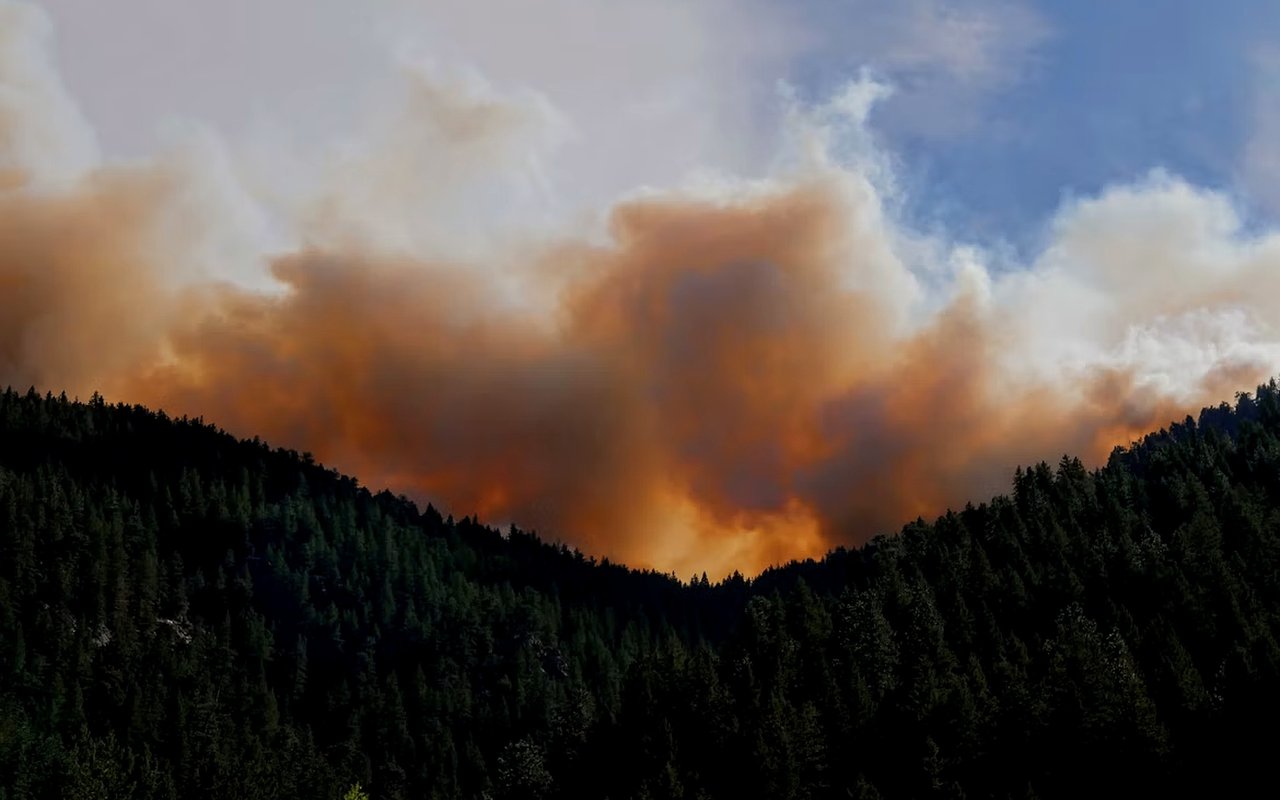
A Practical Guide to Wildfire Mitigation for Colorado Homes.
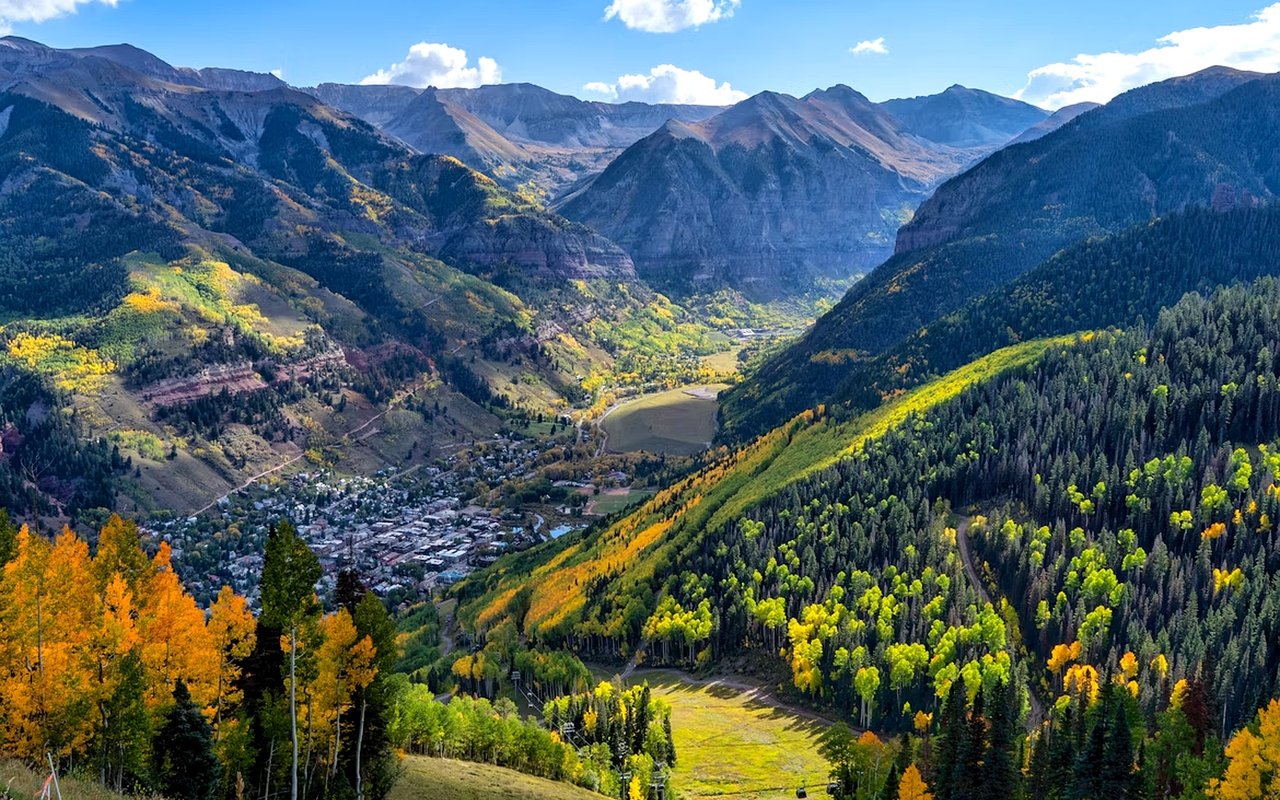
Comparing Mountain Village vs Telluride Real Estate for Luxury Buyers.
What to Know About Mountain Village, CO, Real Estate.
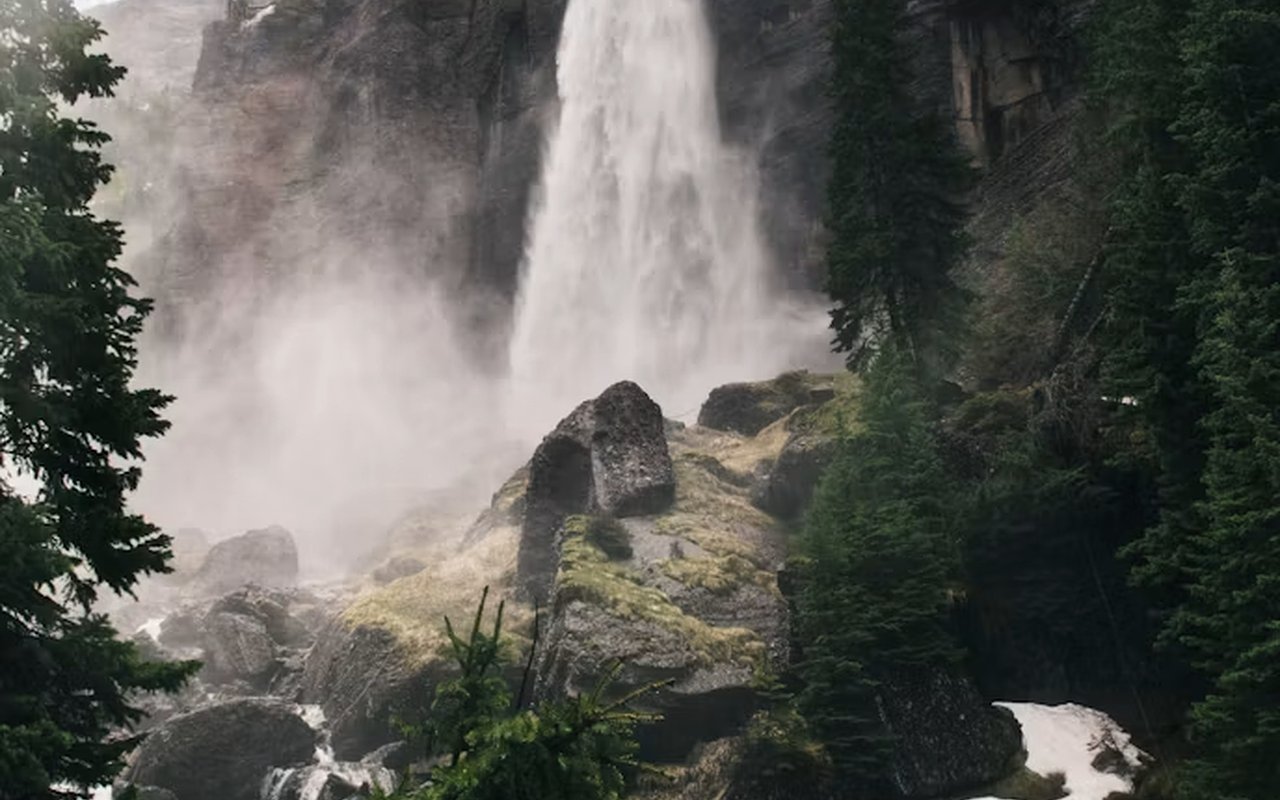
A Local's Look at Bridal Veil Falls and Other Telluride Waterfalls.
What to Know Before You Try the Telluride Via Ferrata.
The JW Group has one goal – helping buyers and sellers close deals. We work as a team so our clients receive the best possible knowledge and advice to get deals done.