By JW Group
Wildfire mitigation is an important part of owning and maintaining a mountain property in Telluride, CO, where terrain, vegetation, exterior materials, and site design can all shape a home's wildfire exposure. For buyers and homeowners, the most useful approach starts with understanding the structure and the land immediately around it, then building a property-specific maintenance plan. We think wildfire mitigation for Colorado homes works best when owners prioritize the home ignition zone, use qualified local resources, and revisit mitigation as the property changes over time.
Key Takeaways
- Defensible space begins immediately around the home
- Home hardening addresses potential structural vulnerabilities
- Telluride-area terrain can shape mitigation priorities
- Wildfire mitigation works best as ongoing property maintenance
Start With the Home Ignition Zone and Defensible Space
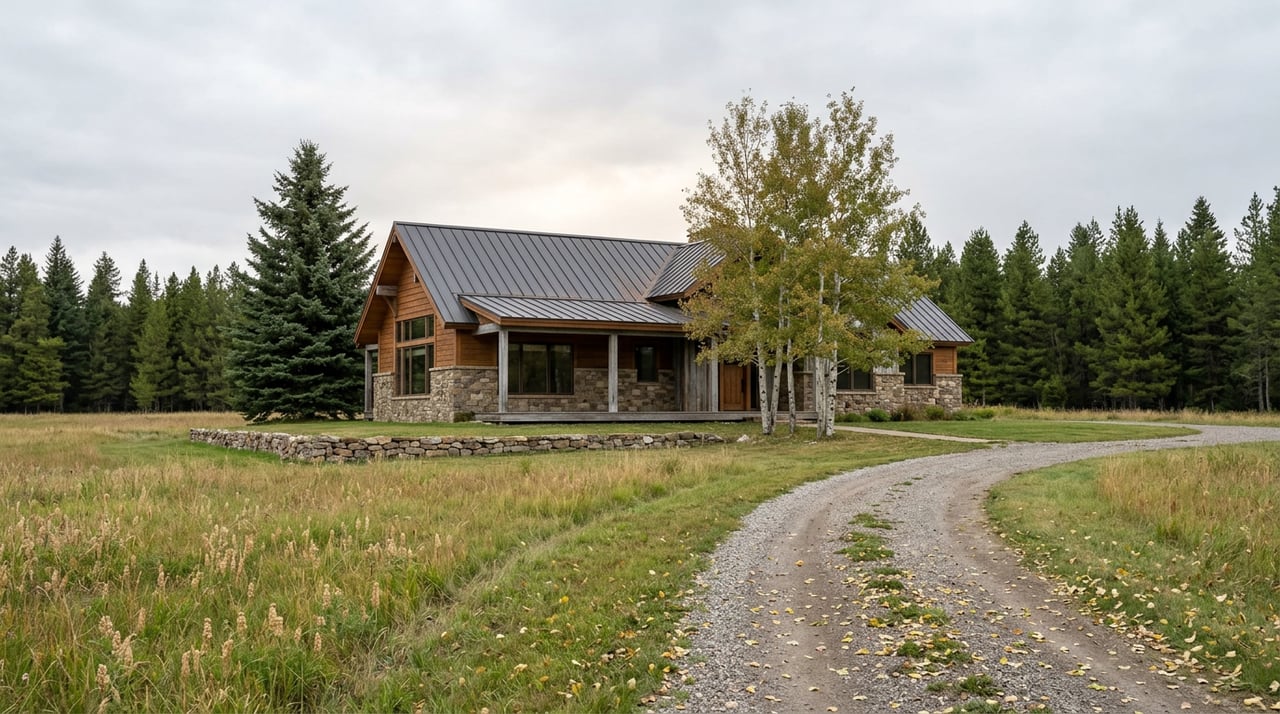
Colorado wildfire guidance organizes mitigation around the home ignition zone, which includes the structure and surrounding areas where fuels and site conditions can influence wildfire exposure. For homes in Telluride, CO, defensible-space planning begins within five feet of the structure and extends outward, with vegetation management changing as distance from the home increases. Slopes, mature trees, decks, outbuildings, and property boundaries can all influence how these zones are managed on an individual site.
How Defensible Space Is Organized
- Zone 1 covers the first 0–5 feet around the home and receives the most intensive attention
- Zone 2 generally extends 5–30 feet and focuses on reducing and separating potential fuels
- Zone 3 generally extends 30–100 feet on relatively flat ground and emphasizes vegetation and fuel management
- Terrain, vegetation, property boundaries, and nearby structures can shape property-specific recommendations
Include the Home Itself in the Mitigation Plan
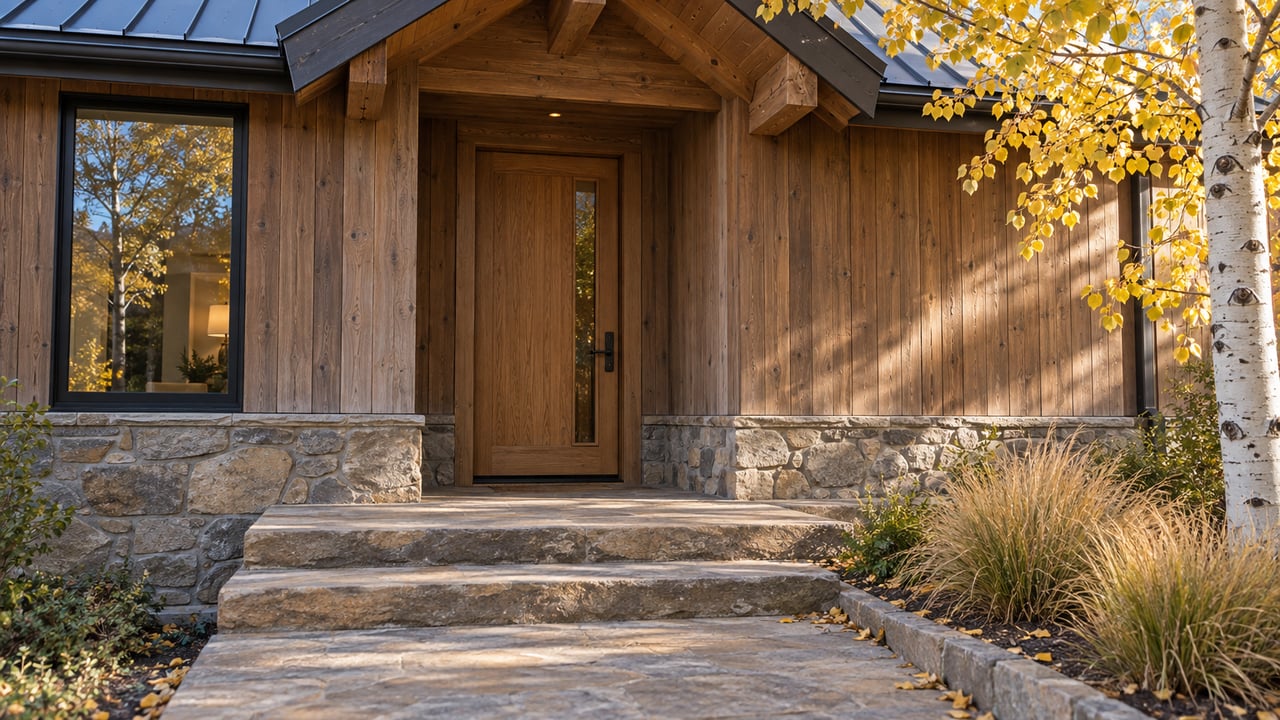
Wildfire mitigation for Colorado homes extends beyond vegetation management because embers and heat can also affect roofs, vents, decks, siding, and other exterior components. Colorado guidance emphasizes features such as Class A roofing, screened vents, clean roofs and gutters, and careful management of combustible materials close to the structure. Around Telluride and Mountain Village, architectural details like expansive decks, complex rooflines, exterior materials, and outdoor living spaces deserve attention as part of a comprehensive property assessment.
Home-Hardening Details to Review
- Roofing materials and the condition of roof assemblies
- Attic, eave, roof, and foundation vent screening
- Deck construction and materials stored beneath elevated areas
- Siding, fencing, windows, and other exterior components
Let Telluride-Area Terrain Guide the Approach
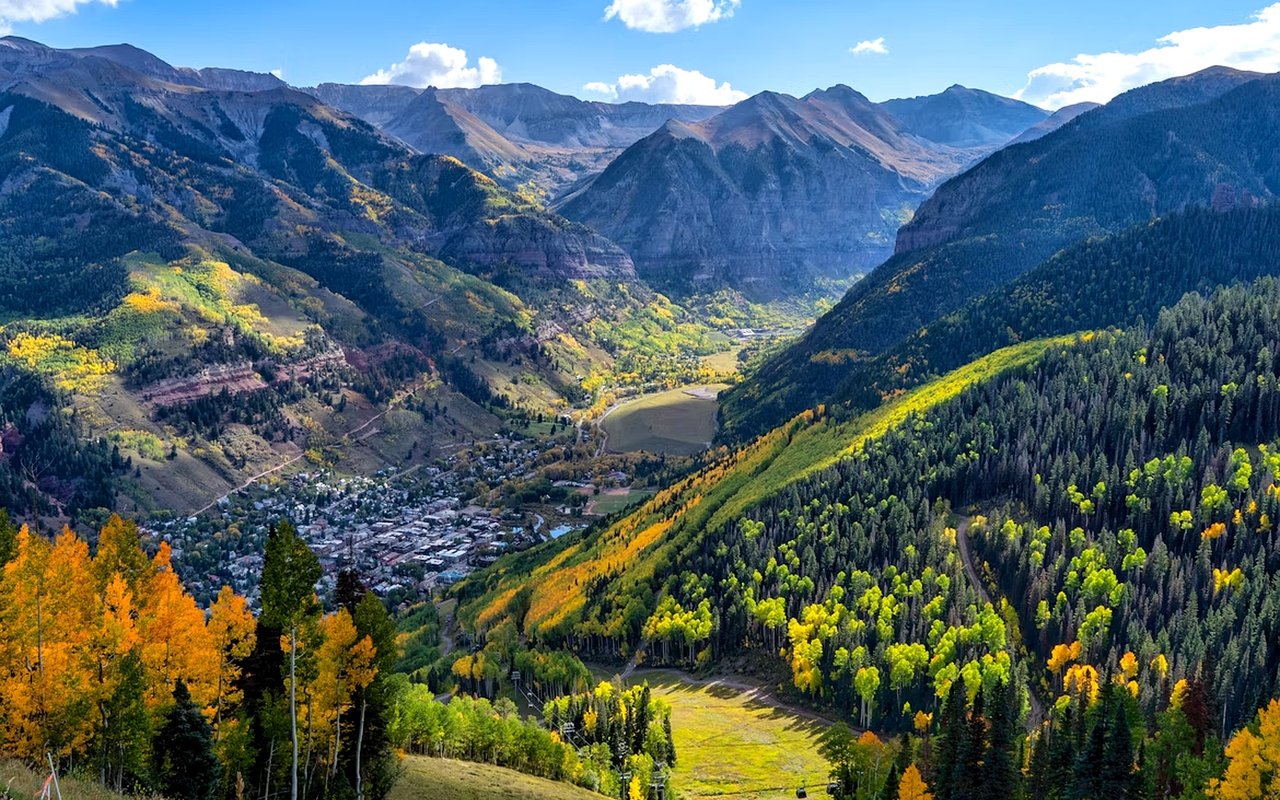
Each mountain property benefits from a mitigation plan shaped by its specific terrain, vegetation, access, and improvements. A residence in Mountain Village, a home in East Telluride, and a property in Aldasoro or on Log Hill Mesa can present different slopes, vegetation patterns, driveway configurations, and relationships between structures and surrounding land. We think those property-level differences are especially important when deciding which wildfire mitigation projects deserve priority.
Site Features That Can Shape Mitigation
- Slope and the position of vegetation relative to the home
- Density, spacing, and type of trees, shrubs, and grasses
- Driveway configuration and access around the property
- Placement of decks, garages, sheds, and other structures
Understand Current Wildfire-Resilient Building Requirements
Wildfire-resilient construction standards have received increased attention in Colorado this year, and local requirements deserve particular attention when owners are planning construction. San Miguel County adopted the Colorado Wildfire Resiliency Code in 2026, with enforcement beginning July 1 for projects and properties subject to the county's applicable requirements. Telluride-area properties can fall under different jurisdictions, so we recommend confirming the standards that apply to the specific property and project before design or construction decisions are finalized.
What to Confirm Before Beginning a Project
- Which local jurisdiction governs the property
- Whether the project falls under current wildfire-resilient construction requirements
- Which exterior materials and building details apply to the planned work
- Which reviews, permits, or approvals apply to the project
Use Local Resources for Property-Specific Guidance
San Miguel County works with the West Region Wildfire Council to provide wildfire mitigation resources to homeowners, property owners, and HOAs, including free site visits that can help identify priorities for an individual property. This kind of site-specific guidance is especially valuable because wildfire mitigation for Colorado homes depends heavily on the relationship between the structure, vegetation, terrain, and surrounding conditions. From a real estate perspective, we can help clients recognize the questions worth asking while qualified wildfire professionals provide the technical assessment and mitigation recommendations.
How a Site Visit Can Help
- Identify areas around the home that deserve attention
- Prioritize defensible-space and vegetation-management projects
- Highlight potential home-hardening opportunities
- Create a clearer plan for future mitigation and maintenance
Make Wildfire Mitigation Part of Ongoing Home Maintenance
Wildfire mitigation works best as an ongoing part of caring for a Telluride-area property because vegetation grows, debris accumulates, landscaping evolves, and exterior materials change with time. Seasonal and second-home ownership can also make a documented maintenance plan useful when property care is coordinated between visits. We recommend keeping mitigation considerations alongside other recurring property-maintenance priorities so changes around the home receive regular attention.
What to Revisit Throughout the Year
- Roofs and gutters for leaves, needles, and other combustible debris
- Vegetation growth within the property's defensible-space zones
- Materials stored near decks, exterior walls, and other structures
- Changes to landscaping, fencing, outbuildings, and outdoor living areas
FAQs
Where Should We Start With Wildfire Mitigation on a Telluride-Area Property?
We would start by understanding the home ignition zone and arranging a property-specific assessment with a qualified wildfire professional. The areas closest to the structure generally receive the highest priority, followed by vegetation and fuel management farther into the property.
How Much Defensible Space Does a Telluride-Area Home Need?
Colorado guidance uses zones beginning within five feet of the home and extending outward, with the third zone generally reaching 100 feet on relatively flat ground. Terrain, vegetation, property boundaries, and other site characteristics can influence the appropriate treatment, so a site-specific assessment provides the clearest direction.
Should We Consider Wildfire Mitigation When Buying a Telluride Home?
We think wildfire mitigation belongs in the broader evaluation of a mountain property's condition, site characteristics, and future maintenance needs. We can help buyers identify relevant property questions and local resources while qualified professionals provide technical wildfire mitigation guidance.
Contact JW Group About Wildfire Mitigation for Colorado Homes
Buying, selling, or maintaining a luxury mountain property involves understanding the land as well as the residence itself. We help clients consider terrain, vegetation, exterior improvements, ongoing maintenance, and existing mitigation measures as part of the larger real estate picture in Telluride, CO, and surrounding mountain communities.
If you are evaluating a property or preparing to sell, connect with
JW Group. We can help you approach wildfire mitigation for Colorado homes with local real estate context, identify the property considerations worth exploring, and connect those questions with the appropriate professional resources.