By JW Group
We get asked about the Via Ferrata constantly, both from clients considering a move here and from visitors looking for something memorable to do during their stay. It's one of the more iconic experiences this area offers, but it's also a serious undertaking that deserves real respect, not just enthusiasm. Here's what we think anyone considering it should actually understand first.
Key Takeaways
- A via ferrata is a protected climbing route, not a standard hike, even where it feels like one
- A significant portion of Telluride's route lacks continuous fixed cable protection
- This is a high-consequence route where an accident can have fatal outcomes
- Hiring a local guide is strongly recommended, especially for anyone without climbing experience
What a Via Ferrata Actually Is
Via ferrata is Italian for "iron way," and the concept originated during World War I as a way to move troops through exposed, high-mountain terrain in the Alps using fixed cables, rungs, and ladders. A modern via ferrata applies that same idea for recreation, letting people traverse otherwise inaccessible cliff faces while clipped into a permanent steel cable system. Telluride's version, often called the Kroger Via Ferrata after the local climber who built it, runs along the east end of Box Canyon at heights reaching several hundred feet above the valley floor.
Understanding the Basic Concept
- "Via ferrata" translates to "iron way," originating from WWI mountain troop routes
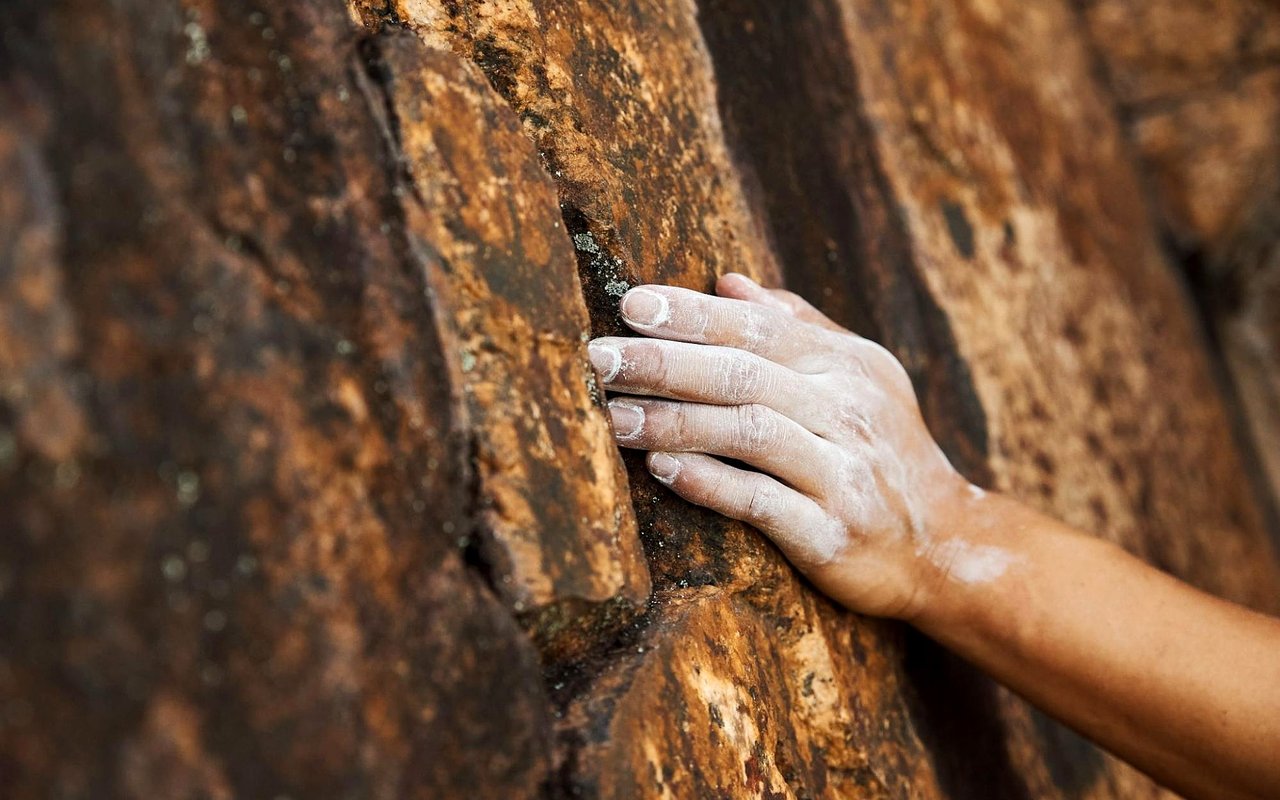
- A fixed steel cable and rung system anchored to the cliff face itself
- Climbers clip into the cable using a harness and a specialized lanyard
- Telluride's route reaches significant exposure at its most intense sections
The Route: What Makes Telluride's Version Unique
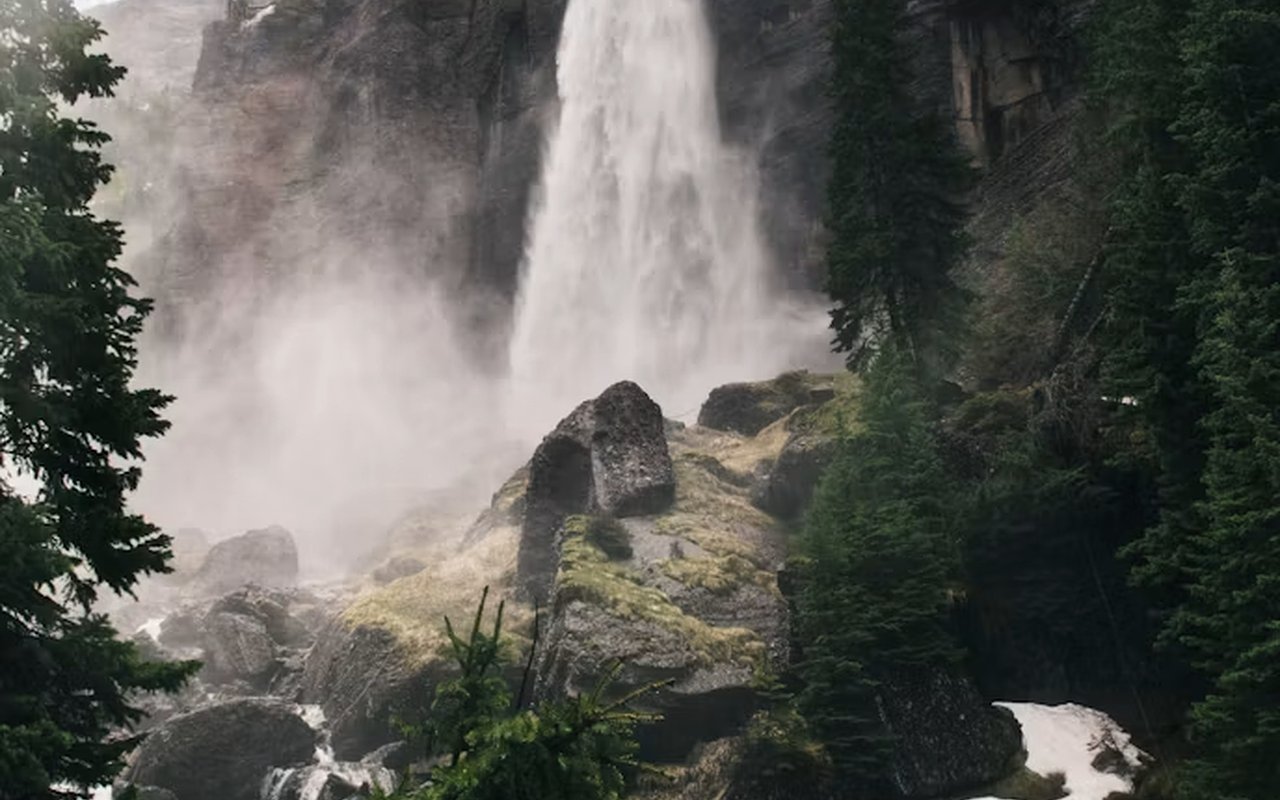
Sources describe the total distance of the Telluride Via Ferrata differently depending on what they're measuring, ranging from just over two miles for the core cable-protected sections to closer to five miles when including the full approach and return loop, so it's worth confirming exact distance with a local guide before you go. A meaningful portion of the route relies on natural rock holds and careful foot placement rather than continuous cable protection. The route rewards those who complete it with views of the San Juan Mountains, Bridal Veil Falls, and the Telluride valley below.
What Sets This Route Apart
- Total distance varies by source, from roughly two to five miles depending on what's measured
- Long exposed sections relying on natural rock holds rather than fixed rungs
- Rated moderate technical difficulty with serious exposure on some difficulty scales
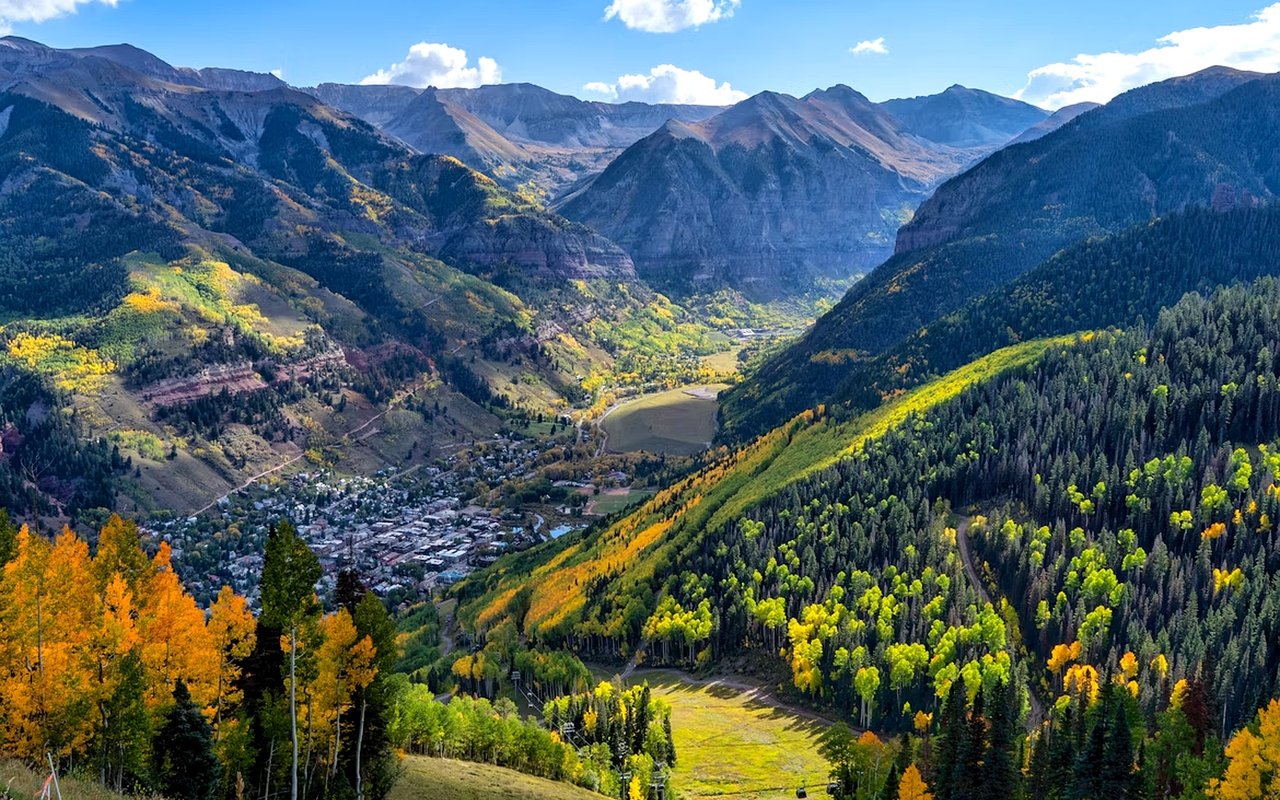
- Views of the San Juan Mountains, Bridal Veil Falls, and the valley below
Why This Isn't a Casual Hike
Some sections of the Telluride Via Ferrata can feel more like an exposed hiking trail than a technical climb, but that impression is exactly what makes the route dangerous for anyone who underestimates it. The Telluride Mountain Club, which maintains the route, is direct about this: an accident here can easily have fatal consequences, and even something as minor as a sprained ankle can quickly become a serious rescue situation. Good physical fitness, real comfort with heights, and a clear understanding of the exposure involved all matter more here than most visitors initially expect.
What Makes This Route Genuinely Serious
- Long sections without continuous cable protection increase real risk
- The Telluride Mountain Club itself warns that accidents here can be fatal
- Even minor injuries can become major rescue situations given the terrain
- A level of fitness and comfort with heights that shouldn't be assumed casually
Gear and Guides: What You Actually Need
At minimum, completing the route requires a climbing harness, a helmet, a via ferrata-specific lanyard with shock-absorbing arms, at least three locking carabiners, and sturdy hiking shoes, along with water and a snack for the trip. Hiring a local guide is strongly recommended, especially for visitors without prior climbing or via ferrata experience, since guides provide the technical equipment, route knowledge, and safety judgment that make the experience meaningfully safer. Local outfitters offer guided trips throughout the season, and some support ongoing route maintenance through a portion of every booking.
What to Have Before You Go
- A climbing harness, helmet, and via ferrata-specific lanyard with shock-absorbing arms
- At least three locking carabiners, plus sturdy hiking shoes
- Water, a snack, and ideally a headlamp and rain gear as backups
- A local guide, strongly recommended for anyone without prior via ferrata experience
When to Go
The Telluride Via Ferrata is typically open and most reliably accessible from June through October, once snow and ice have cleared from the route. Weather in the San Juans can shift quickly even in summer, so checking conditions before heading out and watching for afternoon storms is a real part of planning the trip responsibly. Attempting the route outside of this general window, or in questionable weather, meaningfully increases the risk involved.
Planning Your Timing
- Most reliably open and accessible from June through October
- Snow, ice, and spring runoff can affect conditions outside that window
- Afternoon thunderstorms are common in summer and worth planning around
- Checking current conditions directly before heading out is always worth doing
FAQs
Do we really need a guide if we have some climbing experience?
We'd still recommend it for most people, honestly, especially on a first attempt. Local guides know this specific route's exposure and conditions in a way that general climbing experience alone doesn't fully cover.
Is this appropriate for kids or first-time hikers?
It can be, with the right preparation and a guide, but we wouldn't recommend it casually for anyone without a real assessment of fitness and comfort with heights first. This isn't a route to attempt on a whim.
What's the single biggest mistake people make on this route?
Underestimating it because parts of it look like a regular hiking trail. We always tell people that impression is exactly what makes the exposed sections so dangerous for someone unprepared.
Contact JW Group Today
We love sharing what makes Telluride such a unique place to live and visit, and experiences like the Via Ferrata are part of that story, alongside everything we help clients understand about the local lifestyle. We're happy to talk through what makes this community special beyond the real estate itself.
Reach out to
JW Group, and let's talk about life here in Telluride.