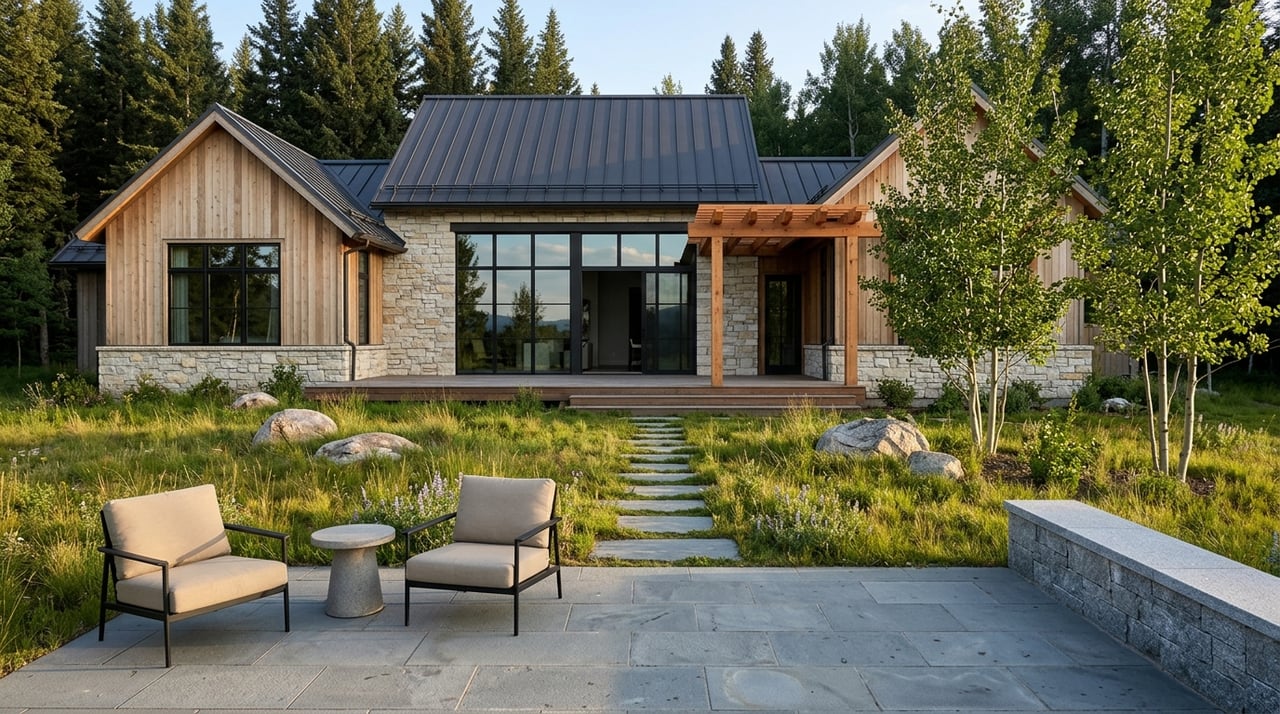
Building A Custom Home In The East Telluride Valley
Thinking about building in Telluride, but not sure where a custom home project makes the most sense? You are not alone. Many buyers love the idea of a home close to town, trails, and mountain views, yet quickly realize how limited and complex in-town opportunities can be. The good news is that the East Telluride Valley offers a path worth serious consideration, especially if you want more flexibility for site planning and design. Let’s dive in.
Telluride’s townsite is famously compact. The core is only eight blocks wide and twelve blocks long, and it sits within a National Historic Landmark District surrounded by high alpine peaks. That limited footprint helps explain why land in and near town is so scarce, and why east-end parcels often catch the attention of buyers who want to build without giving up proximity to Telluride.
The broader east end is shaped by both private land and protected open space. According to San Miguel County’s East End Master Plan, about 73% of the East End area is federally managed. In practical terms, that means custom-home opportunities are limited to specific private parcels, which supports the long-term value of well-located homesites in the corridor.
For many buyers, the appeal is straightforward. You can stay close to Telluride while gaining access to a setting that feels more open, more site-specific, and often more suited to a true custom-home vision.
One of the biggest differences between the east end and the historic core is how the land works. In Telluride’s older residential areas, lots are tighter and the code is more prescriptive. In the Historic Residential Zone, the code sets a minimum lot area of 2,500 square feet, a minimum lot width or frontage of 25 feet, and a maximum gross floor area of 4,000 square feet for a principal building.
By contrast, the Town’s East and West Telluride Residential Treatment Area guidelines recognize that these areas have different site conditions. The guidelines note that varying lot sizes, setbacks, natural conditions, and view corridors create more site-specific design opportunities than what you typically find in the older in-town grid. That can make a meaningful difference if your goals include a view-oriented layout, more individualized siting, or a home design shaped by the land itself.
That said, flexibility does not mean anything goes. Projects in the east end are still expected to relate to Telluride’s broader architectural context through materials, massing, and landscaping. The goal is a home that feels connected to Telluride, not separate from it.
For many custom-home buyers, the east end offers a strong mix of access and setting. You remain close to town while enjoying a corridor shaped by open space, mountain views, and recreation. San Miguel County also identifies the Idarado Legacy Trail as a 1.24-mile trail between the Town of Telluride and the Idarado Mine in the east end of the valley, adding another layer of appeal for buyers who want convenient trail access near home.
The bigger draw, though, is often the balance. You are not choosing between being in Telluride and being in nature. In the east end, those two qualities can come together in a way that feels hard to replicate elsewhere in the market.
Before you think too far ahead about floor plans or finishes, confirm which jurisdiction governs the parcel. This is one of the most important first steps in any east-end custom-home search because it shapes the approval process from day one.
Inside the Town of Telluride, Historic and Architectural Review Commission approval is required before permits for erection, demolition, moving, renovation, restoration, additions, or alterations can move forward. The Town routes HARC applications through SmartGov, and after approval, applicants submit building permit materials online and schedule inspections through that same system.
In unincorporated San Miguel County, the process is different. A new residence generally requires a Development Permit, and County guidance notes that this permit can include Planning, Building, OWTS, and Road & Bridge requirements. If your parcel is outside town limits, county review may drive the timeline and consultant team you need.
Some east-end opportunities can also involve overlapping considerations. That is why it is smart to confirm early whether the property will be reviewed by the Town, the County, or a combination of both for different approvals.
A beautiful parcel is only part of the story. The next question is how buildable it is within the local review framework. In the East Telluride Valley, a few site issues can affect design, cost, and timeline more than buyers expect.
The Town’s East and West Telluride design guidance acknowledges that some sites are constrained by steep gradients and that primary vehicle access may need to come from the front yard on certain lots. That makes driveway, garage placement, and arrival sequence central to the design process, not minor details to solve later.
The Town also maintains Public Works permits that include Lot Access and Geo Hazard permits. If access is challenging, or if site work affects drainage and construction logistics, approvals can take more coordination than a buyer initially assumes.
Hazard review can add time and cost, so it is worth checking early. The Town notes that properties in designated flood zones may require FEMA elevation certificates and a floodplain or geohazard permit application. Even if a parcel looks straightforward on first glance, mapped conditions can influence home placement, engineering, and insurance considerations.
Not every homesite is permit-ready as it sits. Some opportunities may involve a replat, subdivision, or another land-configuration step before a standard building permit path begins. Telluride’s code outlines subdivision planning steps, and both Town and County guidance point applicants toward planning review early in the process.
This matters because what looks like a simple lot purchase can actually be a more involved land-use project. If that is the case, your timeline may need to account for additional survey, planning, and consultant coordination.
When buyers picture a custom home, they often start with room count, style, or finish level. In the East Telluride Valley, the better starting point is the site. View corridors, lot orientation, grade, access, and how the home sits on the land will shape the project long before interior details come into focus.
The local design framework supports site-responsive solutions, but it also asks homes to remain context-aware. That means thoughtful massing, traditional materials where appropriate, and forms that relate to Telluride’s character even when the architecture feels current. A strong project usually comes from balancing individual vision with local design expectations.
Landscape planning should also begin early. Telluride’s design guidance favors native and drought-tolerant planting, discourages large areas of sod, and encourages year-round screening that also considers the future effect of mature trees on views, structures, and neighboring properties. In other words, landscaping is part of the approval and design conversation, not just a finishing touch.
A custom home in the east end is not just about what you can build now. It is also about buying into a corridor where land use, transportation, recreation, and the relationship between the built and natural environment remain active planning topics. San Miguel County’s East End Master Plan specifically addresses these broader themes, which is helpful context for buyers thinking long term.
That does not mean uncertainty should keep you from moving forward. It simply means your due diligence should extend beyond the lot lines. Understanding access, open-space context, and the planning direction of the corridor can help you make a more informed decision.
If you are evaluating custom-home opportunities in the East Telluride Valley, start with these questions:
This is where having local guidance can save you time. In a constrained market like Telluride, the right parcel is not just about scenery. It is about how well your vision aligns with the site, the review process, and the practical realities of building in the valley.
Building a custom home in the East Telluride Valley can be rewarding, but it is rarely simple. The best outcomes usually come from understanding the parcel before you fall in love with a concept. That includes entitlement path, site constraints, design context, and how the property fits into the broader Telluride market.
For buyers who want a home close to town with room for a more tailored design approach, the east end deserves a serious look. With strong local insight, you can evaluate land more clearly, plan more confidently, and avoid surprises that often surface too late in the process.
If you are exploring land or custom-home opportunities near Telluride, JW Group can help you evaluate the right fit with local context, practical insight, and hands-on guidance.
A Practical Guide to Wildfire Mitigation for Colorado Homes.
Comparing Mountain Village vs Telluride Real Estate for Luxury Buyers.
What to Know About Mountain Village, CO, Real Estate.
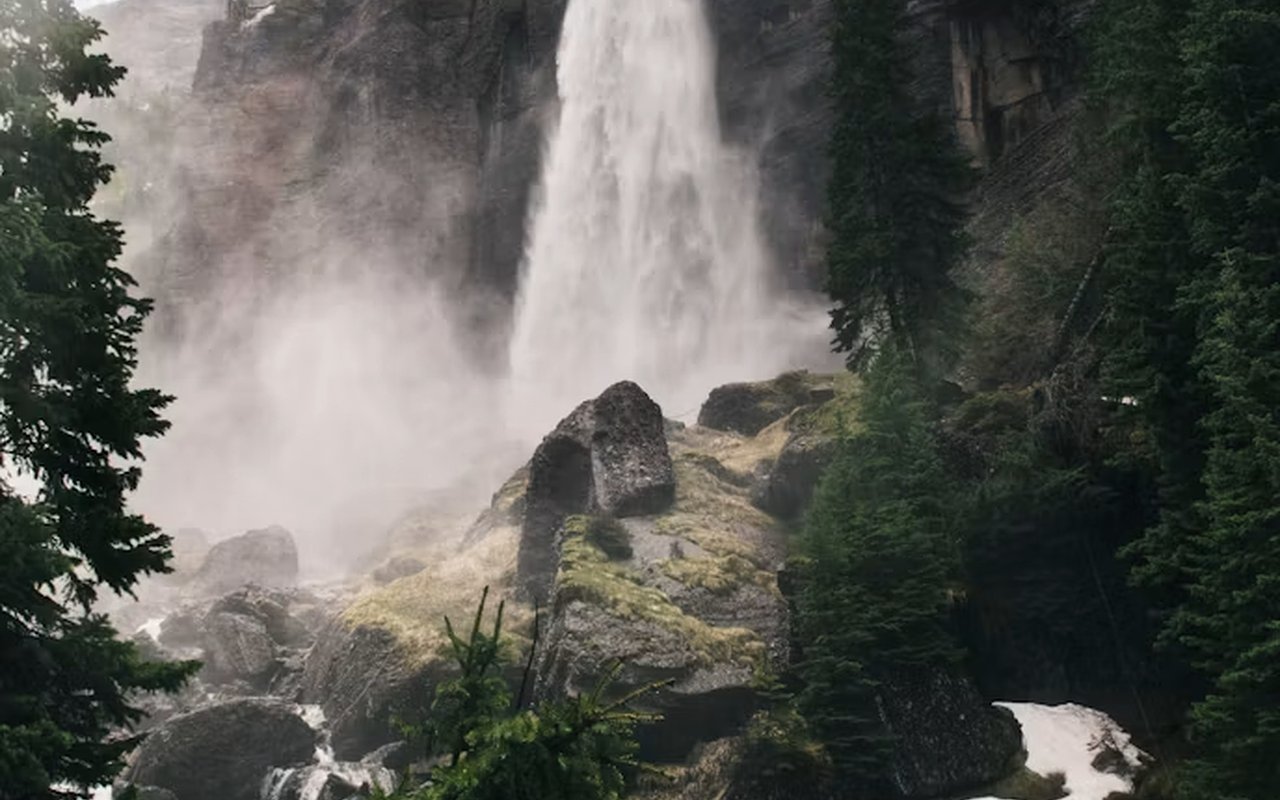
A Local's Look at Bridal Veil Falls and Other Telluride Waterfalls.

What to Know Before You Try the Telluride Via Ferrata.
The JW Group has one goal – helping buyers and sellers close deals. We work as a team so our clients receive the best possible knowledge and advice to get deals done.