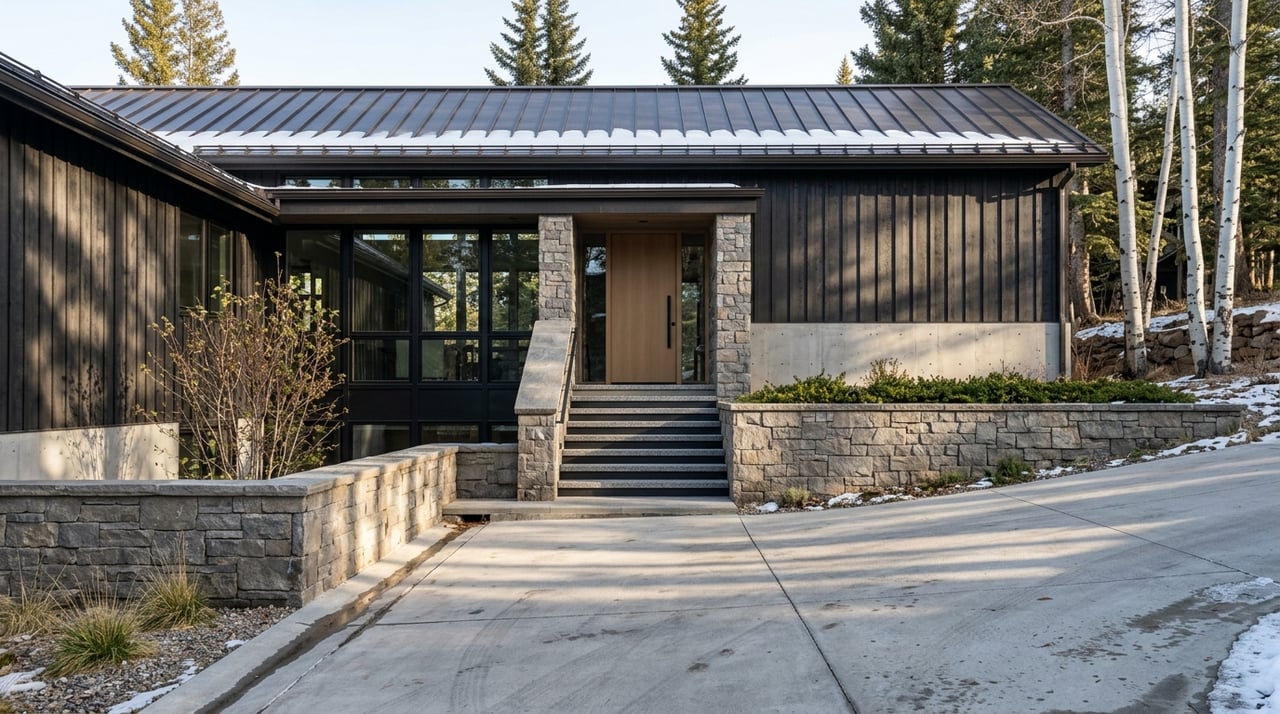
How Mountain Village Neighborhoods Differ Beyond The Core
If you have started looking beyond Mountain Village’s core, you have probably noticed something quickly: these neighborhoods do not differ by name alone. They differ by how you move through them, how close you feel to trails and lifts, and how much convenience, privacy, or topography shapes daily life. If you want to understand which pocket may fit your goals best, this guide will help you compare the areas beyond the core in a practical way. Let’s dive in.
Mountain Village is a small, high-elevation municipality in San Miguel County, sitting at 9,545 feet and covering about 3.27 square miles. The town describes its vision as a pedestrian-friendly, ski-in/ski-out resort community with single-family estates set among trails and golf fairways, with the free gondola linking Mountain Village and Telluride.
That bigger picture matters when you look outside the core. In these outer pockets, the real differences often come down to access, trail connections, slope, and how easy a home feels in both winter and summer.
If you want the strongest year-round neighborhood feel outside the core, the Meadows and Adams Ranch corridor usually stand out first. The town describes the Meadows as an area where a large population of full-time residents live, with a mix of condos, townhomes, and single-family developments.
This area also has practical features that support daily routine. The town notes there are trails, a playground, and a free summer bus between the Meadows and Mountain Village Center, with winter bus service continuing until the chondola opens.
That combination gives the Meadows a more lived-in feel than some of the more resort-facing pockets. For many buyers, it reads as a place where you can keep a real routine while still staying close to ski access and town amenities.
Adams Ranch helps strengthen that practical, year-round appeal. Adams Ranch Road serves as an access point for the town’s Nordic system, including Skunk Creek and Wilson Loop near the Mountain Village entrance.
Short connector trails also help tie this area together. According to local trail descriptions, routes like Jurassic and Big Billies connect Country Club Drive, the Meadows, the Valley Floor, and the base of Lift 1 and the chondola.
For you as a buyer, that means this part of Mountain Village is not just residential on paper. It is also well connected in the way people actually move around the mountain.
If the Meadows feels neighborhood-first, Country Club Drive often feels more resort-balanced. This corridor sits close to the golf-course trail network and near amenities around The Peaks and the gondola station.
The town says the winter trail system runs on the Telluride Ski & Golf Company golf course and can be accessed from The Peaks or Adams Ranch Road. Routes include Boomerang, Campbell Peak View, Big Billies, Jurassic, and the Meadows Connector, with trails reaching into Mountain Village Center and toward the Mountain Village entrance.
That gives this pocket a strong blend of recreation and convenience. If you want easy access to skiing, golf, trails, and nearby amenities, this is one of the clearest fits outside the core.
Country Club Drive is often attractive to buyers who want to stay connected to resort activity without being directly in the center. The presence of the gondola station and the Telluride Racquet Club near The Peaks adds to that appeal.
Compared with the Meadows, this area tends to feel a bit more amenity-oriented. You still get trail access and strong connectivity, but the setting often reads as more tied to the resort experience.
Some Mountain Village neighborhoods beyond the core shift the tradeoff away from convenience and toward privacy, views, and design character. These are the places where topography matters more, and where site constraints can become a meaningful part of ownership.
In these enclaves, homes may sit on steeper terrain, along tighter roads, or in more visually prominent hillside locations. For the right buyer, that can be a major draw. It can also mean more complexity than you would typically find in flatter, easier-access areas.
Town design-review materials describe Timber Ridge at Mountain Village as the former Village at Adams Ranch, with access off Adams Way. HOA documents referenced in town materials describe residential design language with gabled and shed-roof forms.
The same materials describe a property near the Mountain Village entrance as a visible keystone site. That supports the idea that Timber Ridge has more of an entrance-edge identity than a core-adjacent one.
Knoll Estates appears more compact and more multifamily in character than some other outer pockets. Town materials show units zoned multifamily outside Village Center, along with proposals for single-family detached condominiums on very small lots along Fairway Drive and Eagle Drive.
For you, that suggests a more tightly planned setting. It is a useful contrast to the larger-feeling detached-home enclaves found in other hillside areas.
Cortina, along San Joaquin Road, is described in town packets as a subdivision with steep forested slopes and difficult access. The area includes both single-family detached homes and multifamily components, including the Villas at Cortina.
Town materials also note design influences that lean contemporary mountain-modern and European. So while Cortina may appeal if you value architectural identity and a more tucked-away setting, the site conditions are an important part of the story.
Stonegate is one of the clearest examples of a privacy-first, topographically dramatic pocket. Town packets describe a steep hillside development off Stonegate Road and San Joaquin Road, with switchbacks, narrow access, and homes built or under construction on constrained lots.
One town packet notes a driveway that can accommodate only one vehicle at a time. That does not make Stonegate less compelling, but it does signal a different ownership experience from areas like the Meadows or Country Club Drive.
Trails Edge and Cabins at Gold Hill fit into the broader group of smaller-lot, design-sensitive neighborhoods. Town packets for Trails Edge describe rustic mining-vernacular homes with materials like barn wood, stone, and rusted metal.
A Cabins at Gold Hill packet describes a home designed to step down with the topography and stay low from the street. These details point to neighborhoods where architectural approach and hillside siting play a major role in the look and feel.
If direct ski-run access is your top priority, Sundance Lane is one of the clearest examples outside the core. Town design materials describe a lot there with ski-in/ski-out access to the Sundance ski run.
At the same time, those materials also describe a 560-foot driveway, switchbacks, retaining walls, and coordination around wetlands and drainage. Another town agenda references increased access to the Sundance ski run for nearby lots.
This is a helpful reminder that strong mountain adjacency often comes with tradeoffs. In this kind of pocket, the reward is exceptional ski access, but the access road, snow management, and engineering demands may be greater than in more routine-friendly neighborhoods.
When buyers compare Mountain Village beyond the core, they are usually weighing the same few questions. The answer often comes down to which kind of daily experience matters most to you.
Here is a simple way to frame the differences:
That is why outer Mountain Village is best understood as a set of access and terrain choices, not one uniform neighborhood type. Two homes may both be outside the core, but the ownership experience can feel very different depending on the road approach, trail linkages, and slope of the site.
If you are buying in Mountain Village, the smartest approach is to look beyond map boundaries and ask how a property actually lives. A neighborhood may look close to everything, but daily convenience can depend on trail connections, bus service, driveway design, or hillside access.
That is especially true in a market where topography, design review context, and mountain conditions shape the ownership experience. The right fit is often less about finding the “best” neighborhood and more about matching your priorities to the way each pocket functions.
If you want help comparing Meadows, Country Club Drive, Stonegate, Sundance, or other Mountain Village neighborhoods beyond the core, JW Group can help you narrow the options and find the setting that fits how you want to live here.

A Practical Guide to Wildfire Mitigation for Colorado Homes.
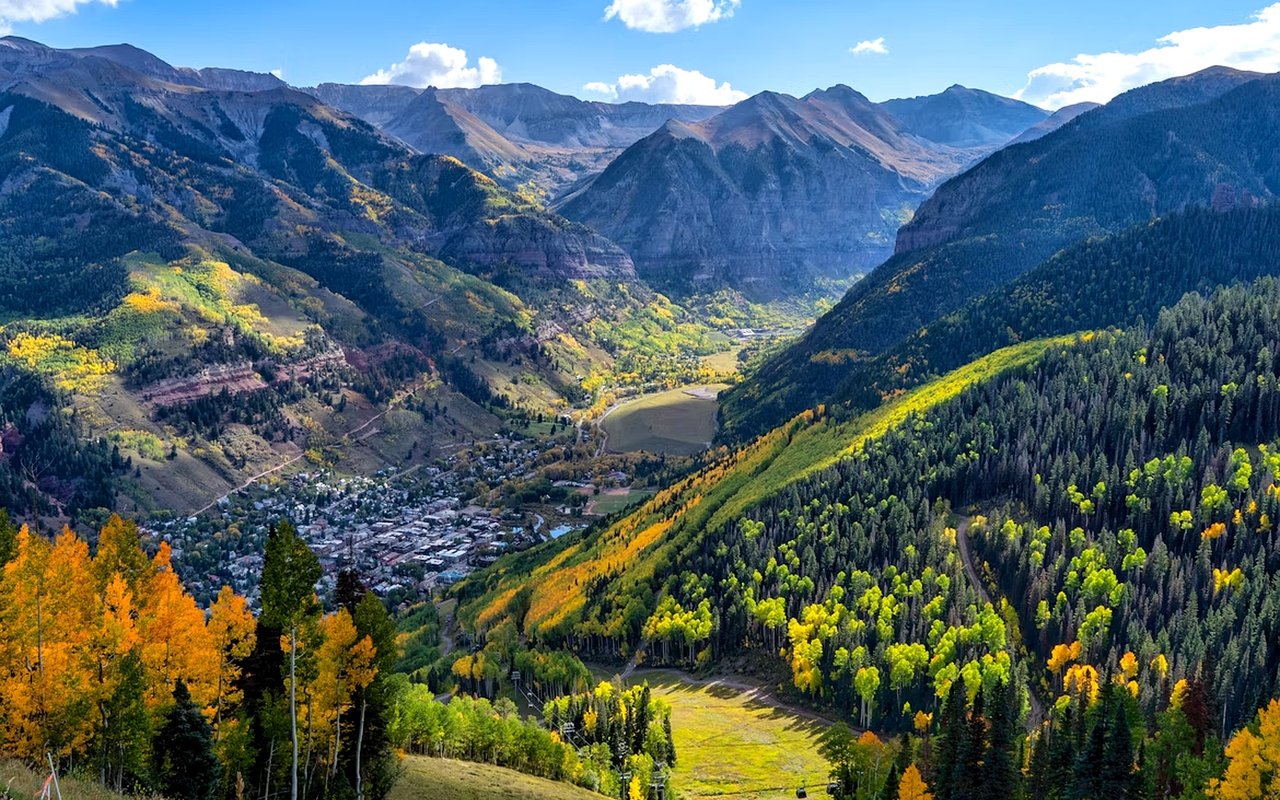
Comparing Mountain Village vs Telluride Real Estate for Luxury Buyers.
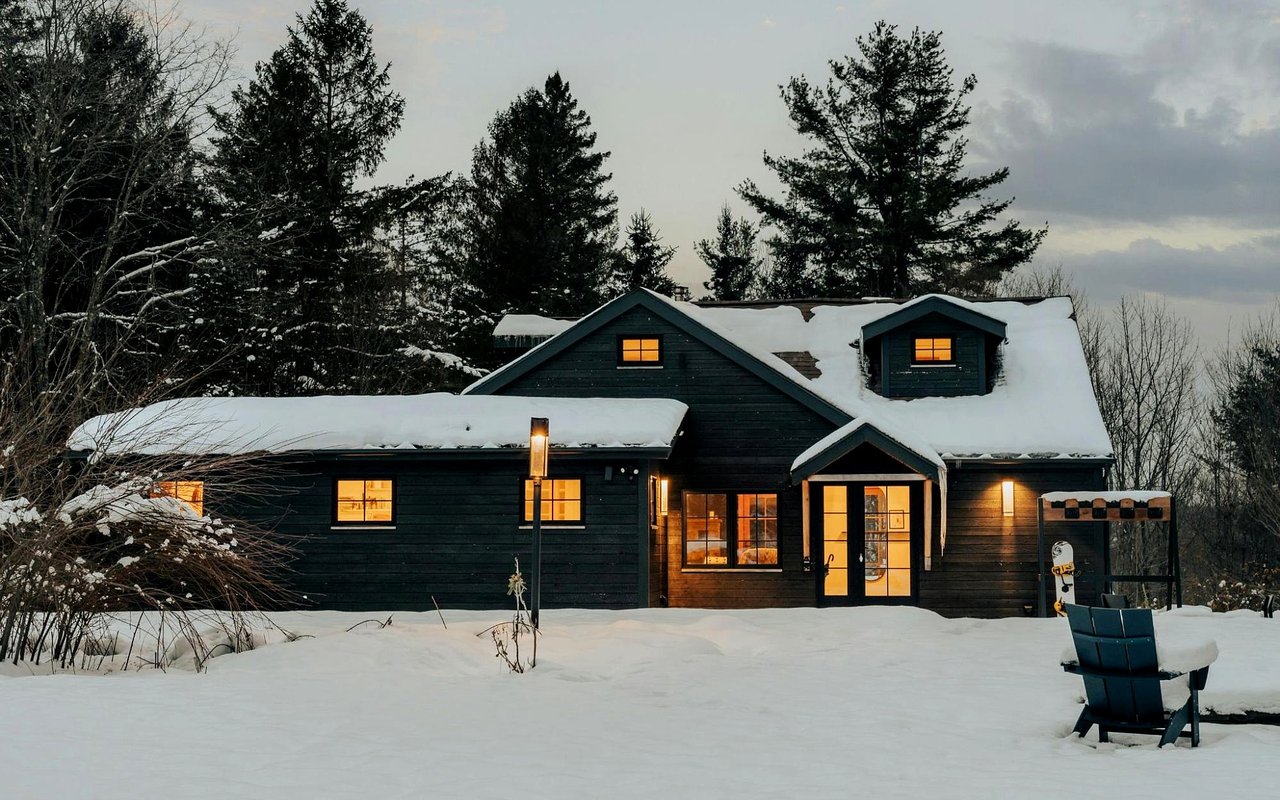
What to Know About Mountain Village, CO, Real Estate.

A Local's Look at Bridal Veil Falls and Other Telluride Waterfalls.

What to Know Before You Try the Telluride Via Ferrata.
The JW Group has one goal – helping buyers and sellers close deals. We work as a team so our clients receive the best possible knowledge and advice to get deals done.