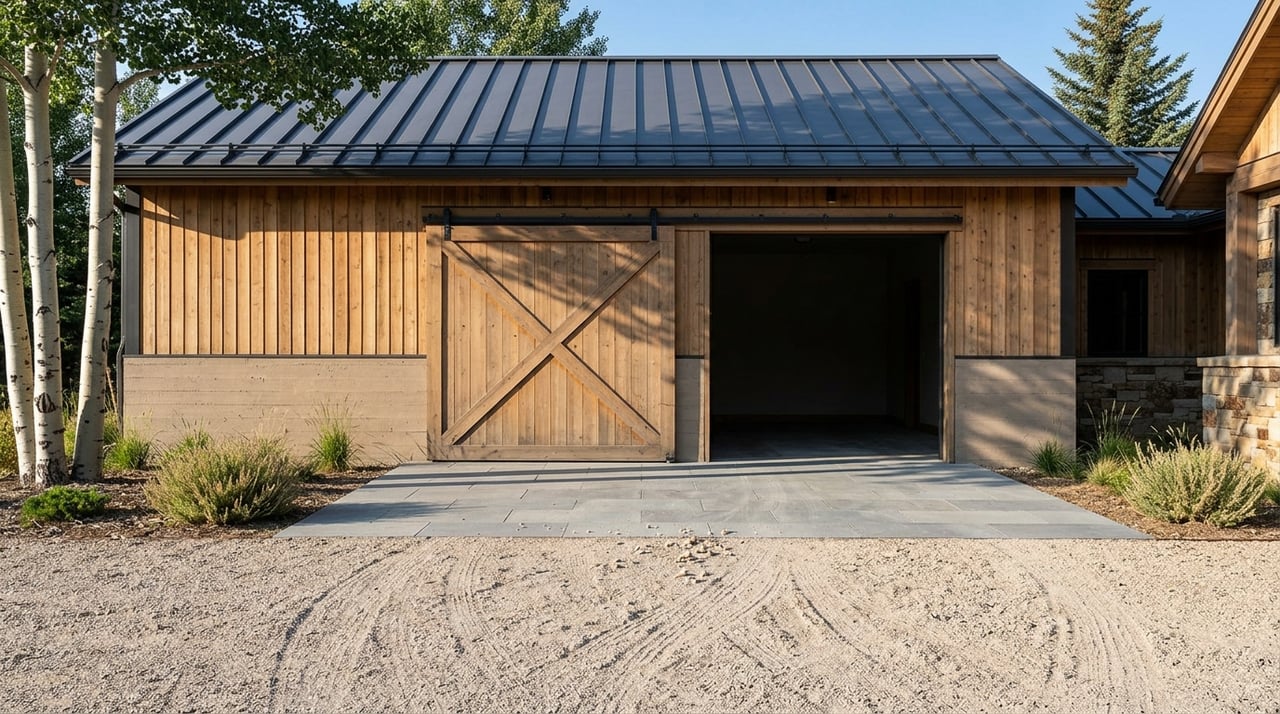
Owning A Mountain Ranch Retreat On Wilson Mesa
If your idea of a mountain retreat starts with acreage, quiet, and big San Juan views, Wilson Mesa deserves a closer look. This is not the kind of place you choose for convenience-first living. It is where you go when you want land to shape the experience, whether that means a private ranch setting, room for horses, or a long-term legacy property near Telluride. Let’s dive in.
Wilson Mesa sits about 10 miles west of Telluride in a high-country setting framed by the San Juan Mountains, including Wilson Peak and Mount Wilson. The area is known for wildflowers, fall color, and wildlife, which helps explain why it resonates with buyers looking for a true mountain retreat.
From a planning standpoint, Wilson Mesa is also distinct from nearby down-valley communities. San Miguel County groups Wilson Mesa with other mesa areas, while Placerville and nearby settlements are categorized separately as part of the Down Valley area. That matters because Wilson Mesa reads more as a mesa-ranch landscape than a corridor of homes along the highway.
For many buyers, that difference is the point. You are not simply buying a home site. You are buying a setting that feels more private, more land-oriented, and more connected to the natural character of the region.
A big reason Wilson Mesa appeals to ranch and retreat buyers is its zoning structure. The Official East Wilson Mesa Zoning District is covered by the Rangeland Grazing, or RG, zone district, which is intended for livestock grazing and compatible uses.
In practical terms, the county allows a single-family residence by right on parcels of at least 35 acres. The district also allows grazing operations with one residence, outbuildings, corrals, and accessory buildings and uses. That framework supports a very different ownership model than a higher-density residential area.
For larger conserved parcels of 320 acres or more that are protected by a permanent conservation easement or similar preservation instrument, the code also allows certain special uses, including sporting and scenic or event-oriented uses, subject to review and the terms of the easement. For the right buyer, that can open up a broader conversation about how a legacy property may function over time.
The larger takeaway is simple: Wilson Mesa is designed around land, not suburban density. If you are looking for acreage, a ranch compound, or an equestrian-capable retreat, that zoning profile is part of what makes the mesa so compelling.
Buying on Wilson Mesa often means embracing rural mountain infrastructure. That can be a major draw, but it also means your due diligence needs to be more detailed than it would be for an in-town property.
San Miguel County requires a Development Permit for a new residence. That permit package covers Planning, Building, onsite wastewater treatment systems, and Road & Bridge. If a parcel does not already have driveway access, you will also need an access permit, and any proposed access to a county road requires a Development Permit as well.
The county also notes that a county-issued address is necessary so emergency services and delivery services can find the property and to establish utility service. On a rural property, legal access and address assignment are not minor items. They are core parts of the ownership picture.
Many households in the county rely on private wells for water and onsite wastewater treatment systems for sanitation. Well permits are handled through the Colorado Division of Water Resources, while the county administers septic permits and records through its OWTS program. If you are comparing parcels, these systems should be evaluated carefully, especially if your plans include a future build or expansion.
A mountain ranch retreat can be incredibly rewarding, but the wrong assumptions can slow a project or change your budget. Before you move forward, it helps to confirm a few basics early.
One detail worth highlighting is road access. San Miguel County’s zoning map specifically warns that the presence of a road feature on the map does not establish public access. On Wilson Mesa, access should always be confirmed parcel by parcel.
Mountain ownership today also means paying attention to wildfire resilience. San Miguel County adopted the Colorado Wildfire Resiliency Code on April 1, 2026, with enforcement beginning July 1, 2026.
If you plan to build, remodel, or significantly improve a property, that code may influence design choices, material selection, and timelines. County inspection schedules also matter. The county currently inspects Wilson Mesa and Placerville-area properties on Tuesdays and Thursdays, which can affect planning during active construction.
For buyers considering land or a custom-home path, this is where experienced local guidance becomes especially valuable. Understanding the parcel is only one part of the process. Understanding how your vision fits county procedures is just as important.
Privacy is a major draw on Wilson Mesa, but that does not mean you are cut off from outdoor access. The Wilson Mesa Trail #421 begins at the Wilson Mesa Trailhead on County Road 63J and ends at the Woods Lakes Trailhead on Forest Service Road 618.
The Forest Service describes it as a favorite mountain-bike and motorcycle route with about 800 feet of elevation change, along with rivers, waterfalls, wildflowers, and aspen forest. County trail information also notes nearby network connections, including the Coal Chutes Loop and broader off-highway hiking and biking links such as the Galloping Goose corridor.
That combination is part of Wilson Mesa’s appeal. You can have room to breathe at home while still enjoying meaningful access to public recreation nearby.
If you are exploring the broader Telluride and Placerville area, it helps to understand what Wilson Mesa is and what it is not. Compared with Down Valley and Placerville, Wilson Mesa is more rural and less amenity-dense.
Down Valley Park, located on Highway 145 between Fall Creek Road and Placerville, includes picnic shelters, a playground, restrooms, and water. Placerville Park and the Placerville Schoolhouse also provide community event space. Those features support a different kind of day-to-day experience than what you typically find on the mesa.
Compared with Wrights Mesa and Norwood, Wilson Mesa is also more specifically aligned with ranch-style ownership. San Miguel County planning materials for Wrights Mesa direct town-level residential growth toward areas with sewer, water, parks, and services, while East Wilson Mesa is explicitly a rangeland-grazing district.
That means Wilson Mesa is best suited to buyers who value acreage, views, and a retreat-oriented use pattern. If you want a more service-centered setting, other nearby areas may fit better. If you want a property where the land itself is the lifestyle, Wilson Mesa rises quickly to the top of the list.
Wilson Mesa tends to make the most sense for a buyer who wants space, privacy, and flexibility within a rural ownership framework. In many cases, that includes second-home buyers, legacy-property buyers, equestrian-minded owners, and people considering a long-term custom home or small ranch setup.
It is also a strong fit if you are comfortable with the realities of mountain ownership. That may include private well systems, septic review, driveway permitting, and wildfire-related building standards. For some buyers, those factors feel like a burden. For the right buyer, they are simply part of owning something rare.
In a market where truly distinctive land can be hard to replace, Wilson Mesa offers a version of the Telluride lifestyle that is less about density and more about breathing room. That is exactly why it continues to attract buyers looking beyond a typical second home.
Whether you are evaluating raw land, an existing ranch property, or a future retreat with room to grow, local knowledge matters on every step from access and zoning to build potential and long-term use. If you are considering Wilson Mesa, JW Group can help you evaluate the opportunity with the detail and local perspective this kind of purchase deserves.

The JW Group has one goal – helping buyers and sellers close deals. We work as a team so our clients receive the best possible knowledge and advice to get deals done.