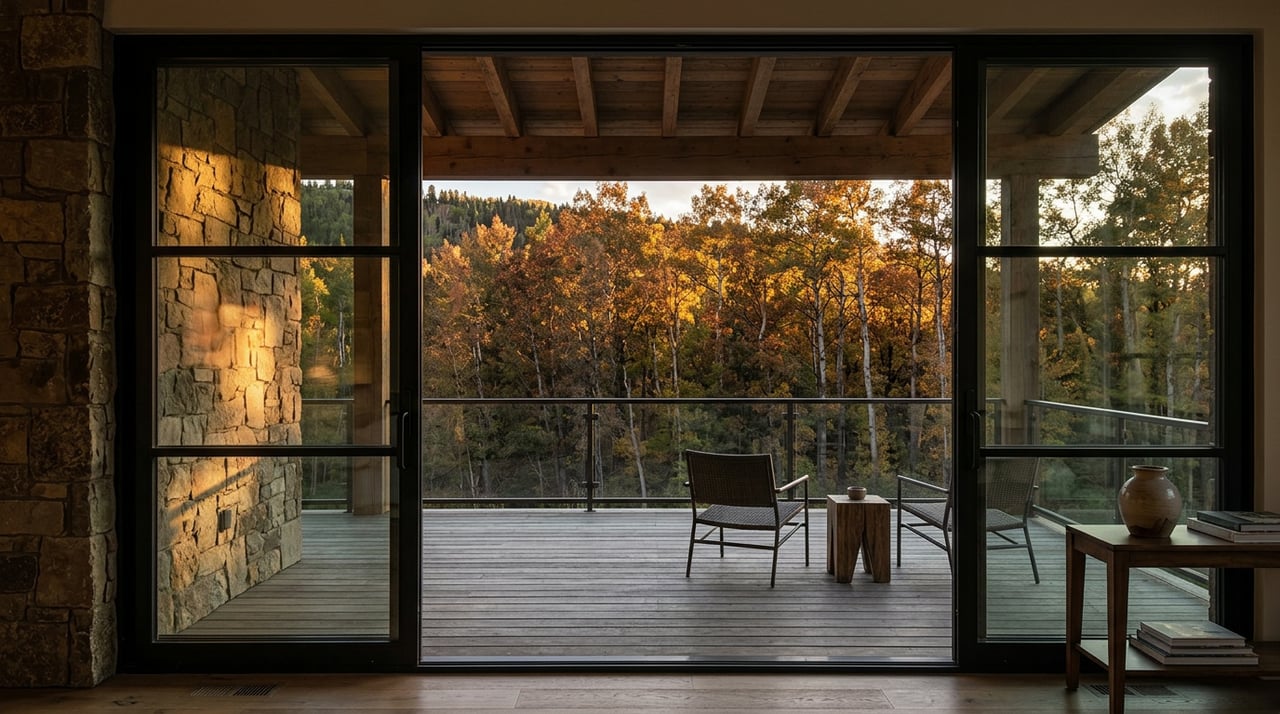
The Fall Rule Every East Valley Local Knows Is Breaking This Year
Walk the Bridal Veil Trail out of town this week and you will pass the same marker locals have used for years: the moment the aspens along Ingram Creek start to turn is roughly seven days behind the exposed slopes above Black Bear Pass. Wait a week after the high country goes gold, the thinking goes, and the canyon floor will be right behind it. It is the kind of local timing trick that never makes it into a visitor guide because it only works if you already know the canyon's rhythm.
This year that week of buffer is the thing to worry about, not the thing to rely on.
The box canyon east of town holds shade and moisture longer than the open passes above it. Aspens near Bridal Veil Creek and along the lower stretch of the Telluride Mountain Club's Bridal Veil Trail sit lower in elevation and get less direct afternoon sun than the slopes near Black Bear Pass, so they hang onto green longer while the high country is already turning. That lag is the whole basis for the local habit of watching the passes first and walking the canyon second.
Colorado's mountain color usually moves the way a wave rolls downhill, starting high and working down in elevation bands over a couple of weeks. A dry, hot summer changes the speed of that wave without changing its direction. Drought-stressed aspens turn earlier because a tree without enough water cannot keep producing chlorophyll at a normal rate, so it skips the slow gradient through gold and orange and goes straight to a duller yellow-brown, then drops its leaves days to weeks sooner than it would in a wet year. That is not a subtle shift in timing. It is a shortening of the whole window, high country and canyon floor together.
Two separate forecasts this month put a number on how uncertain even the experts are about where that window lands. One count puts the San Juan Mountains, Telluride included, in full color from September 18 through 29. A different meteorologist's forecast, cited by outlets covering the same drought, puts the same region's peak from September 22 through October 6. In an ordinary year that eight-day spread between forecasts would just mean pack a jacket either way. This year, with the whole season compressed and leaves dropping faster once they turn, that gap is close to the entire usable window. Show up on the early edge of one forecast and the late edge of the other and you may be looking at bare branches instead of color.
A trail report posted September 7 already shows the canyon mid-transition, with hikers who stopped near the first falls to watch a family of elk mentioning leaves just starting to change. That is roughly the marker locals use to start the countdown, and this year the countdown is shorter than usual.
Most autumns, the East Valley gives locals two separate windows to plan around. The Telluride Via Ferrata, built into the cliff below Ajax Peak by climber Chuck Kroger and maintained by the Telluride Mountain Club since, runs its best season from spring through fall. In a normal year that means the exposed climbing route and the canyon's peak color occupy different stretches of the calendar. You do the via ferrata in the summer heat, then come back in late September once the crowds thin and the aspens turn, and the two experiences never really compete for the same Saturday.
This year the compression works against that separation. If the whole season is running a week or two ahead of a typical year, the last comfortable via ferrata weekends and the canyon's brief color window start to overlap instead of sitting apart. Anyone weighing a via ferrata trip against a color hike this month is choosing between two things that used to take turns, not picking whichever weekend felt right.
The road up to Bridal Veil Falls adds its own version of the same choice. Hikers can take the Telluride Mountain Club's dedicated trail, a 1.2-mile single-track built through an agreement between the club, Idarado Mining Company, San Miguel County, and the Town of Telluride, or they can walk the wider Bridal Veil Falls Road that shares space with high-clearance vehicles headed toward Black Bear Pass. The trail is the quieter option and the better one for taking in color at eye level in the aspens. The road gives up some of that intimacy for open views back down the canyon toward town, which matters more once the leaves are past peak on the valley floor but still holding on the higher, more exposed sections you can see from the road. Which one makes sense this year depends on where the color actually is on a given weekend, not on habit.
Anyone who has looked up from downtown Telluride toward the east end of the canyon has probably wondered about the building perched on the cliff above Bridal Veil Falls. That is the Smuggler-Union Hydroelectric Power Plant, built in 1907 to power the Smuggler-Union Mining Company's mills, and it has sat on the National Register of Historic Places since 1979. It is not open to visitors and it is easy to miss if you are only looking at the falls themselves, but it is one of the reasons a walk to the base of Bridal Veil is worth the trip even on a week when the color is not fully in. The canyon holds more than one kind of history worth walking toward, and the power plant's more than a century on that cliff is a reminder that this stretch of the valley has always rewarded people who look closely rather than just look up.
If you are deciding when to make the walk this year, a few local facts are worth weighing together rather than checking off one at a time.
None of this is a reason to skip the canyon this fall. It is a reason to treat the old week-behind rule as a starting guess rather than a fixed schedule, and to go twice in September instead of once, because this is the first year in a while where waiting for the usual signal might mean showing up after the show has already moved on.
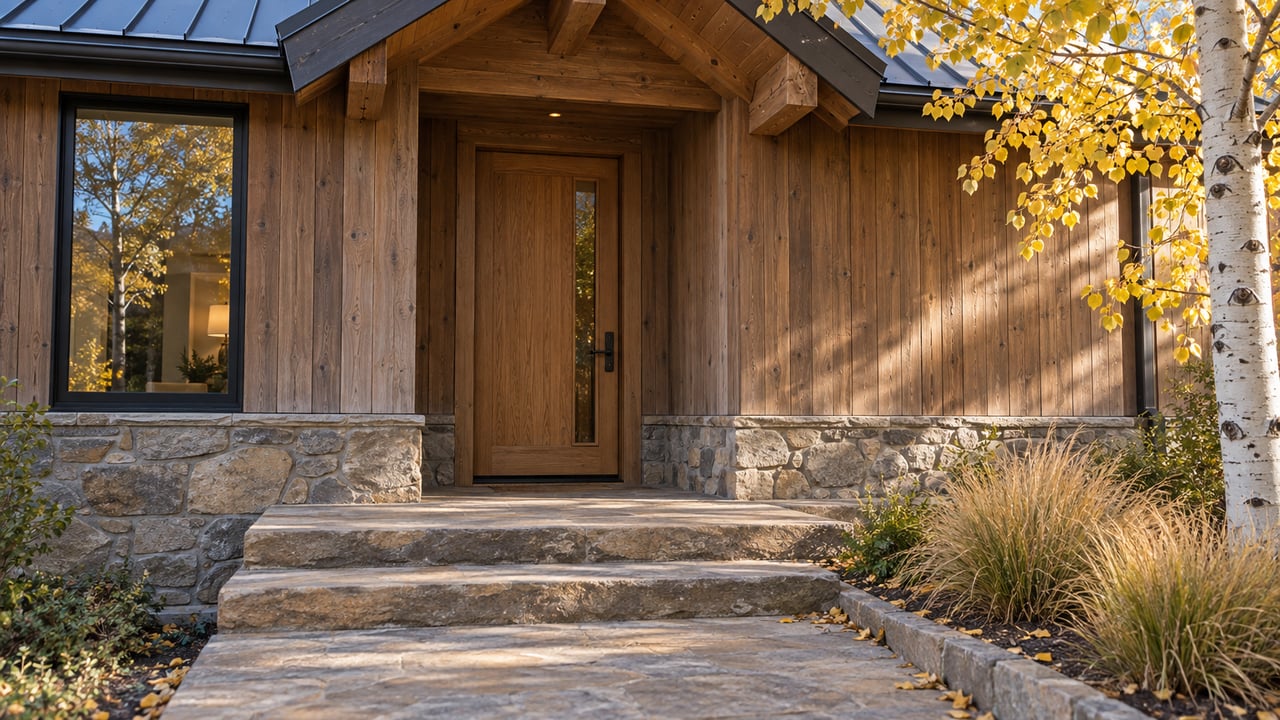
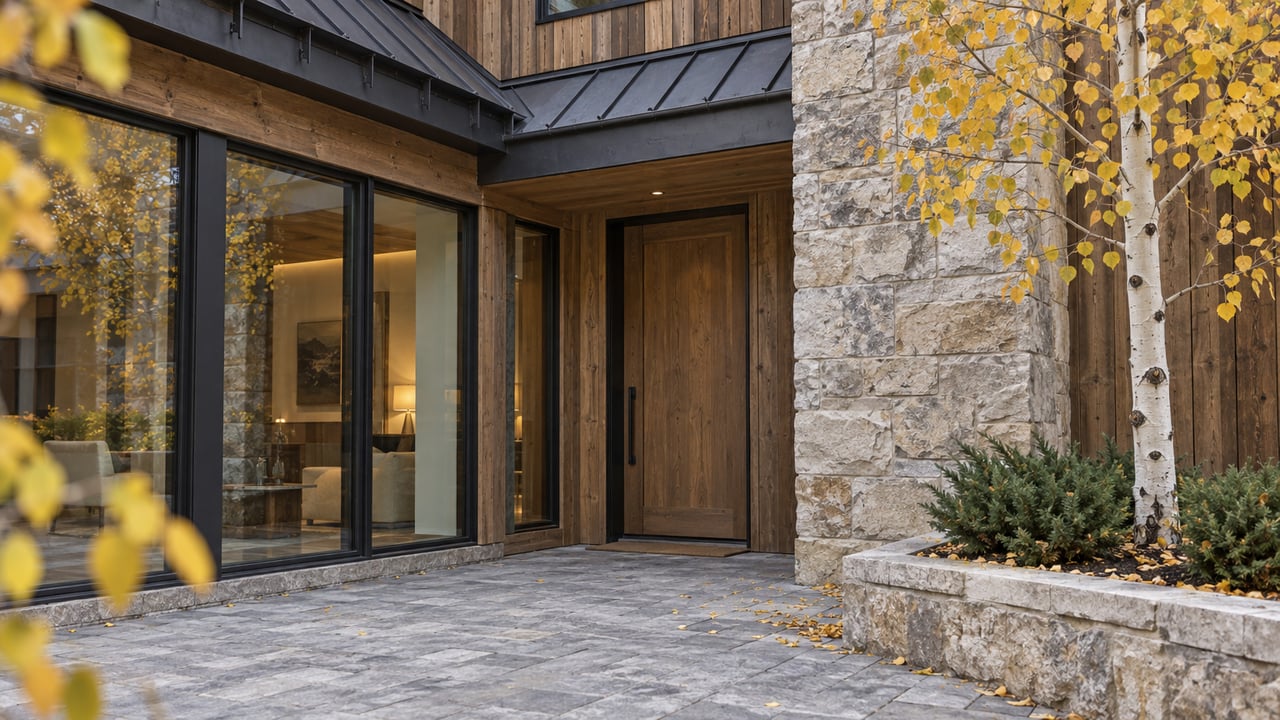
If watching a season like this makes you think more seriously about a place in the East Valley or elsewhere in the Telluride region, the team at JW Group spends enough time in this canyon to know which weeks are worth planning around and which properties actually deliver that view. Reach out through their Home Search when you are ready to talk specifics.
A Practical Guide to Wildfire Mitigation for Colorado Homes.
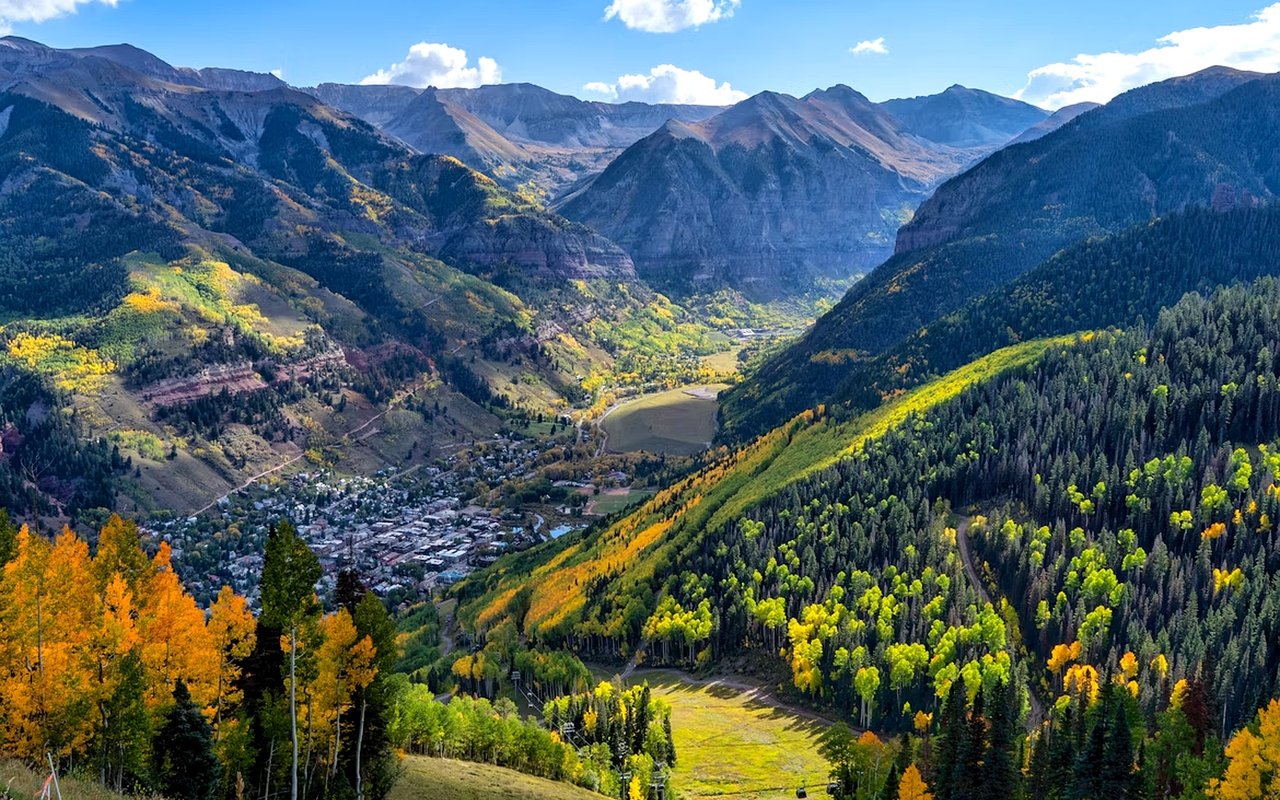
Comparing Mountain Village vs Telluride Real Estate for Luxury Buyers.
What to Know About Mountain Village, CO, Real Estate.
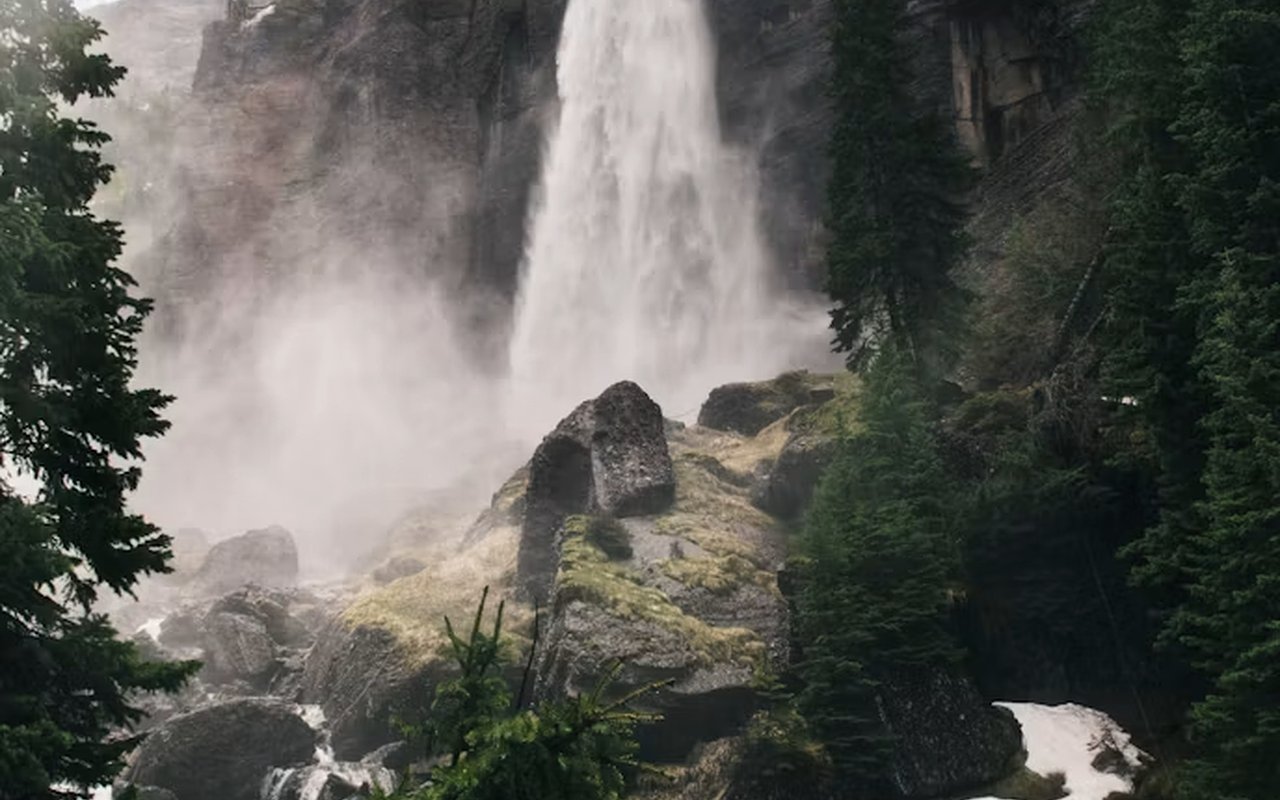
A Local's Look at Bridal Veil Falls and Other Telluride Waterfalls.
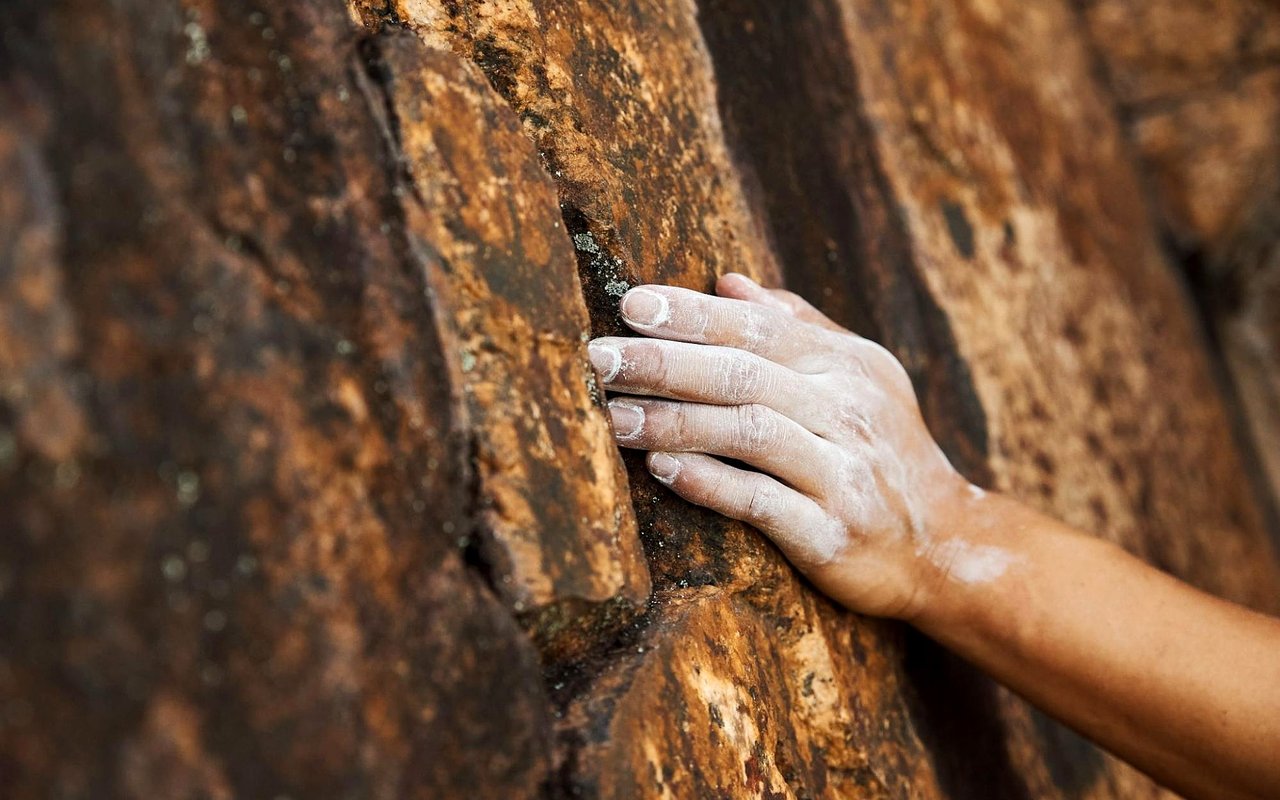
What to Know Before You Try the Telluride Via Ferrata.
The JW Group has one goal – helping buyers and sellers close deals. We work as a team so our clients receive the best possible knowledge and advice to get deals done.