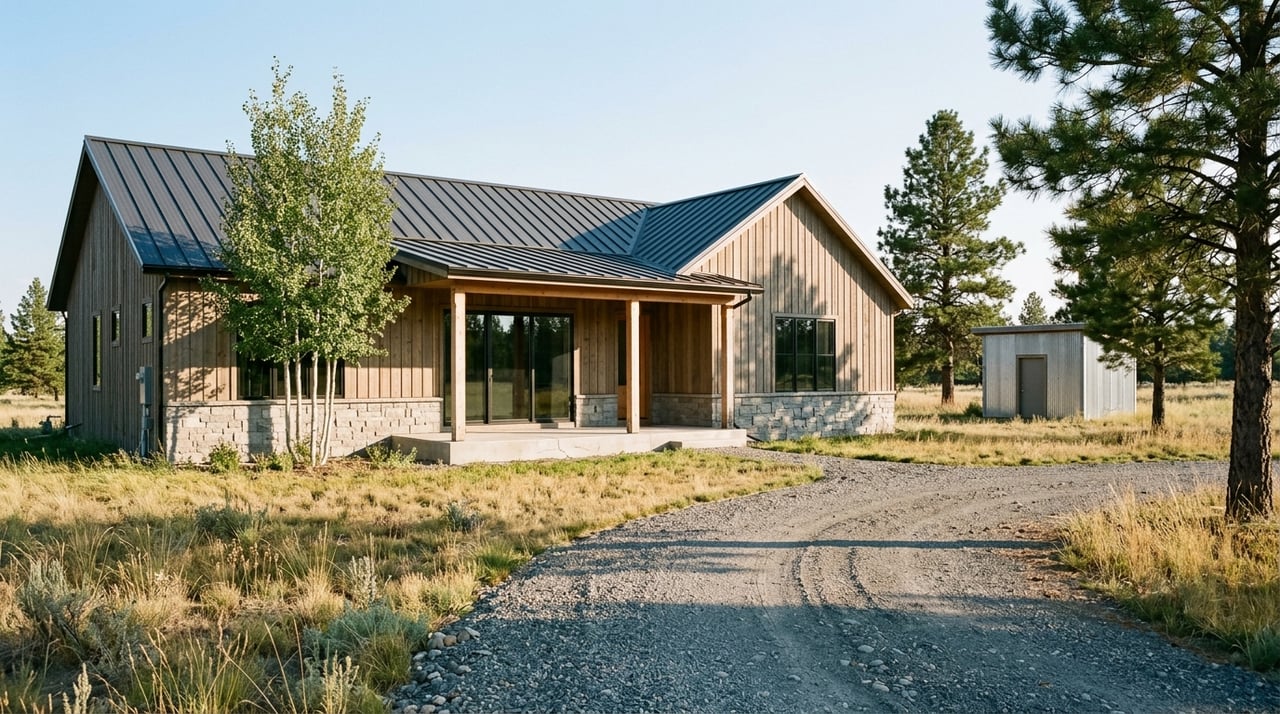
Norwood As A Basecamp For Homes And Land
If you want room to breathe without losing connection to the Telluride region, Norwood deserves a closer look. For many buyers, the challenge is finding a property that offers land, quiet, and long-term flexibility without paying resort-core pricing for features they may not use every day. In this guide, you’ll learn why Norwood can work so well as a basecamp for homes and land, what daily life looks like, and how to think about the market through a Telluride-area lens. Let’s dive in.
Norwood sits on Wright’s Mesa in western San Miguel County, about 33 miles from Telluride and 66 miles from Montrose. County planning documents describe the area as remote, scenic, and appealing for its rural atmosphere, public-lands access, and relative affordability. The incorporated town covers nearly 170 acres of mostly developed land, which helps explain its small-scale feel.
That scale matters when you are comparing Norwood to higher-intensity mountain markets. San Miguel County’s 2023 hazard plan lists 535 residents in 2020 and 290 structures in 2022. In practical terms, Norwood is not trying to be a resort center. It works better as a quieter basecamp within the broader Telluride orbit.
Norwood also identifies as a high-desert town at 7,000 feet and became an International Dark Sky Community in 2019. That combination gives the area a distinct character. You get open views, wide skies, and a sense of space that many buyers are actively seeking.
For the right buyer, Norwood offers a different kind of value than Telluride or Mountain Village. Instead of front-door resort access, you get a rural setting with room for a home, a future build, or a larger land play. If your goal is flexibility, privacy, and a more grounded pace, that can be a smart trade.
County planning context supports that idea. Wright’s Mesa is framed as remote but appealing, with a land-use pattern that still leaves much of the area lightly built. That makes Norwood especially relevant if you are thinking beyond a single ski-season use case and more toward a long-horizon ownership strategy.
In simple terms, Norwood can make sense as:
A small town still needs a functional core, and Norwood has one. The Wright’s Mesa Master Plan identifies Grand Avenue as the town’s primary commercial area and the commercial center for the larger mesa. Planning efforts there emphasize pedestrian-oriented infill and preserving downtown character.
That matters because day-to-day livability often comes down to the basics. Local sources point to a support network that includes businesses and restaurants, a library, a medical center, the fire protection district, the park and recreation district, and other community institutions. For buyers considering full-time or part-time use, that creates a more workable ownership experience.
Norwood’s appeal is not density or polished resort convenience. It is a practical town core paired with a rural setting. If you want a place that feels useful, lived-in, and connected to the surrounding mesa, Norwood checks that box.
Norwood’s roots are agricultural, and that history still shapes the area today. County documents note that farming and ranching became viable on Wright’s Mesa by 1889. Outside town, the land-use framework continues to allow agriculture, ranching, tourism and recreation-related uses, and very low-density residential development.
That background helps explain why Norwood often feels different from more compressed mountain communities. The mesa remains tied to working land and a rural landscape, not just second-home demand. The chamber also describes the area as a long-standing farming and ranching community where local food and goods play an important role in day-to-day life.
For buyers, this can translate into a stronger sense of place. You are not just buying square footage. You are buying into a landscape with agricultural continuity, open views, and a land-use pattern that supports low-density living.
Public lands are a major part of Norwood’s identity. County planning documents state that Wright’s Mesa is fringed by federal land along Naturita Creek, Beaver Creek, and the San Miguel River canyon, with tens of thousands of acres of public land surrounding the mesa. That kind of access is a big reason many buyers start looking here.
The Uncompahgre Plateau recreation area includes lands in the Norwood Ranger District and supports activities such as hiking, mountain biking, horseback riding, camping, OHV use, and fishing. The Forest Service also maintains a Norwood Ranger District office in town. A few miles southwest of Norwood, the BLM Burn Canyon Trail System offers hiking, biking, and horse trails, with seasonal restrictions on motorized travel.
If your lifestyle centers on time outside, Norwood can be very compelling. It is often a better fit for buyers who prioritize trails, riding, scenery, and open land over immediate ski-village convenience. That is a different value proposition, but for many people it is exactly the point.
Norwood’s market is notably land-heavy. Current listing snapshots show 22 single-family homes and 39 land listings on Zillow, while Realtor.com also shows active farms-and-ranches listings. Even without reading too much into any one portal, the mix points to a market where land is a major part of the story.
The property types reinforce that pattern. Inventory includes compact in-town lots, parcels in the 35- to 40-acre range, and much larger acreage offerings. Listings commonly highlight features such as pasture, views, cabins, workshops, and room for RVs or equipment.
County planning documents help explain why the market looks this way. On Wright’s Mesa, 70% of private parcels are 35 acres or smaller, while 35- to 150-acre tracts make up a large share of the land base. The same plan says about 45% of private land is vacant, with another 5,355 acres partially developed or carrying development potential.
Inside town, uses are more compact around Grand Avenue. Outside town, the Agriculture/Rural Residential category allows low-density residential use alongside agriculture and ranching. That split gives buyers two very different paths to consider.
If you want easier day-to-day access to the town core, an in-town home or lot may make more sense. If you want elbow room, a workshop, future building flexibility, or a larger recreational footprint, land outside town may align better with your goals.
Here is a simple way to think about it:
| Option | Often Best For | Key Consideration |
|---|---|---|
| In-town home or lot | Buyers who want a simpler setup near services | Smaller footprint, more compact setting |
| Rural acreage | Buyers seeking privacy, space, or future plans | Lower density and more land to manage |
| Larger ranch-style parcel | Buyers focused on long-term lifestyle use | Property fit varies widely by parcel and improvements |
Pricing snapshots show why Norwood gets attention from value-focused buyers looking within the Telluride region. Zillow’s average home value estimate is about $466,185, while Realtor.com reports a median sale price around $649,000. In a small market, those figures are best viewed as directional rather than exact.
Even so, the broader takeaway is useful. Norwood tends to offer a different entry point than the resort core, especially when land is part of the equation. For buyers weighing price against acreage, privacy, and long-term optionality, that difference can be meaningful.
This does not mean every property is a bargain or that values move in a straight line. It means you should evaluate Norwood based on what it offers: more land-oriented inventory, a rural setting, and a distinct ownership experience within the greater Telluride market area.
Norwood is not the perfect answer for every buyer. If your top priority is immediate access to resort dining, ski lifts, and walkable core amenities, you may find stronger alignment elsewhere. But if your goal is a foothold in the Telluride area with more land and less intensity, Norwood can be a very smart option.
It often fits buyers who want:
This kind of purchase is often less about instant convenience and more about strategic fit. You may be buying for future use, family flexibility, seasonal enjoyment, or simply the chance to own land in a highly distinctive part of the region.
When you look at Norwood, start with your intended use. Are you searching for a move-in-ready home, a future build site, or a property that can serve as a rural retreat right away? Your answer will shape everything from parcel size to location preferences.
It also helps to compare Norwood with nearby options in the broader Telluride region. Some buyers discover they want resort proximity above all else. Others realize they would rather have open space, dark skies, and a property that gives them more flexibility over time.
A thoughtful search here is usually about matching lifestyle to land. That is where local market guidance becomes especially valuable, particularly if you are weighing homes, vacant parcels, ranch-style properties, or development-minded opportunities across multiple submarkets.
If you are considering Norwood as part of a broader Telluride-area ownership plan, JW Group can help you compare the options with clear local insight and a practical, long-term perspective.
A Practical Guide to Wildfire Mitigation for Colorado Homes.
Comparing Mountain Village vs Telluride Real Estate for Luxury Buyers.
What to Know About Mountain Village, CO, Real Estate.
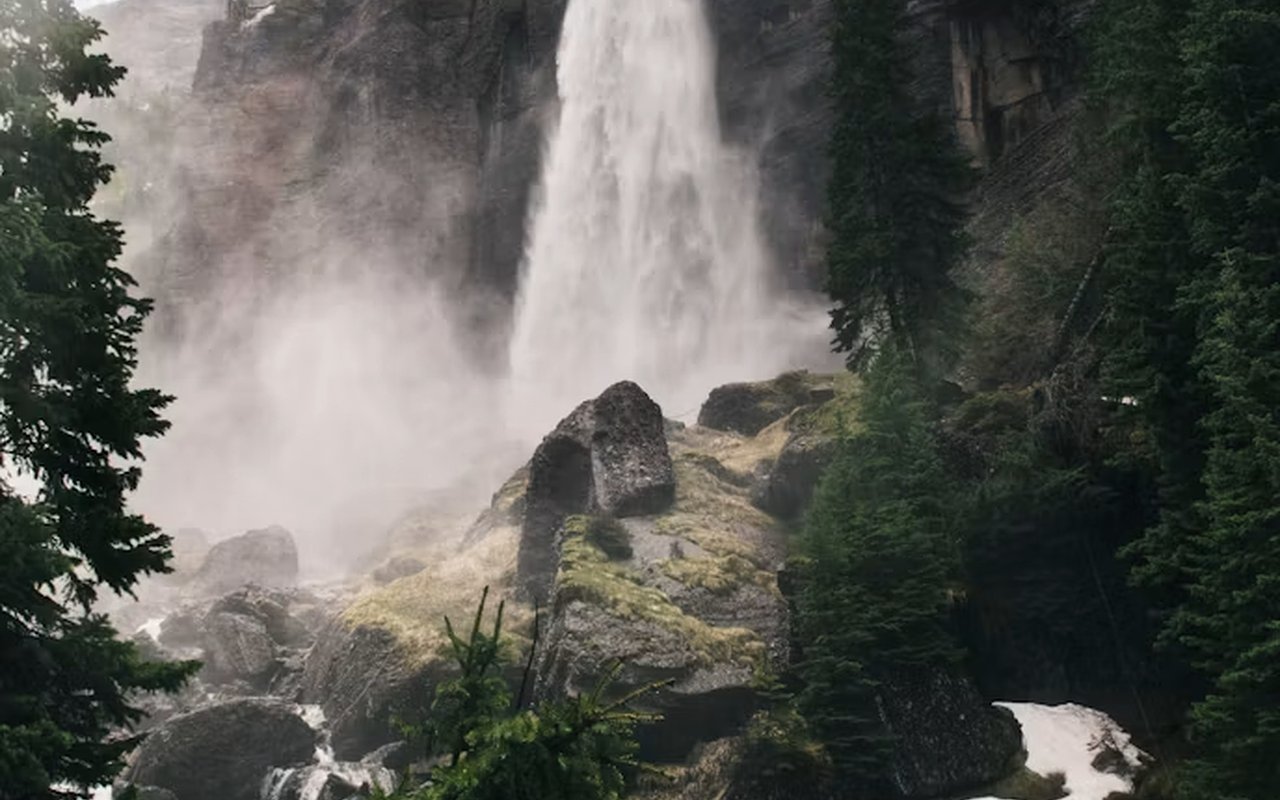
A Local's Look at Bridal Veil Falls and Other Telluride Waterfalls.

What to Know Before You Try the Telluride Via Ferrata.
The JW Group has one goal – helping buyers and sellers close deals. We work as a team so our clients receive the best possible knowledge and advice to get deals done.