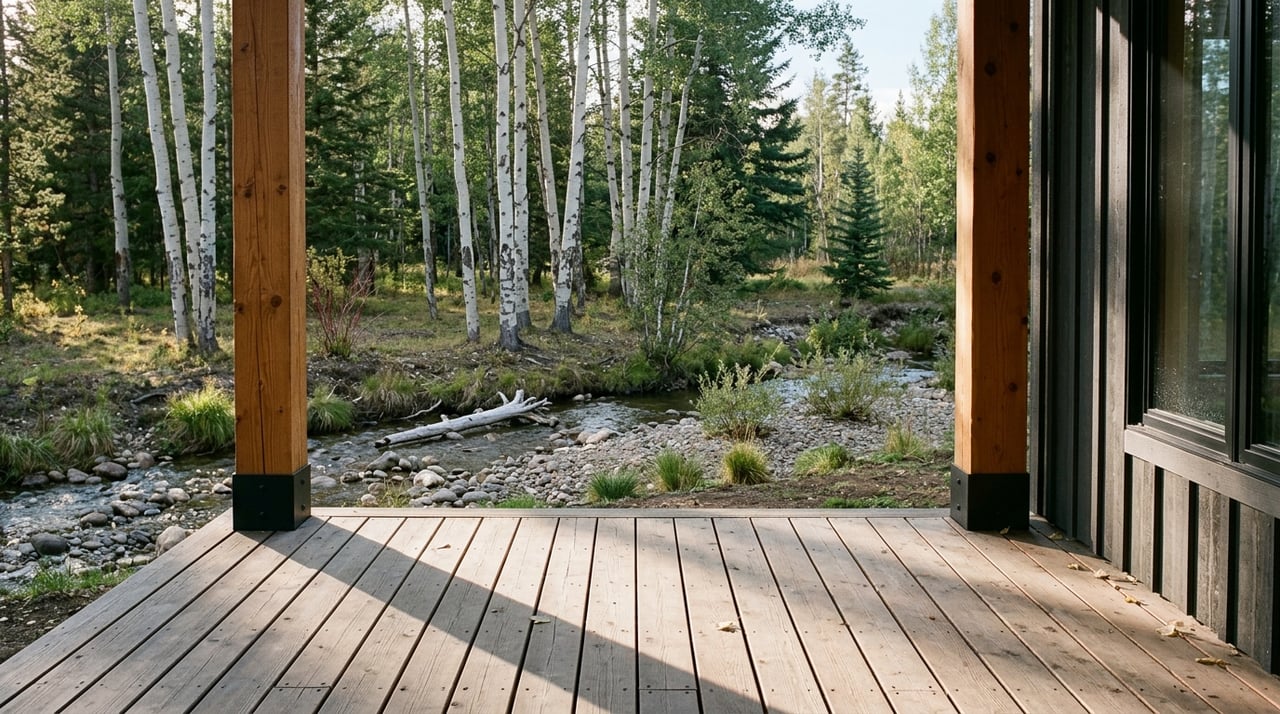
Choosing Placerville Or Sawpit For A Western Slope Retreat
If you love the idea of a Western Slope retreat but want something outside the core Telluride market, Placerville and Sawpit deserve a close look. Both sit in the San Miguel Canyon along Highway 145 and offer a quieter down-valley setting with access to Telluride, the river corridor, and local trailheads. If you are deciding between the two, the right fit often comes down to commute, property type, and how much community infrastructure you want around you. Let’s dive in.
Placerville and Sawpit are both in the San Miguel Canyon and Down Valley corridor, a narrow mountain corridor that follows the San Miguel River between the Telluride region and the base of Norwood Hill. San Miguel County describes this area as steep and constrained, with development concentrated near the river. That setting is a big part of the appeal, but it also shapes how land, access, and building conditions work.
The two communities are similar in feel at a high level, but they are not identical. Placerville is an unincorporated community, and Census data identified 362 residents there in 2020. Sawpit is an incorporated town, and the county’s 2023 hazard plan cites 38 permanent residents based on the 2020 Census.
For many buyers, the draw is simple: you can stay connected to Telluride while stepping into a more relaxed river-canyon setting. San Miguel County notes that the canyon has historically provided more affordable year-round housing separate from the Telluride resort community. That does not mean every property is inexpensive, but it does help explain why buyers often search here for a different value equation.
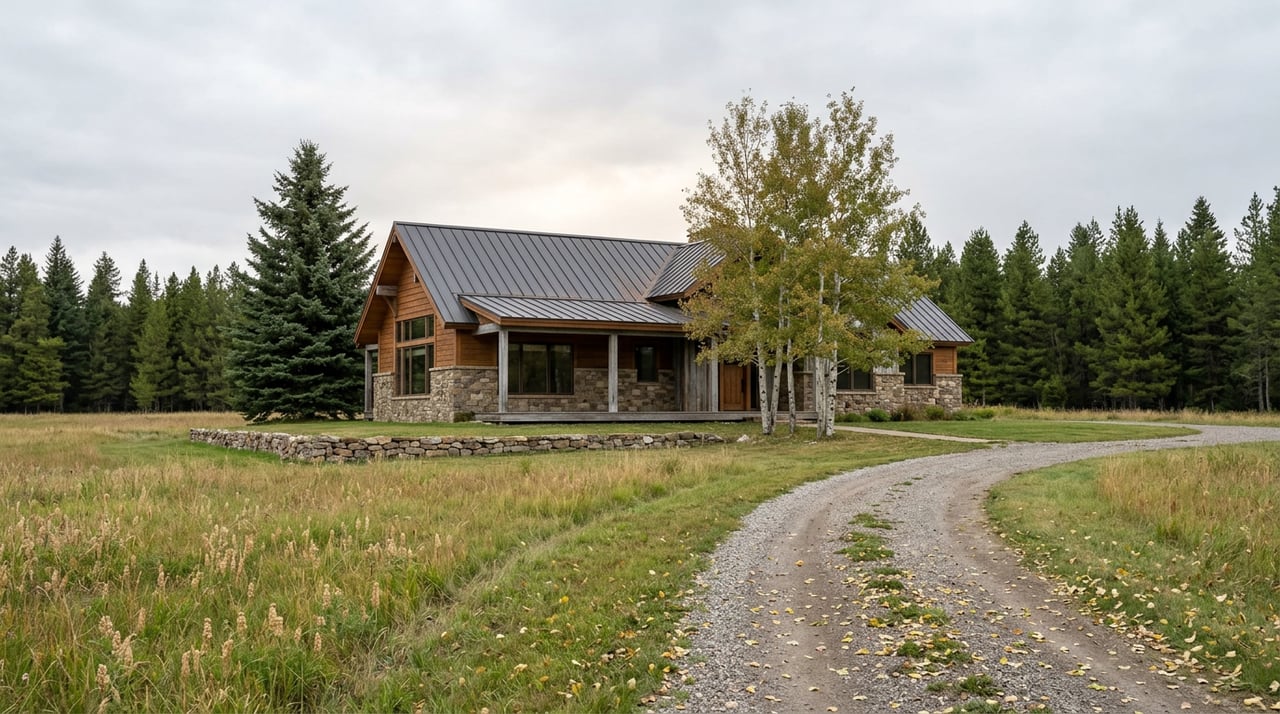
You may also find a broader mix of property patterns than you would expect. County planning notes a range that can include older and smaller homesites, cabin-scale parcels, and larger acreage holdings depending on the specific property. If you want a retreat with more privacy, more land, or a less resort-centered feel, this corridor can be compelling.
Route-planner estimates put Placerville about 15.8 road miles from Telluride, with a drive of roughly 26 minutes. That makes it realistic for owners who want regular access to town, skiing, dining, or events while living a bit farther down valley. It can feel like a good middle ground if you want some separation without feeling too remote.
Sawpit is closer, at about 12.1 road miles and roughly 20 minutes by car to Telluride. If your priority is the shortest practical commute in this part of the corridor, Sawpit has the edge. For second-home owners who plan to go in and out of Telluride often, that difference can matter more than it looks on paper.
San Miguel County says SMART buses serve both Placerville and Sawpit, and direct buses to the Telluride Court House run five times a day from both communities. That gives you another option beyond driving, especially for routine trips. It is a useful feature for owners who want flexibility.
At the same time, this is still a mountain road corridor. CDOT completed work on CO 145 between Telluride and Placerville that included drainage, guardrail, shoulder, and Sawpit turning improvements, which is a reminder that road maintenance is part of everyday life here.
This is one of the biggest reasons to work with a hyperlocal team when comparing Placerville and Sawpit. In the canyon, the lifestyle appeal and the physical constraints go hand in hand. A property that looks simple online may require much deeper due diligence.
San Miguel County says most homes in the canyon lie within or near the floodplain and the county-designated 100-foot wetland buffer. The county also notes that wildlife habitat and migration routes commonly cross the canyon. Those factors can influence building, expansion plans, and long-term ownership considerations.
County emergency guidance also says mudslides often occur during monsoon season and can close the road for hours. Flooding remains a threat in the San Miguel River floodplain, and eastern county slopes are subject to landslides and rockfall. If you are buying for peace and convenience, it is worth understanding how mountain conditions can affect access and property planning.
San Miguel County says central water supply and sewage disposal facilities are not available in the canyon. Many residents rely on onsite wastewater treatment systems. For older homes and rural parcels, that means you should verify septic and well records early rather than assume the property functions like a typical subdivision home.
The county maintains record-request resources for septic and well documentation, which can be an important part of your due diligence. This matters whether you are buying a modest cabin, a land parcel, or a larger retreat property. Utility assumptions can change quickly from one listing to the next.
County planning also says many canyon residences sit on substandard-size lots in the Forestry, Agriculture and Open zone district, where the minimum lot size is 35 acres and most commercial uses are prohibited. That tells you two things. First, lot history matters. Second, what exists today may not translate into simple future changes.
If you are considering remodel, expansion, or redevelopment potential, you will want a property-specific review. This is especially important for project-minded buyers who are comparing an older home with a vacant parcel or trying to balance immediate enjoyment with long-term plans.
Wildfire readiness is also part of owning in a steep, wooded setting. County emergency guidance recommends defensible space and home-hardening measures. For many buyers, this becomes part of the ownership checklist from day one.
Placerville tends to read as the more established community node in the canyon. The county points to the Placerville Schoolhouse, Down Valley Park, and a Front Street commercial core, and county planning encourages local service businesses there while aiming to keep Front Street functioning as a distinct town center.
If you want a retreat that feels connected to a small but identifiable community hub, Placerville may be the better fit. It offers a little more visible structure to daily life in the corridor. That can appeal to buyers who want down-valley character without the feeling of being tucked into the smallest possible footprint.
Placerville also has direct recreational touchpoints nearby. San Miguel County operates Down Valley Park near Placerville and maintains the Angell Lode trailhead on the east side of town. The county is also studying a Down Valley Connector Trail that would start at Down Valley Park and connect to the M59 beyond Sawpit.
Sawpit is much smaller and more self-contained. The county describes it as a small river town downstream from Telluride with a general store, restaurant, liquor store, and gas station, while also noting that residents rely on Telluride, Mountain Village, and nearby communities for jobs.
For some buyers, that is exactly the point. If you want a tiny river-town setting and the shortest drive back toward Telluride, Sawpit can be very appealing. It may fit you best if you value simplicity, a smaller community scale, and a location that feels tucked into the canyon.
Sawpit also benefits from proximity to the M59 River Trail access east of town. The M59 River Trail is a 4.3-mile non-motorized corridor, which adds to the recreation appeal for owners who want easy access to walking, running, or biking routes in the valley setting.
If you are narrowing the choice, it helps to think less about which town is “better” and more about which one matches your version of a retreat.
Placerville may suit you if you want:
Sawpit may suit you if you want:
A fair summary from the county planning context, population figures, and commute data is this: Placerville often fits buyers who want a more established down-valley base, while Sawpit can fit buyers looking for the smallest possible community footprint with easier Telluride access.
Before you move forward on either community, focus on property-specific details rather than broad assumptions. Two homes that sit only a few miles apart can come with very different constraints and opportunities.
Your checklist should include:
That kind of review is especially important in the San Miguel Canyon, where the terrain and infrastructure can shape both lifestyle and future property decisions.
For buyers seeking a Western Slope retreat, both Placerville and Sawpit offer a compelling alternative to a more resort-centered purchase. The best choice depends on whether you want a slightly more established community base or a smaller, quieter river-town setting closer to Telluride. If you want help comparing specific properties, land opportunities, or retreat-style homes in the down-valley market, JW Group can help you evaluate the details with local insight and a practical eye.
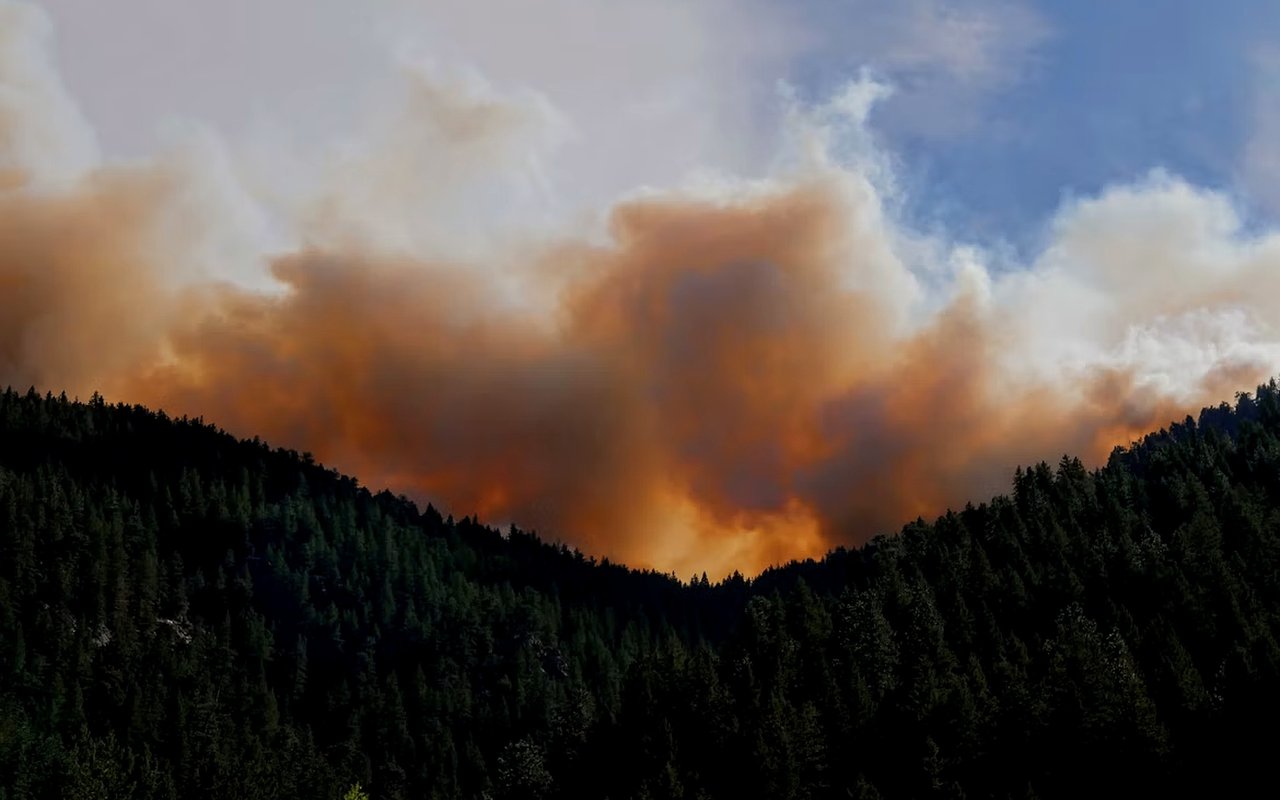
A Practical Guide to Wildfire Mitigation for Colorado Homes.
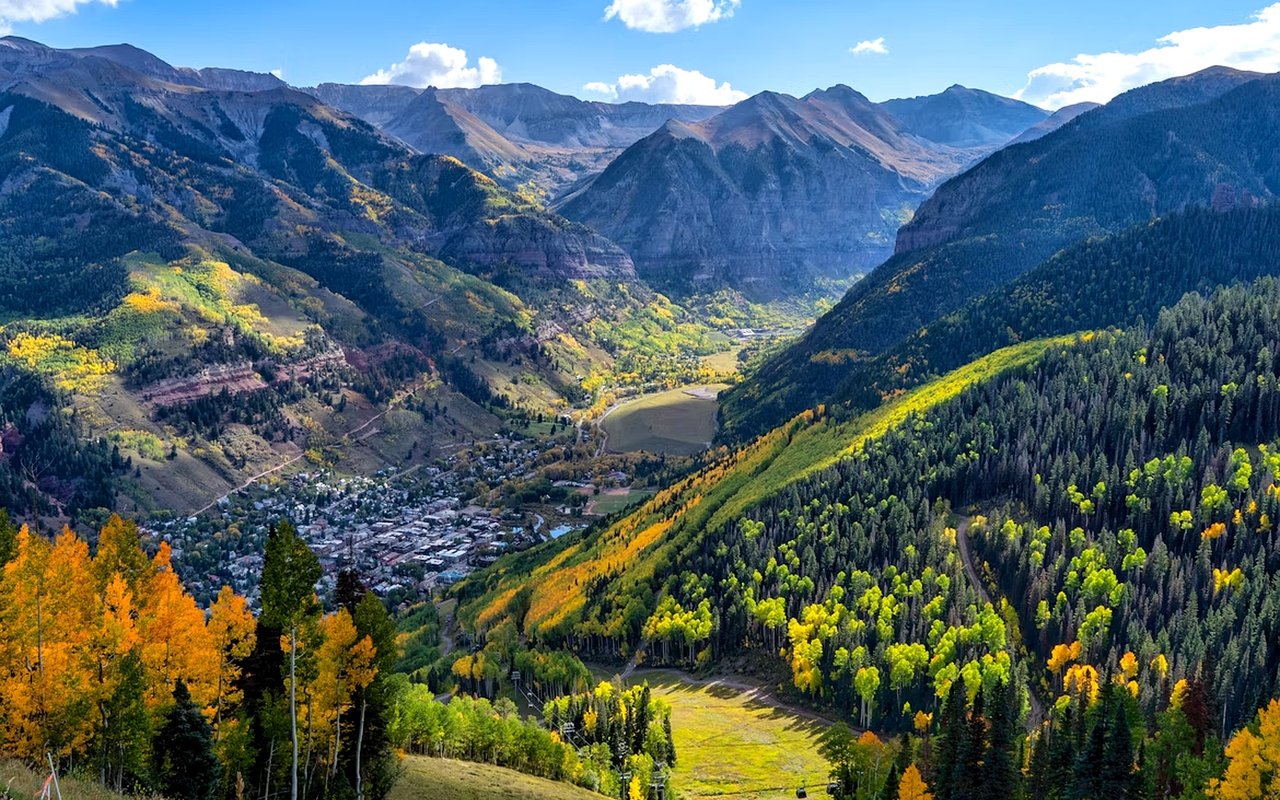
Comparing Mountain Village vs Telluride Real Estate for Luxury Buyers.
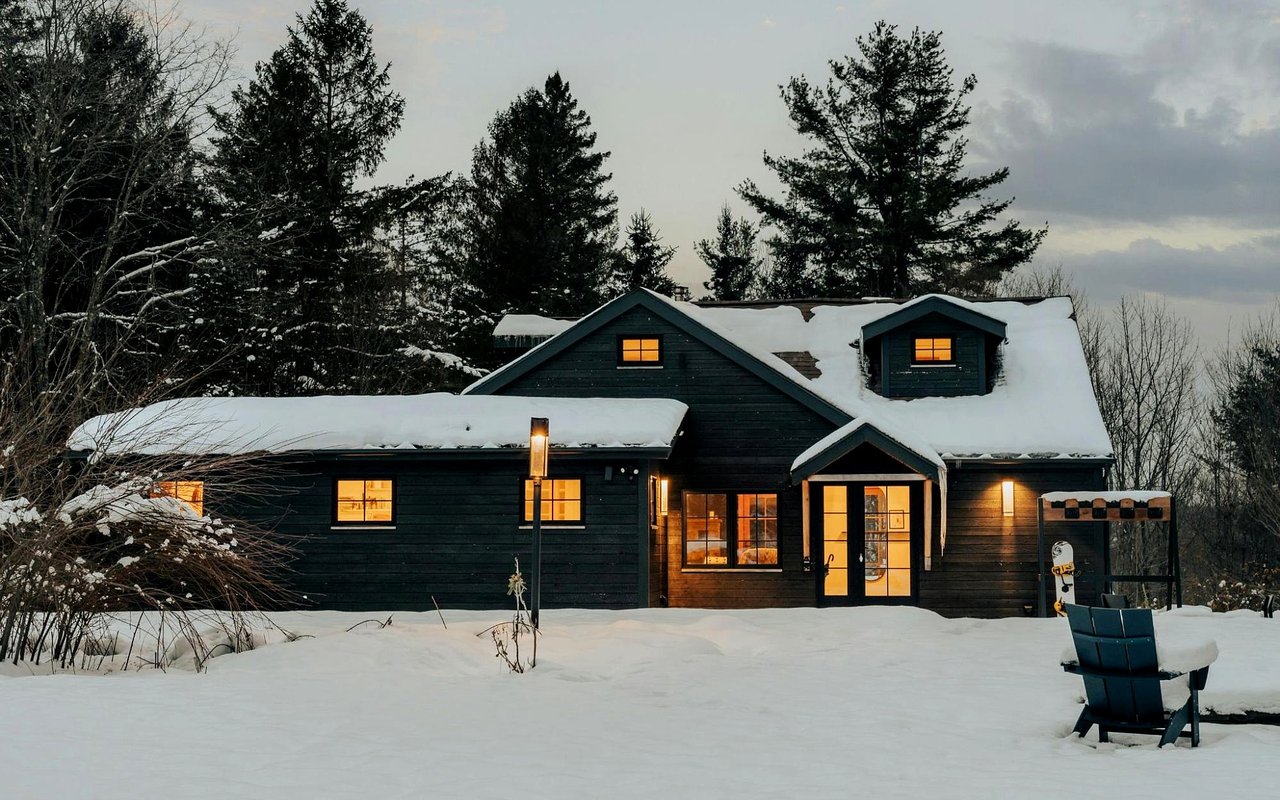
What to Know About Mountain Village, CO, Real Estate.
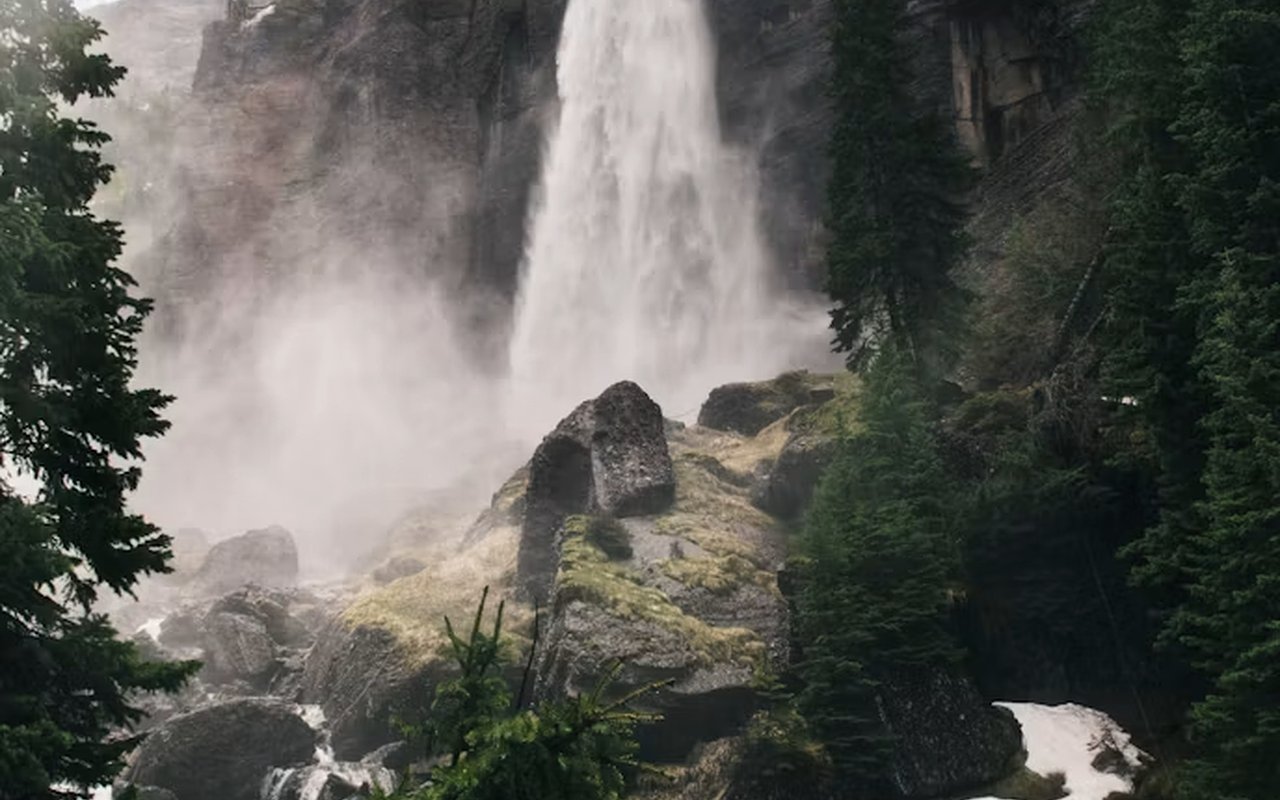
A Local's Look at Bridal Veil Falls and Other Telluride Waterfalls.
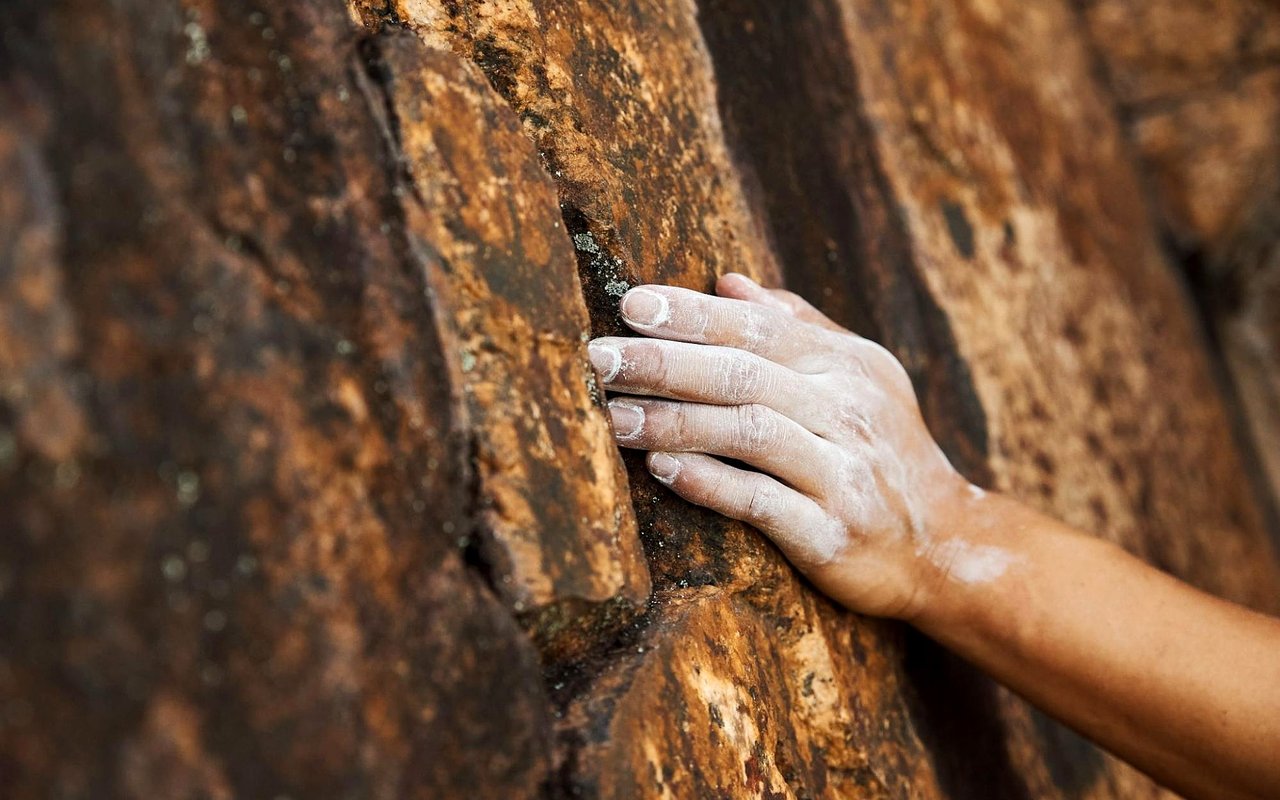
What to Know Before You Try the Telluride Via Ferrata.
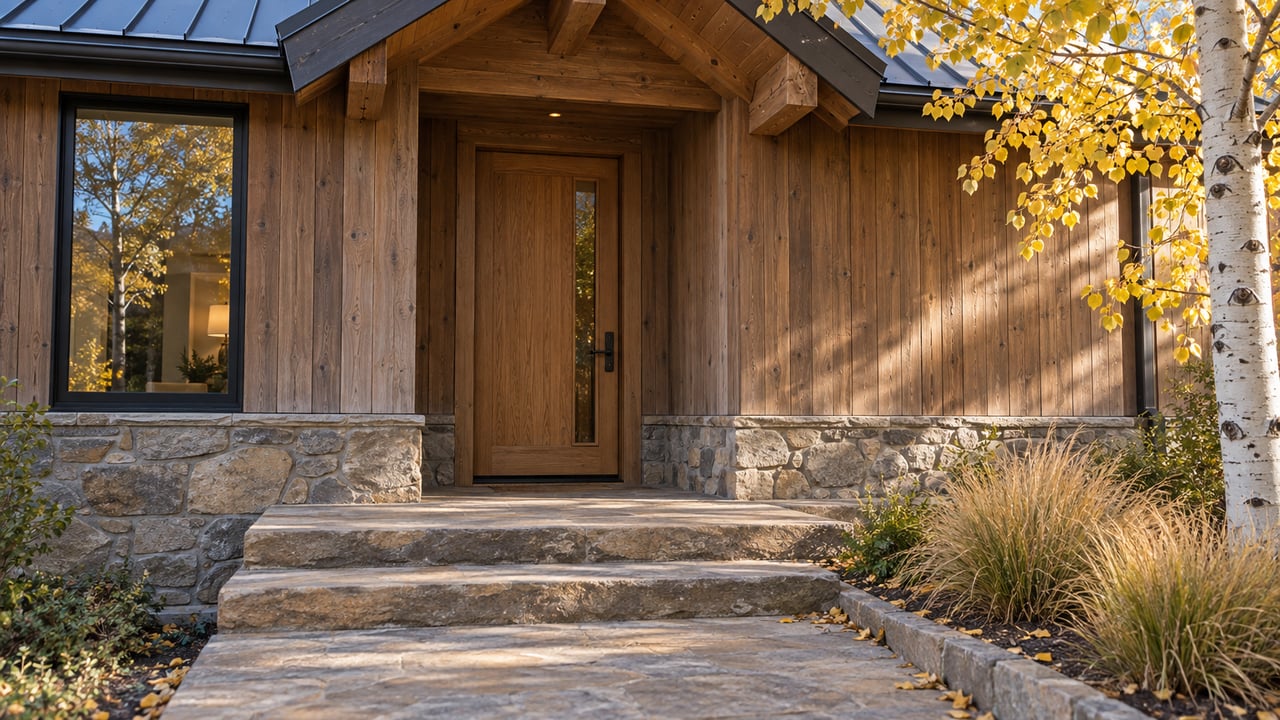
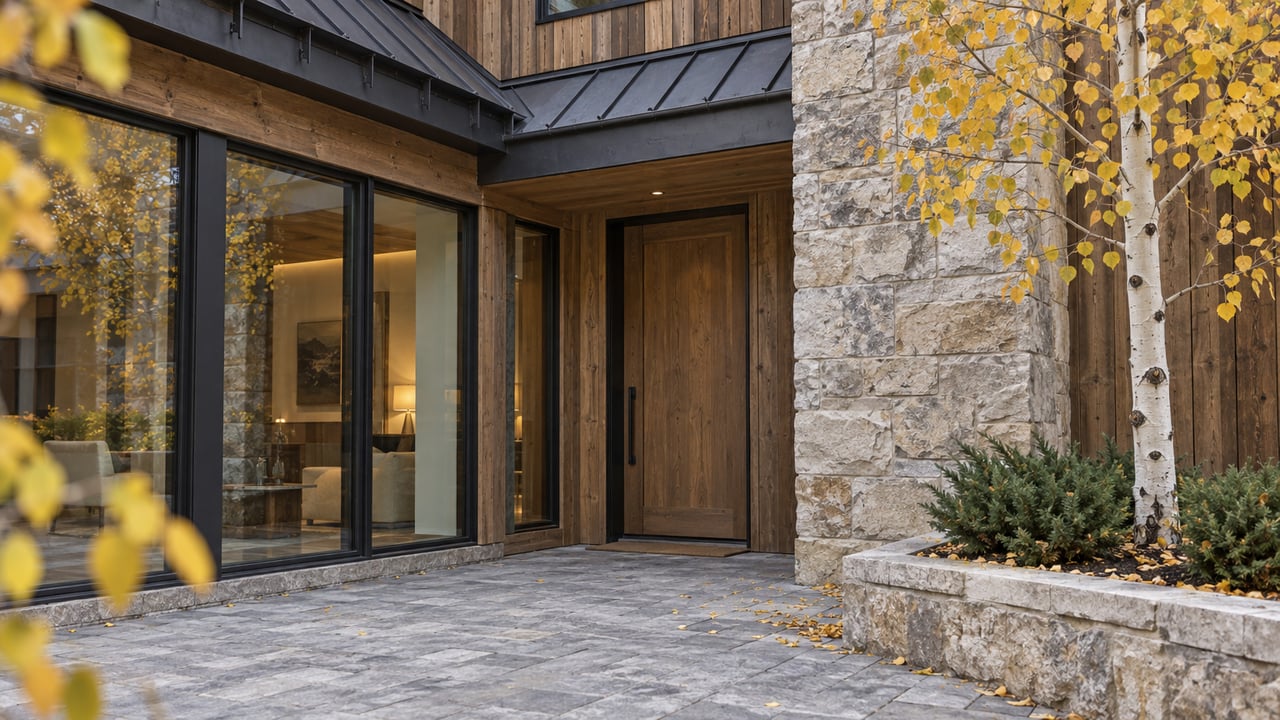
The JW Group has one goal – helping buyers and sellers close deals. We work as a team so our clients receive the best possible knowledge and advice to get deals done.