By JW Group
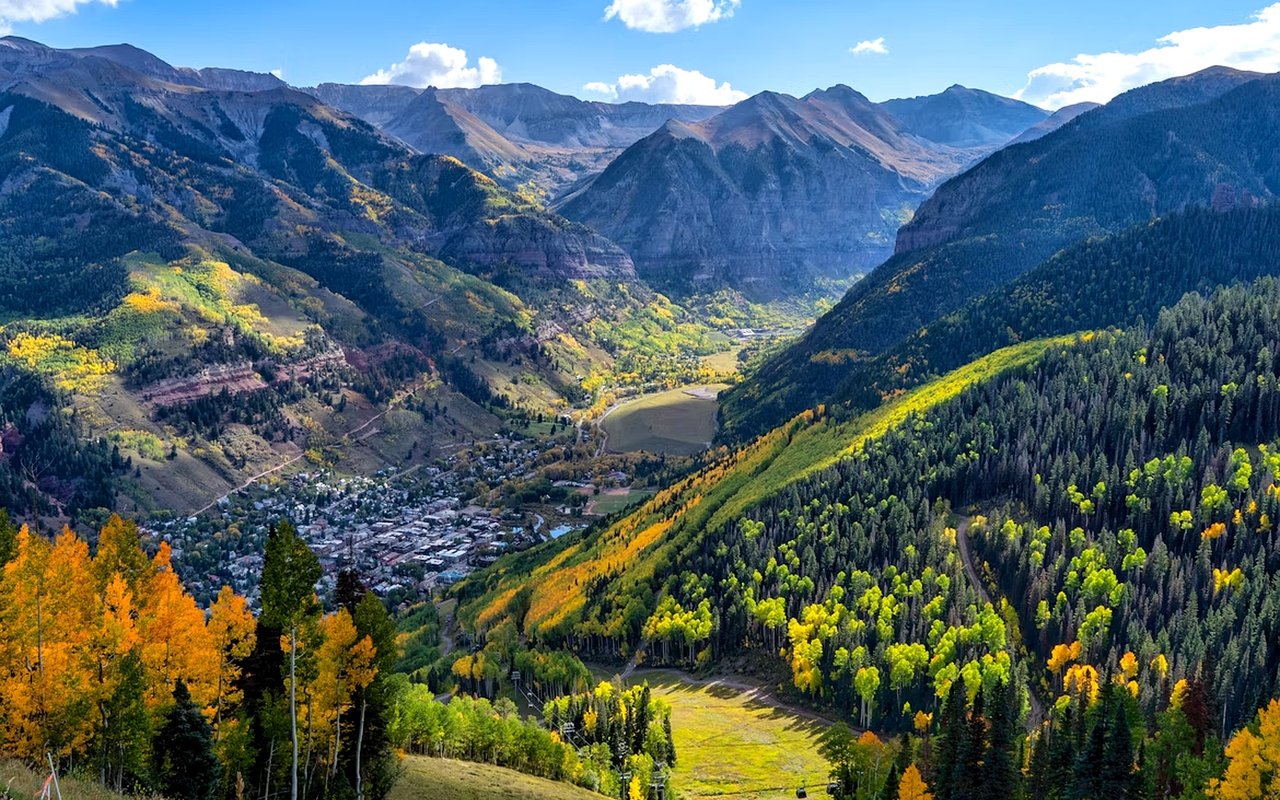
A Telluride home is an exceptional asset. It is also one that the mountain environment works on constantly — through heavy snowfall, intense UV at altitude, dramatic temperature swings, and the particular demands of a high-alpine climate that accelerates wear in ways homeowners from milder markets often underestimate. The properties we see hold their value best are the ones where owners treat annual maintenance as a non-negotiable, not an afterthought. The ones that slip are almost always the result of deferred maintenance compounding quietly until it becomes a major repair or a buyer's inspection issue. Here is what the annual calendar should include.
Key Takeaways
-
Mountain properties face unique maintenance demands from snow load, UV exposure at altitude, and freeze-thaw cycles that require attention every season
-
Roof and HVAC are the two highest-value systems to maintain proactively — failures in either are expensive and disruptive
-
Second-home owners should establish relationships with local service professionals who can manage maintenance during vacancies
-
Annual maintenance documentation — service records, inspection reports, receipts — adds measurable value when it comes time to sell
Roof and Snow Load
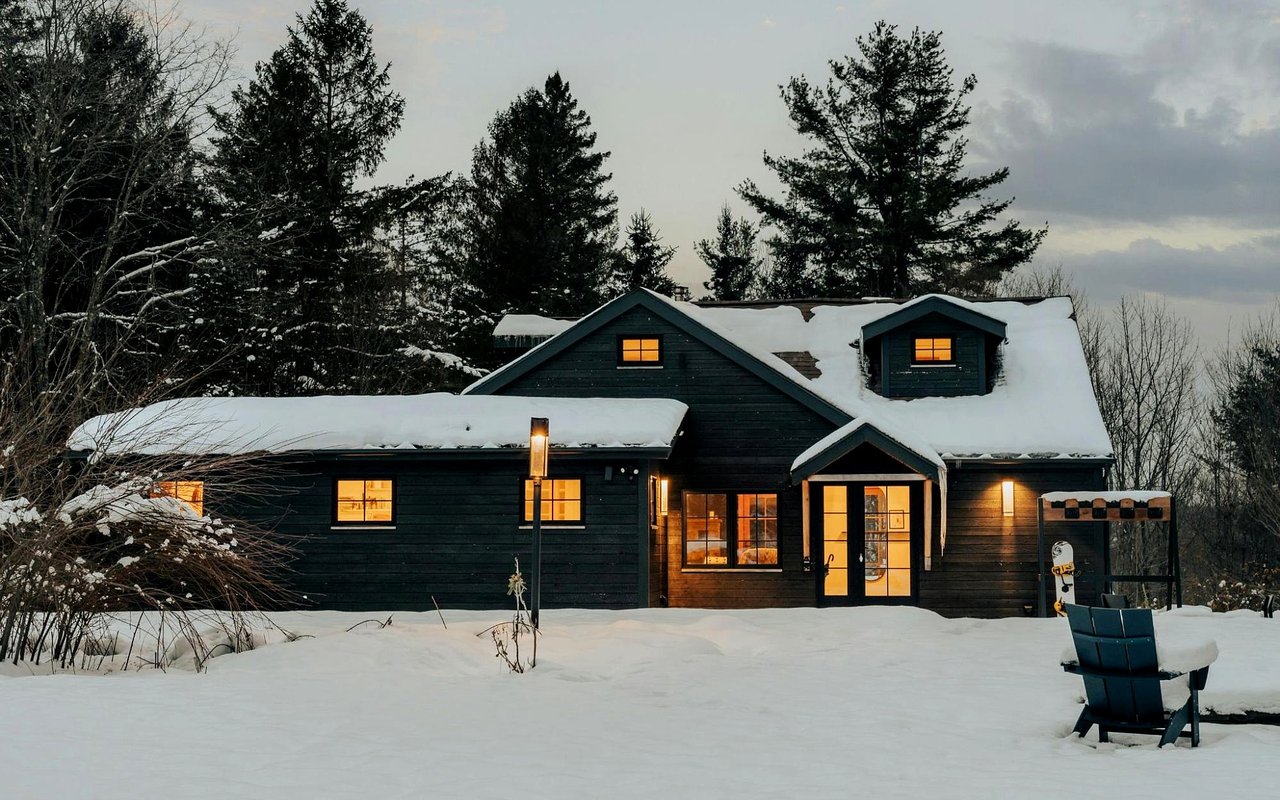
Telluride's annual snowfall averages 213 inches at the resort and is significant throughout the town and Mountain Village as well. Roofs in this environment bear loads that coastal or lower-altitude homes simply never experience, and the consequences of a roof issue — ice damming, structural stress, interior water infiltration — cascade quickly if not caught early.
Schedule a professional roof inspection every spring after the snow has cleared. The inspection should cover flashing condition around chimneys, skylights, and vents; the integrity of shingles or metal panels after the season's weight and freeze-thaw cycling; soffit and fascia for any moisture infiltration; and gutters for ice dam damage or separation from the fascia. Address any findings immediately — small repairs caught in May cost a fraction of what a leaking roof costs by October.
Spring roof inspection checklist:
-
Flashing around all penetrations — chimneys, vents, skylights — for separation or corrosion
-
Shingles or metal roofing panels for lifting, cracking, or missing sections after snow load
-
Gutters and downspouts for ice dam damage, clogging, and proper drainage slope
-
Soffit and fascia for rot, pest entry points, or moisture staining
HVAC and Mechanical Systems
At nearly 9,000 feet, HVAC systems work harder than at sea level — the air is thinner and systems must run longer cycles to achieve the same results. Schedule professional HVAC service twice annually: once in spring before the shoulder season begins and once in fall before heating demand picks up again. Replace air filters every one to three months depending on use. For properties that sit vacant for extended periods, have the system inspected before you return after a long absence.
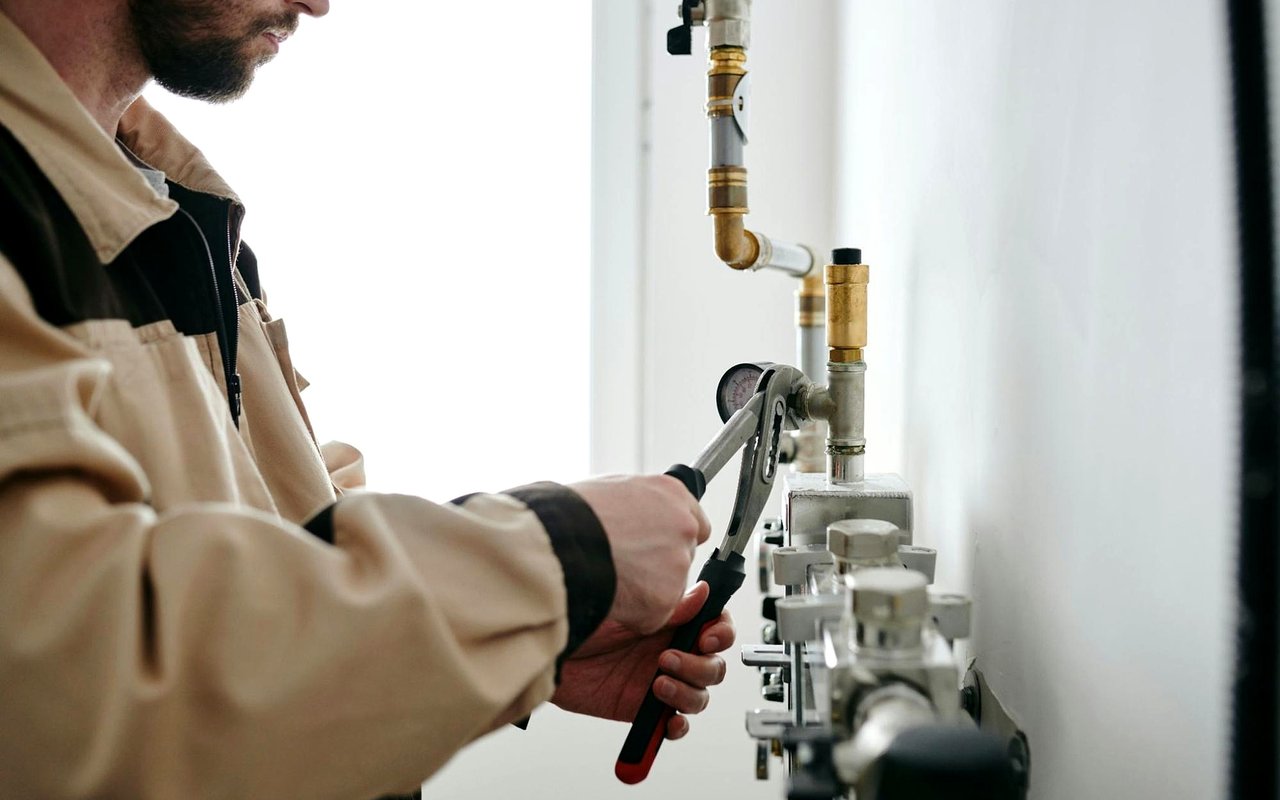
Boilers and radiant heat systems — common in Telluride mountain homes — should be bled and balanced annually to maintain even performance. Check for any signs of slow leaks at radiators or manifolds; even small moisture infiltration in a mountain home creates mold risk that buyers will find during inspection. Water heaters at altitude have different efficiency characteristics than at sea level and benefit from annual flushing to remove sediment buildup.
Exterior and UV Protection
Colorado's UV intensity at altitude is roughly 25% stronger than at sea level, which means exterior paint, caulking, deck finishes, and wood elements degrade significantly faster than homeowners from coastal or lower-elevation markets expect. Budget for exterior inspection and maintenance on a consistent cycle — do not wait for visible deterioration.
Walk the exterior each spring looking for paint that has chalked or peeled, caulking that has cracked or shrunk around windows and doors, and any wood trim or siding that shows early rot or checking. Touch up paint and recaulk immediately — moisture that finds its way behind exterior finishes at this altitude, where freeze-thaw cycles are aggressive, creates damage that escalates fast. Deck surfaces and railings should be inspected and refinished every two to three years, or more frequently if the deck faces south and absorbs full sun through the summer.
Annual exterior maintenance tasks:
-
Inspect and touch up exterior paint, particularly on south- and west-facing walls with maximum sun exposure
-
Recaulk around all windows, doors, and exterior penetrations where cracking or shrinkage is visible
-
Inspect deck boards and railings for checking, splitting, or early rot; refinish decking surface on schedule
-
Check all exterior hardware — hinges, handles, light fixtures — for UV-related deterioration or corrosion
Plumbing and Freeze Protection
For second-home owners who leave the property for extended periods in winter, freeze protection is the most urgent maintenance priority. A pipe failure in a vacant mountain home can cause tens of thousands of dollars in damage before anyone discovers it. Make sure the heating system is programmed to maintain minimum temperatures — no lower than 55°F — when the property is unoccupied. Drain and blow out irrigation systems before the first hard freeze, typically by early October in Telluride. Ensure any outdoor water features are properly winterized.
On an annual basis, inspect visible plumbing under sinks and around appliances for signs of slow leaks or corrosion, flush the water heater to remove sediment, and test any sump pumps installed to manage snowmelt infiltration. For older properties with original plumbing, a periodic full inspection by a licensed plumber is worthwhile — catching a failing connection before it fails unattended is one of the highest-value maintenance investments available.
Fire Mitigation
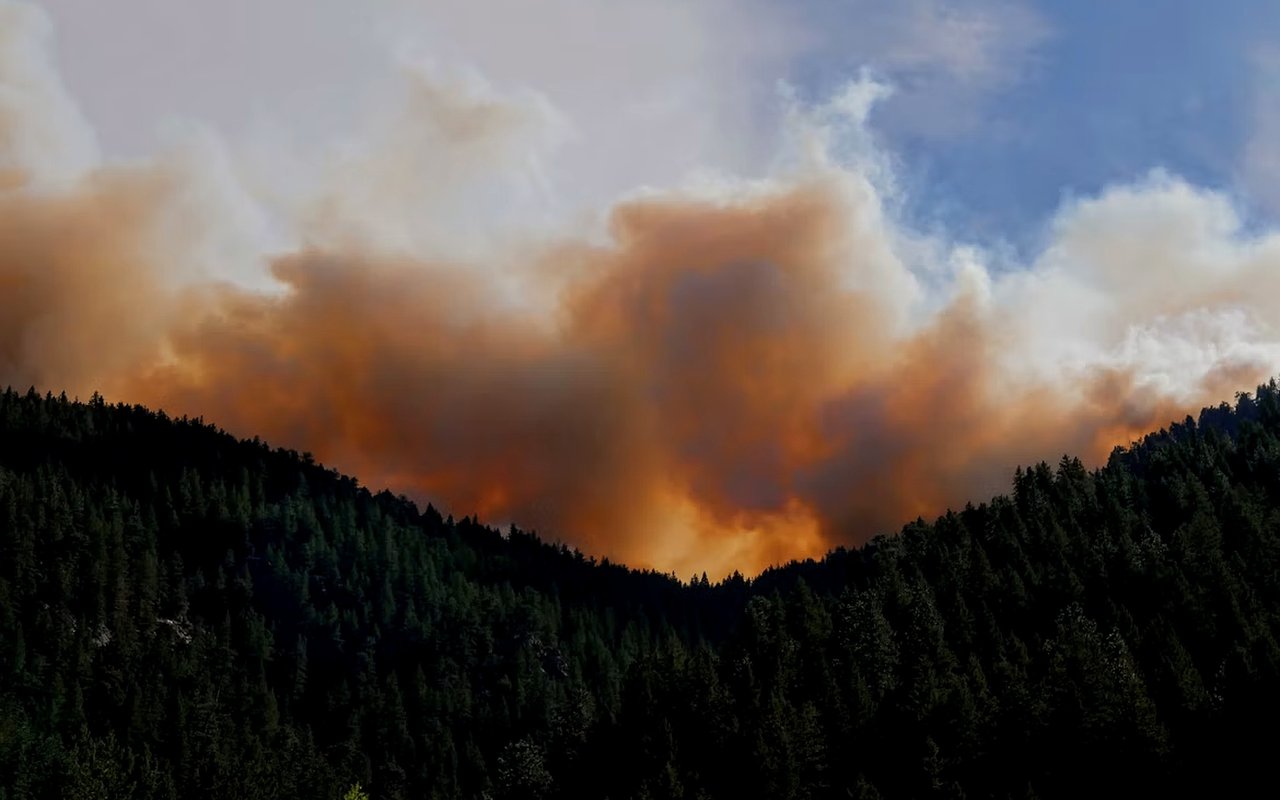
Wildfire risk is a reality throughout Colorado's mountain communities. Clear dead vegetation and debris within at least 15 feet of the structure annually, trim tree branches that overhang the roof, and keep gutters clear of pine needles and leaves that can become ignition points. Review your homeowners insurance annually to confirm that wildfire coverage reflects the current replacement cost of the property — construction costs in Telluride have risen significantly, and policies that have not been updated may be substantially underinsured.
Frequently Asked Questions
How do I manage annual maintenance as a second-home owner who icsn't in Telluride year-round?
Establish relationships with reliable local contractors before you need them — a trusted roofer, HVAC technician, plumber, and general handyman who know the market and can respond when you are not here. Property management services in Telluride can also coordinate routine maintenance and inspection on your behalf, which many second-home owners find worth the cost for the peace of mind alone.
What maintenance documentation should I keep for when I sell?
Keep records of every service visit — HVAC service reports, roof inspection summaries, plumbing work orders, and any significant repairs with contractor invoices. When we sell a property, documentation of consistent professional maintenance is a meaningful differentiator. It reduces buyer hesitation, supports pricing, and shortens the path to close.
Are there maintenance considerations specific to Mountain Village properties vs. in-town Telluride?
The core tasks are similar, but Mountain Village properties at higher elevation tend to see heavier snow loads and more significant wind exposure. Roof inspections matter even more in Mountain Village, and structural elements — decks, railings, overhangs — should be evaluated for load capacity if they predate current building standards.
Work With the JW Group
We work with our clients through every stage of Telluride ownership — not just the transaction. If you have questions about maintaining your property or preparing it for a future sale, we are glad to connect you with the right resources. Reach out to us to
learn more about how we support Telluride homeowners.