By JW Group
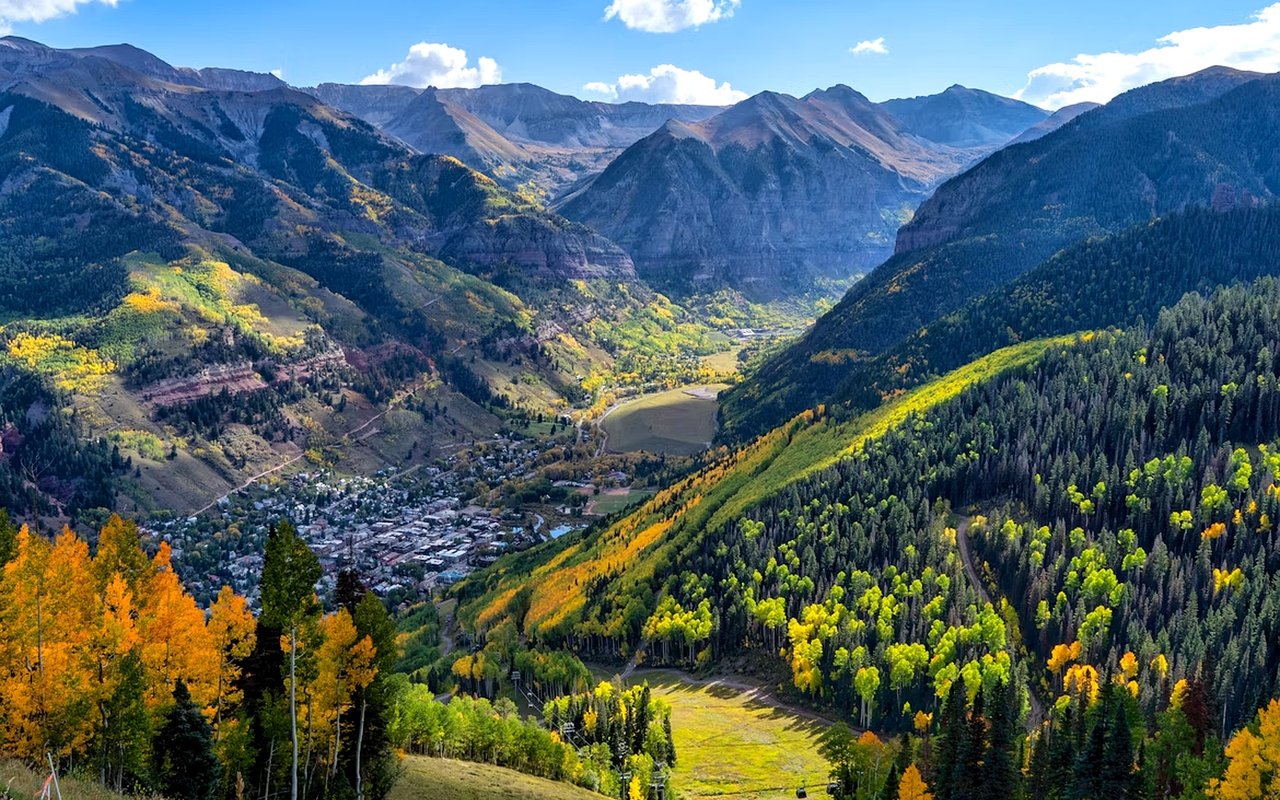
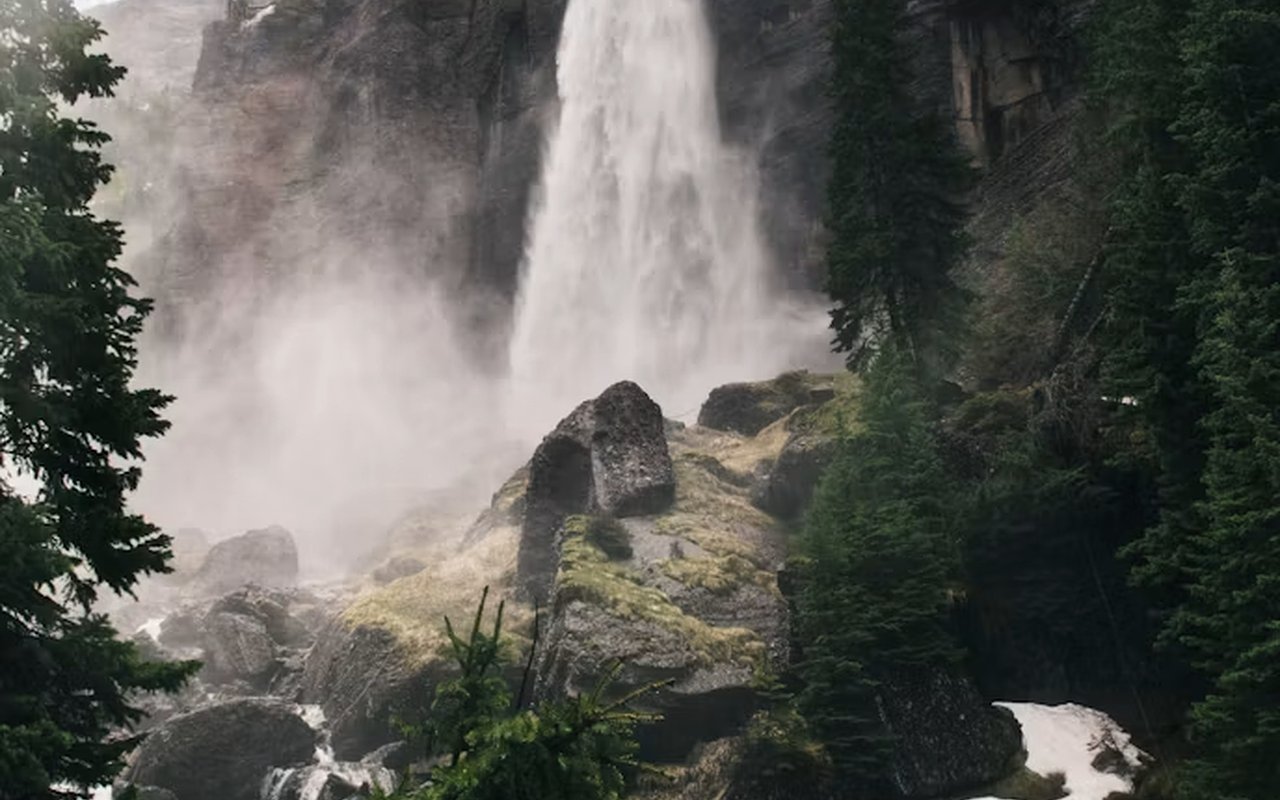
The shift from ski season to summer in Telluride happens fast. One week the slopes are active, the next the San Miguel River is running high with snowmelt and the Valley Floor is turning green. For homeowners in Telluride and Mountain Village, that transition is also a signal to get the house ready — and mountain properties at 8,750 to 9,600 feet have their own specific demands. Here's how to prepare your home for summer in Telluride before the festivals start and the town fills back up.
Key Takeaways
- High altitude means UV exposure is significantly more intense than at sea level, which accelerates wear on exterior surfaces, decking, and window seals
- Snowmelt season is the best time to inspect roofs and gutters before summer thunderstorms arrive
- Mountain homes left vacant through ski season need a thorough interior walk-through before reopening
- The Telluride summer season runs peak from late June through September, including Bluegrass, Blues & Brews, and the Film Festival — give yourself time to prepare before the crowds arrive
Start With the Roof and Gutters
Winter at this elevation is hard on roofs. Heavy snowpack and repeated freeze-thaw cycles can shift shingles, create small gaps in flashing, and push water into places it shouldn't go. Before the afternoon thunderstorms of June and July arrive, do a ground-level inspection of the roof for any obvious damage, missing shingles, or compromised flashing around chimneys and vents. Clear gutters of any debris that built up over winter — clogged gutters in a Colorado summer storm create water damage at the foundation, which is a far more expensive problem than clearing a gutter in May.
If your home is in Mountain Village or on a steeper lot above town, ice dam mitigation systems should also be checked and reset now that ski season is over. Local companies like Telluride Exteriors install and maintain heated cable systems designed specifically for San Juan Mountain conditions.
Inspect Every Exterior Surface
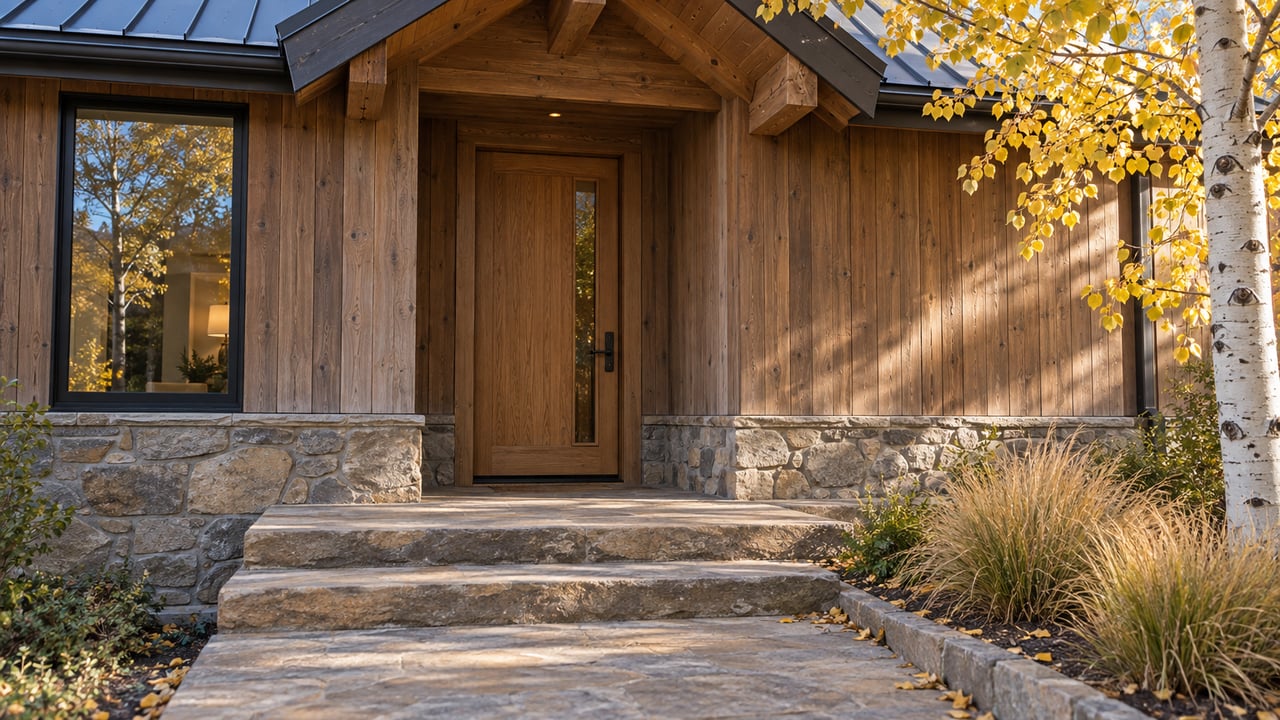
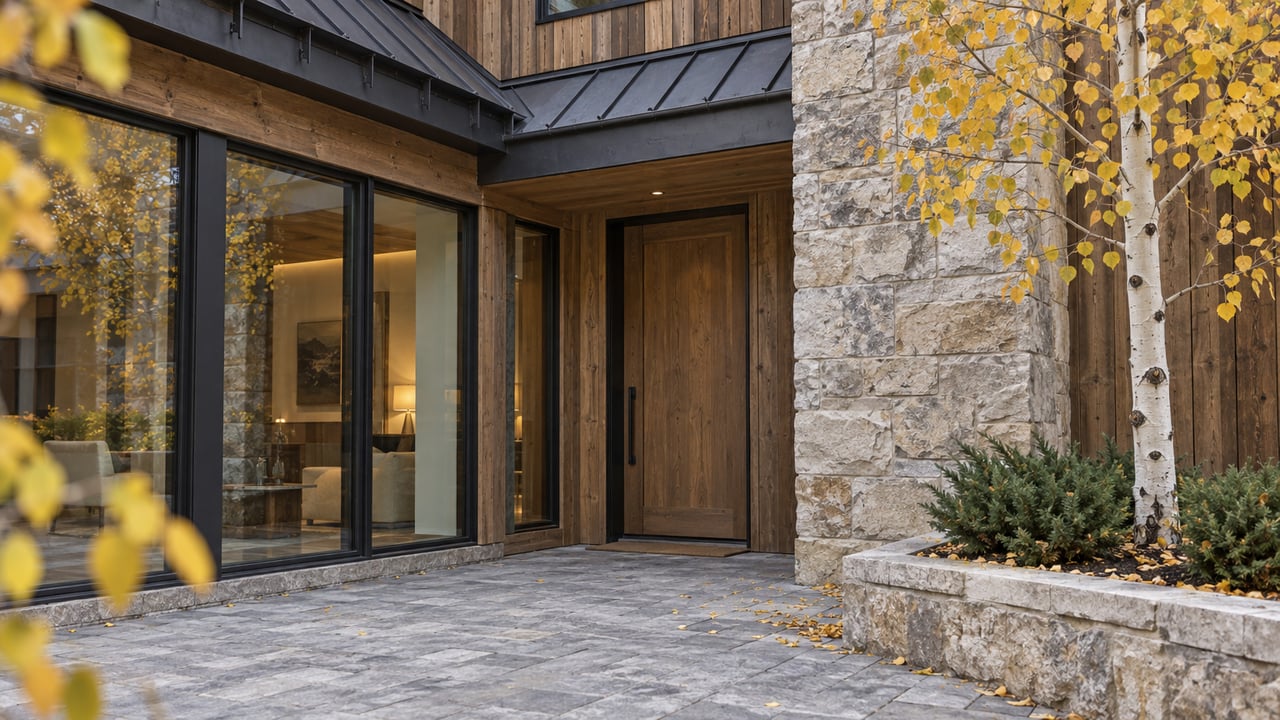
At 8,750 feet in Telluride, UV exposure runs roughly 25% stronger than at sea level. That intensity affects decks, painted surfaces, window seals, and exterior wood faster than homeowners used to lower-altitude properties expect. Walk the perimeter of your home with fresh eyes and look for peeling or faded paint on south-facing walls, cracking caulk around windows and doors, and any deck boards that have warped, split, or pulled from their fasteners. A deck stain refresh every two to three years is standard for Telluride properties — putting it off costs more than doing it on schedule.
Check the Plumbing and Irrigation
If the home was unoccupied over winter, reconnect and test outdoor irrigation systems before summer landscaping is in full swing. Check hose bibs that were winterized for any damage from the freeze-thaw cycle, and inspect exposed plumbing in garages or crawl spaces for any small cracks that a hard freeze may have started. The San Miguel Valley's dry air also affects rubber seals and pipe insulation — it's worth checking both before the summer rental season begins.
Service the HVAC System
Even in a mountain climate where air conditioning is rarely a necessity, HVAC service matters for Telluride homes. Replace furnace filters, clear vents, and have the system inspected before you switch from heating to cooling mode. Systems work harder in thinner air at altitude, and a summer thunderstorm is not the moment to discover a problem. If your home has a wood-burning fireplace or stove, schedule a chimney cleaning before fall — but use the end of ski season to confirm the damper is seated correctly and the firebox is clear.
Open Up Outdoor Spaces
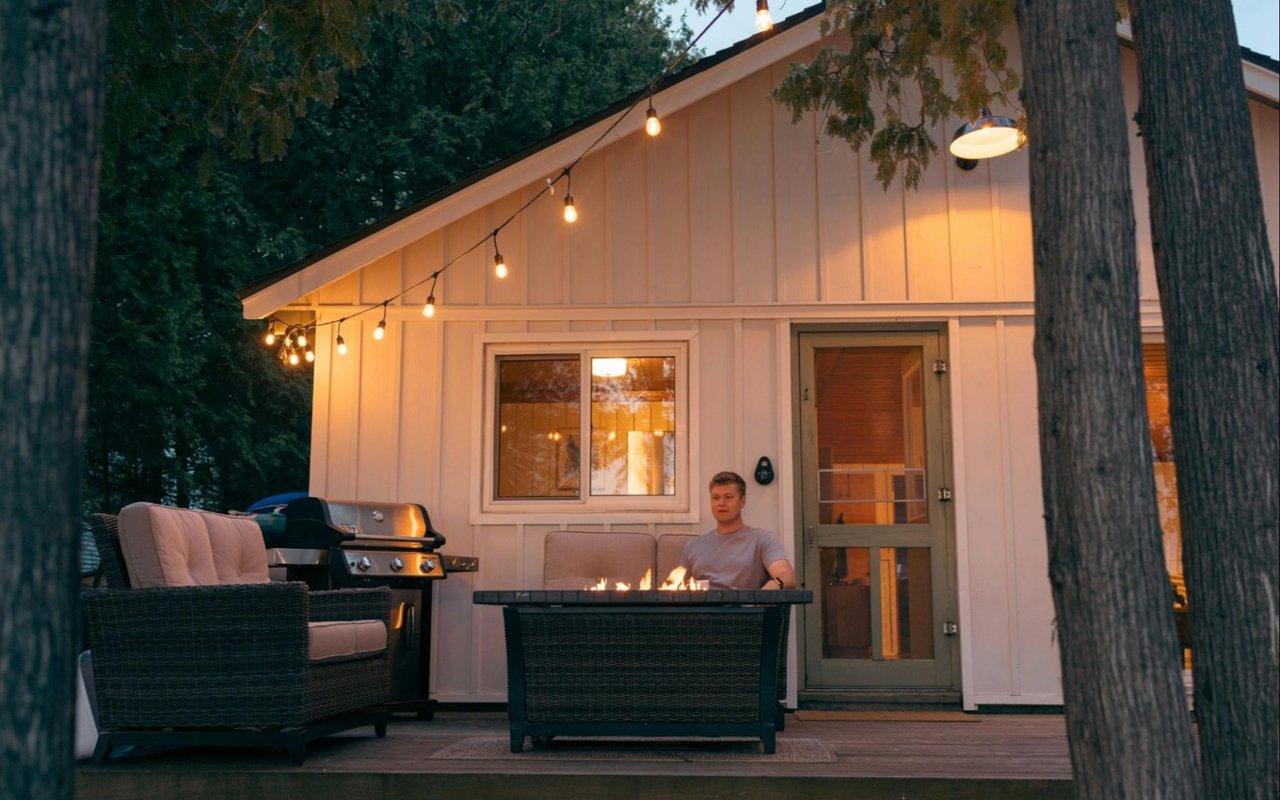
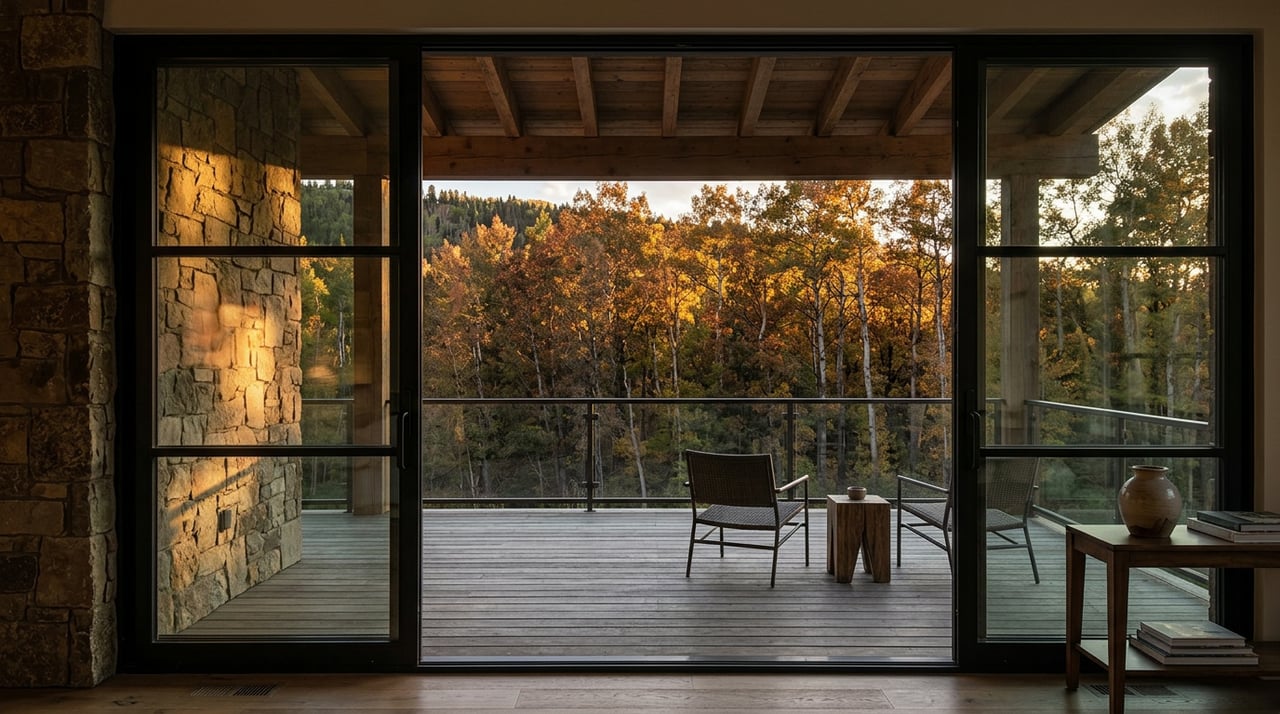
This is the part that's actually enjoyable. Bring out patio furniture that was stored for winter, reconnect hot tubs that were powered down or reduced to maintenance mode, and check decks and railings for stability before guests arrive. Town Park comes alive in summer with festivals and community events, Bear Creek Trail and the Valley Floor open up for hiking and biking, and the gondola shifts to its summer schedule connecting Town and Mountain Village. Your home's outdoor spaces should be ready to take full advantage of all of it.
Address the Landscaping Early
Snowmelt fills the San Miguel River each spring and greens up the Valley Floor, but it also exposes what winter did to yards, driveways, and slopes around the home. Clear any debris, prune back branches that took on ice and snow load, and check that drainage around the property's foundation is directing water away from the house rather than toward it. Afternoon summer storms in the San Juans can deliver a lot of precipitation quickly — good drainage is not optional at this elevation.
For Second-Home Owners: The Full Walk-Through
Many Telluride properties sit largely unoccupied from early April through late June when the mountain is closed and summer hasn't fully kicked off. Before reopening, do a full interior walk-through: check for any signs of moisture or mildew in basements and crawl spaces, test all smoke and carbon monoxide detectors, confirm the water heater is operating at full efficiency, and inspect under sinks and in utility areas for any slow leaks that went undetected. This is also the moment to confirm your home is ready for a potential summer rental season — whether that means guests through a rental program or family arriving for Bluegrass weekend.
Frequently Asked Questions About Summer Home Prep in Telluride
What makes Telluride homes different to maintain compared to lower-altitude Colorado properties?
The combination of intense UV exposure, dramatic freeze-thaw cycles, heavy snowpack, and the dry arid climate of the San Juans creates wear patterns that standard maintenance guides don't account for. Roofs, decks, window seals, and exterior paint all need more frequent attention than at sea level, and plumbing in vacation homes that sit unoccupied needs specific seasonal protocols.
When should summer maintenance happen in Telluride?
Late April through late May is the window — after ski season ends and before the summer festival calendar picks up in late June. That's when you can assess winter damage clearly, get contractors scheduled before they're booked solid, and have everything ready for the Bluegrass Festival crowd in mid-June.
Do I need to hire local contractors, or can I do most of this myself?
Routine tasks like clearing gutters, checking outdoor furniture, and walking the perimeter are easy to do yourself. Roof inspections, chimney cleaning, and HVAC servicing are worth hiring local professionals for — Telluride contractors understand the specific demands of the climate and are familiar with the types of properties here.
Is this relevant for Mountain Village homes as well?
Yes, and in some respects more so. Mountain Village sits at approximately 9,600 feet, which means even more intense UV exposure and steeper roof pitches that collect more snow load. The same checklist applies with slightly elevated urgency on roofing and exterior surfaces.
Get Ready for Summer in Telluride With JW Group