Log Hill Mesa's Trail Debate: Quiet Paths and Space for Kids to Ride
Walk the Escarpment Path on a July evening and you will pass maybe three other people, all on foot, all with dogs off leash and under voice command. No mountain bikes will pass you. No e-bikes will pass you. That reflects the Loghill Village Park & Recreation District's current trail-use policy, which the board is now discussing.
On June 9, 2026, five board members gathered at the Inspiration Point picnic pavilion for a district board session: Dickson Pratt, Bill Hall, Cyndi Nelson, Art Brazee, and Dave Underwood, along with a handful of residents. After approving minutes and a treasurer's report, the board turned to an item that has apparently been simmering for a while: whether bicycles should be allowed on district trails at all.
The trails were built for walkers. That has been the operating premise since the district's founding trails, the Escarpment Path, Elk Run, and Elk Meadow Loop, were cut by board members and volunteers back when the district first formed. The Loghill Village Park & Recreation District traces its own origin to 1995, when a developer wanted to sell a sixty-acre parcel meant for a fire station as a high-end home site instead. Residents objected, the district formed to acquire the land, and the mission shifted toward building and maintaining trails on what is now 488 acres across Loghill Village Units 1 and 4.
The June minutes record a discussion about whether bicycles should be allowed on the district's walker-only trails. One argument raised was that most of the district's trails are, by design, unremarkable. They don't offer sweeping views or technical challenge, so cyclists from outside the district would have little reason to seek them out even if the rules changed.
That argument only makes sense once you see what sits a few miles in every direction.
Log Hill Mesa is not short on trail access. It is surrounded by two systems built for exactly the opposite purpose: to draw people in.
North of town, the BLM's Ridgway Area Trails system offers 25 miles of non-motorized singletrack across land managed by the Uncompahgre Field Office, with views of the Mount Sneffels Range, the Cimarron Mountains, Ridgway Reservoir, and the Uncompahgre River. It has become a destination for mountain bikers from across western Colorado. A few miles the other direction, Ridgway State Park offers roughly 15 miles of trail inside the park boundary, with connections to another 40-plus miles once you count the RAT system and the Dennis Weaver Trail network, plus nearly 300 campsites drawing overnight visitors all season.
Against that, the district's ten miles feel modest:
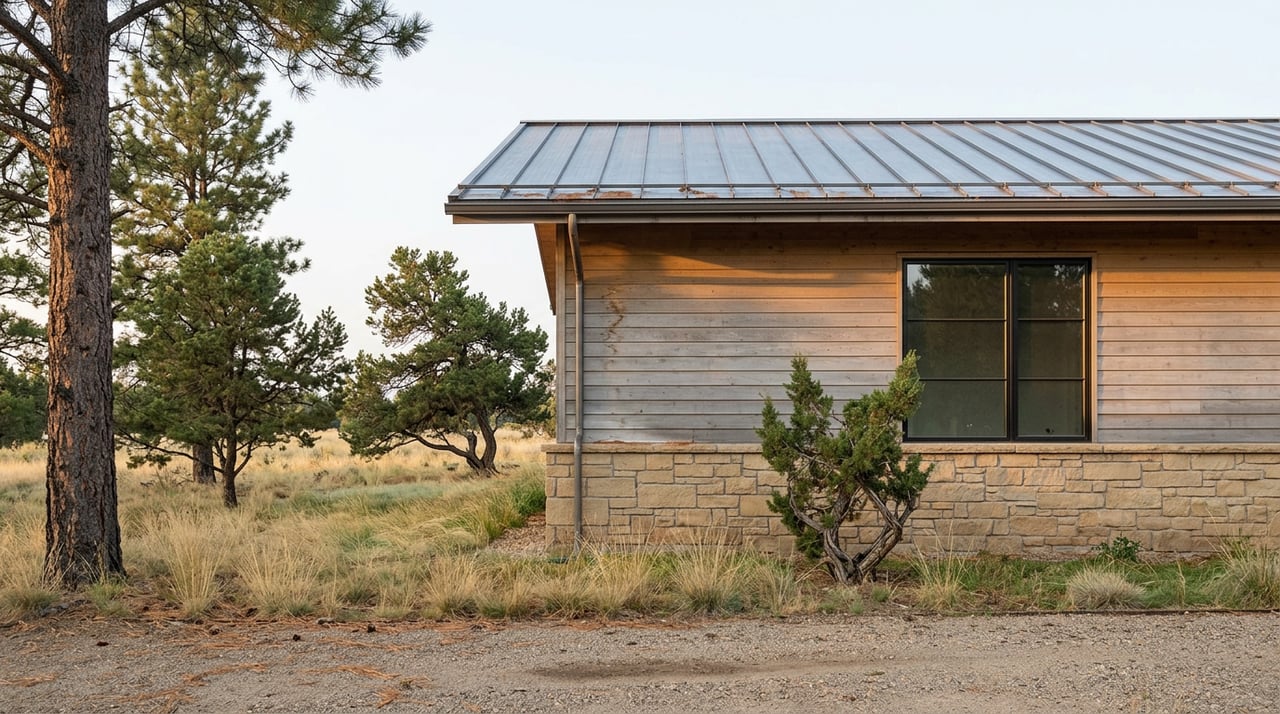
The first four were volunteer-built in the district's early years. Red-tail and Lupine came later, professionally constructed once the original network reached its footprint limits. All six wind through Ponderosa pine, piñon, and juniper on high mesa terrain, with the Inspiration Point pavilion along the Escarpment Trail offering a 360-degree view over Ridgway, Pleasant Valley, and the reservoir below.
None of that is a secret. The June meeting also connected the district's modest trail network with the question of how it should handle bicycle access.
The rest of the June 9 minutes read less like policy debate and more like a small town keeping its own house in order. ATV tracks had turned up on the Escarpment Trail, and Art Brazee volunteered to discuss the district's boundary. A resident had reported an unstable bench along the same trail. John Hulburd offered to organize volunteer crews for trail upkeep going forward, the same volunteer model that built the network in the first place.
The bicycle debate also raised a practical concern: right now, a kid who wants to ride from the mail kiosk on Ponderosa Drive to a friend's house has nowhere on district land to do it safely. The discussion reflects a balance between preserving the quiet, walker-oriented trail experience residents value, as shown by the pushback described in the meeting notes, and providing a safer riding option for kids. No vote was taken. The board moved instead to poll residents before making any change, which means the real decision is still ahead, not behind.
Under the district's public transparency filing, the board meets the first Tuesday of even-numbered months at 4:30pm, notices posted at the Ponderosa Drive mail kiosk and on the district site. Board members serve four-year terms with a two-term limit, and per the state rule adopted after 2022, special district elections now happen every two years in odd-numbered years. Anyone who wants a say in whether Log Hill Mesa's trails remain walker-only or begin welcoming bikes has a scheduled channel to do so, not just a comment left on a neighborhood app.
Most Log Hill residents end a trail walk the same way: down the mesa into Ridgway for dinner. One newer stop has become part of that routine. The Ouray County Plaindealer covered Chloe's Charcuterie & Wine in detail. Chloe's Charcuterie & Wine opened in February 2025 at 616 Clinton Street, in the space that used to house Provisions Cafe. According to the report, owner Holly Kintz, who grew up in nearby Montrose and spent more than three decades in the restaurant industry, decided to open the bar after a metastatic breast cancer diagnosis in late 2023 pushed her to stop deferring the idea. The bar takes its name from her dog and service animal, Chloe, and pours wine by the ounce through an inert gas system that keeps open bottles from turning over as fast as they would behind a normal bar. The report also described how Kintz found the space while volunteering down the street at the Sherbino Theater. In August 2025, the Ridgway Area Chamber of Commerce named Chloe's its Member of the Month.
It's a small addition to the town's restaurant lineup, alongside longer-running spots like Eatery 66 and Greenwood's, but it fills a gap that had genuinely been missing: a wine bar with a curated list in a town that otherwise runs on breweries and diners.
The bicycle question on Log Hill Mesa is about how the district can balance the quiet character of its trail network with interest in more, safer riding space for kids. The board hasn't decided. The resident poll hasn't gone out yet, at least not as of the June minutes. But the debate is live, the meeting schedule is public, and the district's next regular session lands on its usual rhythm: first Tuesday of October, 4:30pm, at the same pavilion where this conversation started.
That's the kind of detail that doesn't show up in a listing description or a satellite photo, but it's exactly the sort of thing that shapes what living here actually feels like day to day.
If you're curious how neighborhoods like Log Hill Mesa fit into the wider Telluride region, or want a local's read on what a property here actually offers beyond the view, JW Group has spent years working these mesas and valleys and is glad to talk through it. Start with a Home Search whenever you're ready.
This article is general information, not legal, tax or financial advice. Consult a qualified professional about your situation.
What Owners and Buyers Should Know About Licenses, Taxes, Zoning, and Transfers.

What Telluride Buyers, Sellers, and Owners Should Know About Testing, Costs, and Mitigation.

Lineup, Tickets, Camping, and Local Tips for Telluride's Summer Solstice Tradition.
Town Versus Mountain Village, HOA Dues, Rental Rules, and Closing Costs for Telluride Ski Condos.
A Winter Checklist for Roofs, Pipes, Access, and Local Rules in the Colorado Mountains.

History, Passes, Venues, and Travel Tips for Experiencing Telluride Over Labor Day Weekend.
The JW Group has one goal – helping buyers and sellers close deals. We work as a team so our clients receive the best possible knowledge and advice to get deals done.