By JW Group
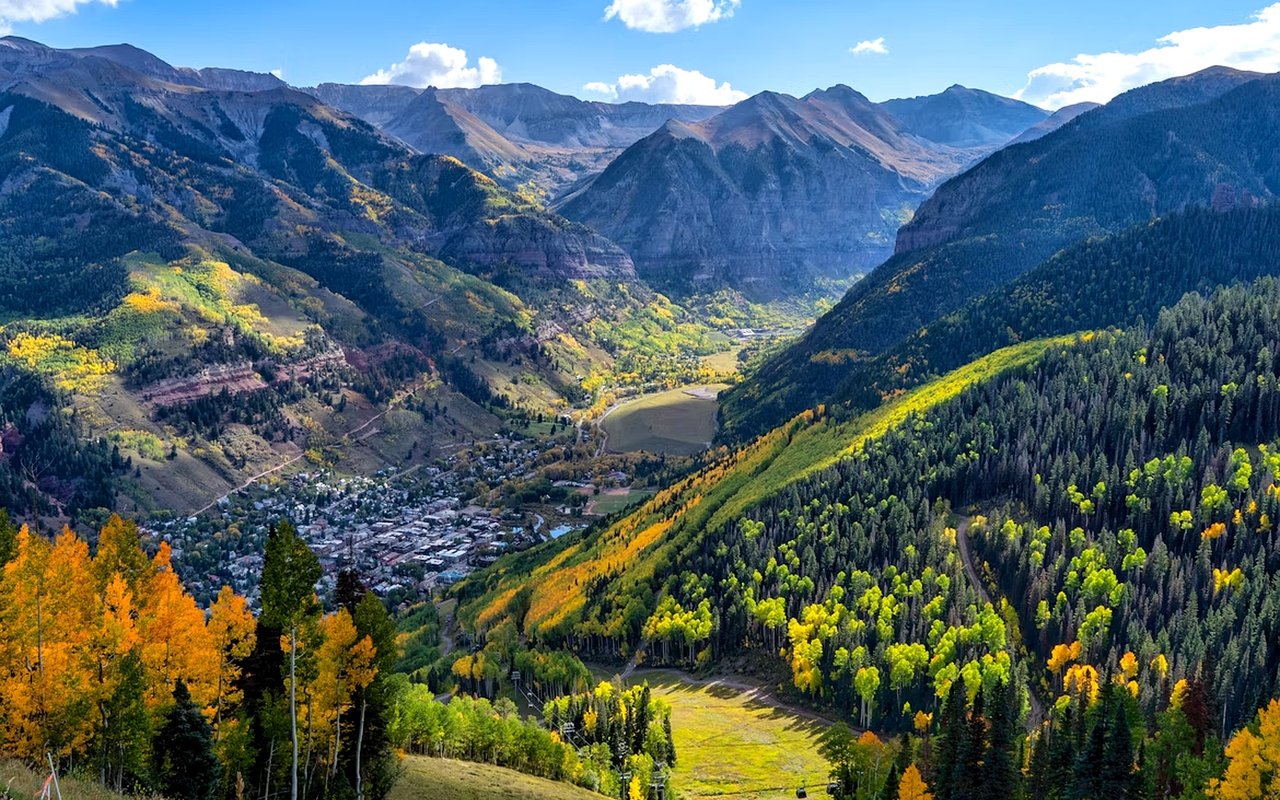
We hear from investors and future homeowners all the time that they want to understand what affects return on investment before they buy in Telluride. With its world‑class skiing, summer festivals, and unique mountain lifestyle, Telluride offers great upside—but there are specific factors that drive or limit ROI here. We’ve broken down the most important elements so you can make smart decisions whether you’re considering a condo in Mountain Village, a vacation rental near downtown Telluride, or a luxury home with ski access.
Key Takeaways
- Location, zoning, and property type heavily influence rental and resale ROI.
- Market timing, amenities, and maintenance costs are major ROI drivers in mountain real estate.
- Understanding Telluride’s local nuances gives you an edge when evaluating properties for sale.
Location: Telluride’s Neighborhoods and Access
Where a property sits in Telluride’s landscape dramatically affects its appeal to buyers and renters, which in turn influences ROI.
Why Location Matters
Top Location Factors That Impact ROI
- Proximity to Ski Areas: Homes and condos close to Lift 8 or near the Telluride Ski Resort base are highly desirable for winter renters and second‑home buyers alike.
- Walkable Access: Properties within easy walking distance of Main Street’s shops and restaurants often command higher occupancy and rental rates.
- Views and Orientation: Homes with unobstructed views of Ajax Peak or the San Juan Mountains deliver a premium in price and future resale value.
- Access to Trails: Listings near popular hiking, biking, and cross‑country trails see increased demand year‑round.
For example, a Mountain Village condo with ski‑in/ski‑out access typically performs better for short‑term rental income than a similar unit farther from lifts.
Property Type and Use Restrictions
Your expected ROI shifts depending on whether you are buying a single‑family home, condo, townhome, or fractional interest—and what local regulations allow.
What Property Type Means for Return
How Use and Zoning Influence Profitability
- Condominiums: Often easier to rent as short‑term vacation units, but they can carry higher HOA dues that affect net ROI.
- Single‑Family Homes: May see stronger appreciation long term, especially with acreage or privacy, but they’re less frequently rented.
- Fractional Ownership: A niche category in Telluride, offering shared use and lower entry price, but ROI depends on how rental income is split.
Telluride has specific zoning and association rules that can limit nightly rentals, especially in residential zones, so understanding HOA restrictions is essential before projecting income.
Market Timing and Seasonality
The timing of when you buy and sell in Telluride has a strong effect on ROI, and seasonal demand patterns are especially pronounced in mountain towns.
Timing Your Investment
Seasonal and Market Trends That Affect ROI
- High Seasons: Winter (ski season) and summer (festival and outdoor seasons) drive peak rental rates, boosting revenue potential.
- Off‑Peak Months: Shoulder seasons like late fall and early spring can see lower occupancy, so budgeting for slower months is essential.
- Market Cycles: Telluride real estate can move differently than national averages, with luxury and ski properties often retaining value even in softer times.
Investors who structure pricing and availability to capture both ski and summer demand often achieve better overall annual ROI than those focused on a single season.
Amenities and Property Condition
The amenities you offer—and the general condition of the property—play a significant role in how much rent you can charge and how quickly a home sells.
What Buyers and Renters Value
Amenities That Improve ROI Potential
- Modern Kitchens and Baths: Updated, well‑designed interiors attract higher rents and make homes more appealing at resale.
- Hot Tubs and Fireplaces: Features that enhance comfort and après‑ski appeal are especially important in mountain markets.
- Parking Access: Properties with convenient parking or heated garages are more desirable in winter conditions.
- Outdoor Space: Patios, decks, and mountain views increase both rental appeal and long‑term value.
A property that feels fresh and well‑maintained will outperform one needing major updates, especially in a competitive market like Telluride.
Operating Costs and HOA Fees
ROI isn’t just about income—it’s also about what it costs to own and operate the property.
Keeping Expenses in Check
Key Cost Considerations
- HOA Dues: While townhome and condo HOAs can provide maintenance, snow removal, and amenities, high fees can reduce net ROI.
- Property Taxes: Telluride’s residential property taxes vary by location and valuation class, so run projections before purchasing.
- Insurance and Utilities: Mountain properties often face higher insurance and heating costs, especially in winter months.
- Maintenance and Repairs: Roofs, decks, and mechanical systems can see heavy use in alpine environments, so budgeting is critical.
A clear understanding of all recurring expenses helps you estimate true net returns rather than simply looking at gross rental income.
Marketing and Management Strategy
How you market and manage a rental property—or position a home for resale—can have a big impact on ROI.
Effective Approaches That Deliver Returns
Management and Promotion Tactics
- Professional Photography and Listings: Quality visuals and descriptions increase interest and can shorten days on market.
- Dynamic Pricing Tools: For rentals, using tools that adjust prices based on demand helps maximize revenue.
- Local Property Managers: Experienced managers can handle maintenance, guest communication, and turnover efficiently, often increasing profitability.
- Staging for Sale: When you’re ready to sell, staging makes homes more appealing and can boost offers.
Properties that are well cared for and professionally marketed typically achieve higher rents and better sale prices.
Telluride Market Nuances and Buyer Insight
The Telluride market has its own personality, influenced by tourism, second‑home demand, and limited inventory. Understanding these local nuances helps you make informed decisions.
What Sets Telluride Apart
Local Factors Affecting Investment Returns
- Limited Inventory: High demand and low supply, especially for ski‑adjacent homes, often support price resilience.
- Lifestyle Demand: Telluride’s reputation for outdoor adventure and festivals drives both second‑home purchases and year‑round visitation.
- Economic Drivers: Telluride’s diversified economy—tourism, arts, healthcare—supports consistent housing demand.
Buyers who align their strategy with these Telluride‑specific patterns often find more predictable and stronger ROI over time.
FAQs About ROI for Telluride Real Estate
What’s a realistic ROI for Telluride properties?
ROI varies widely based on location, property type, and usage strategy; many successful investors see strong long‑term appreciation coupled with seasonal rental income when managed effectively.
Do short‑term rentals outperform long‑term leases in Telluride?
In most cases, properties near the ski resort or downtown Telluride see higher gross income with short‑term rentals, but HOA rules and operating costs can influence net returns.
Should investors focus more on appreciation or rental income?
Both matter, but in Telluride many investors prioritize long‑term value growth due to the area’s strong market fundamentals, supplementing with rental income when possible.
Contact Us Today
If you’re ready to explore what impacts ROI for Telluride real estate and evaluate properties with confidence, we’re here to help. Whether you’re looking at a ski‑in condo in Mountain Village or a luxury home near downtown Telluride, understanding all the factors that drive returns is key to success.
Reach out today and let’s talk about your investment goals and how we can help you maximize both income and long‑term value in Telluride’s unique market. We’ll guide you with knowledgeable, personalized support from start to finish.