Exploring Telluride's Rich History: Mining Boomtown to Premier Alpine Resort
Founded in 1878 as a silver and gold mining camp named Columbia, Telluride evolved into a National Historic Landmark district powered by Nikola Tesla's AC hydro plant in 1891. Preserving over 300 Victorian structures, the town transitioned into a luxury ski resort in 1972, balancing historic architecture with mountain living at 8,750 feet.
Exploring Historic Telluride & Real Estate
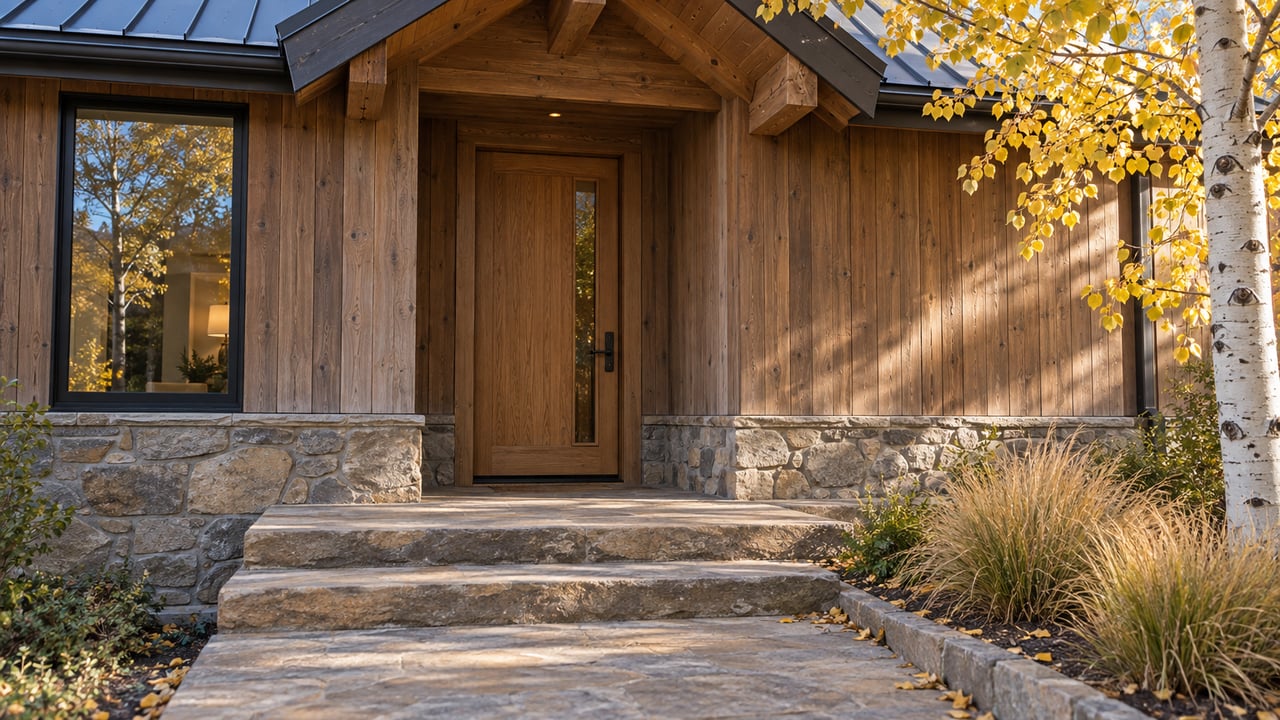
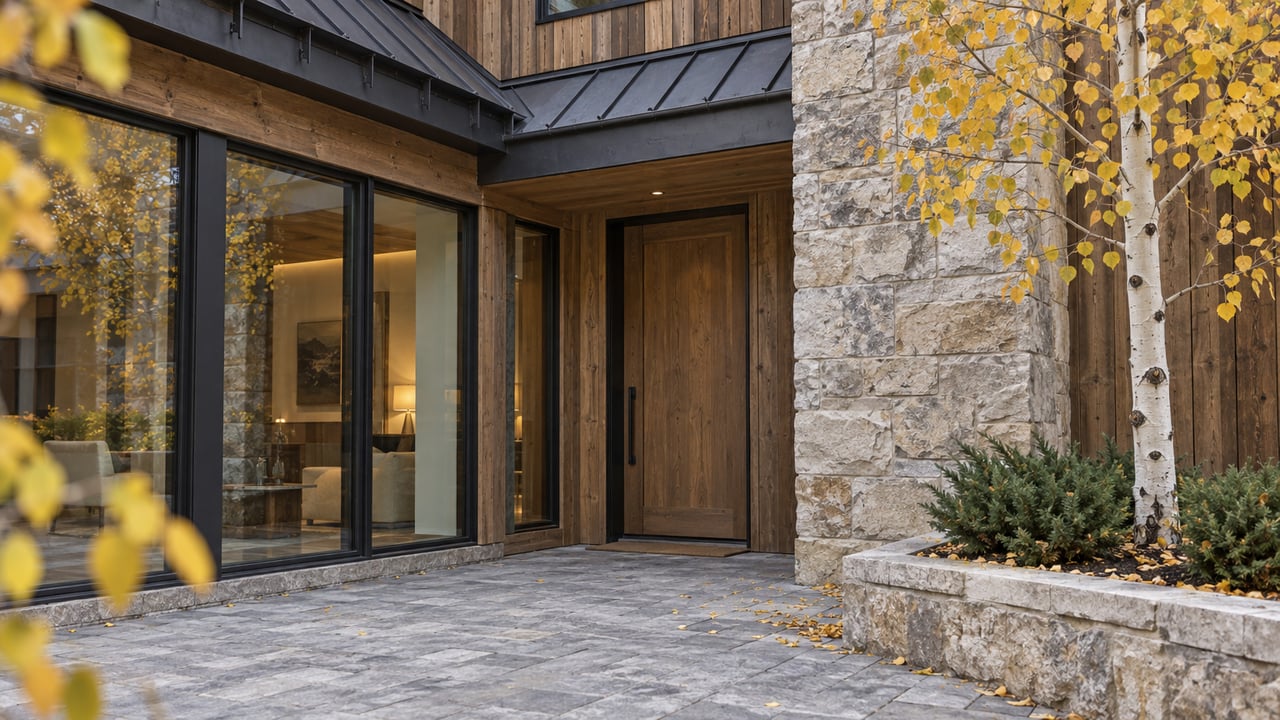
Are you interested in historic Victorian homes in the Downtown Core or modern luxury estates in Mountain Village?
Historical Era / Event | Key Year | Notable Figure / Landmark | Historical Significance |
|---|
Mining Camp Founded | 1878 | San Miguel River Basin Miners | Originally incorporated as Columbia before renaming in 1887 |
First Commercial AC Power | 1891 | Nikola Tesla & L.L. Nunn (Ames Plant) | First long-distance alternating current transmission to power Gold King Mine |
New Sheridan Hotel Built | 1895 | 231 W Colorado Ave | Victorian centerpiece of Main Street hospitality and social gathering |
Telluride Ski Resort Opening | 1972 | Joe Zoline & Mountain Village Founders | Transformed former mining town into world-renowned skiing destination |
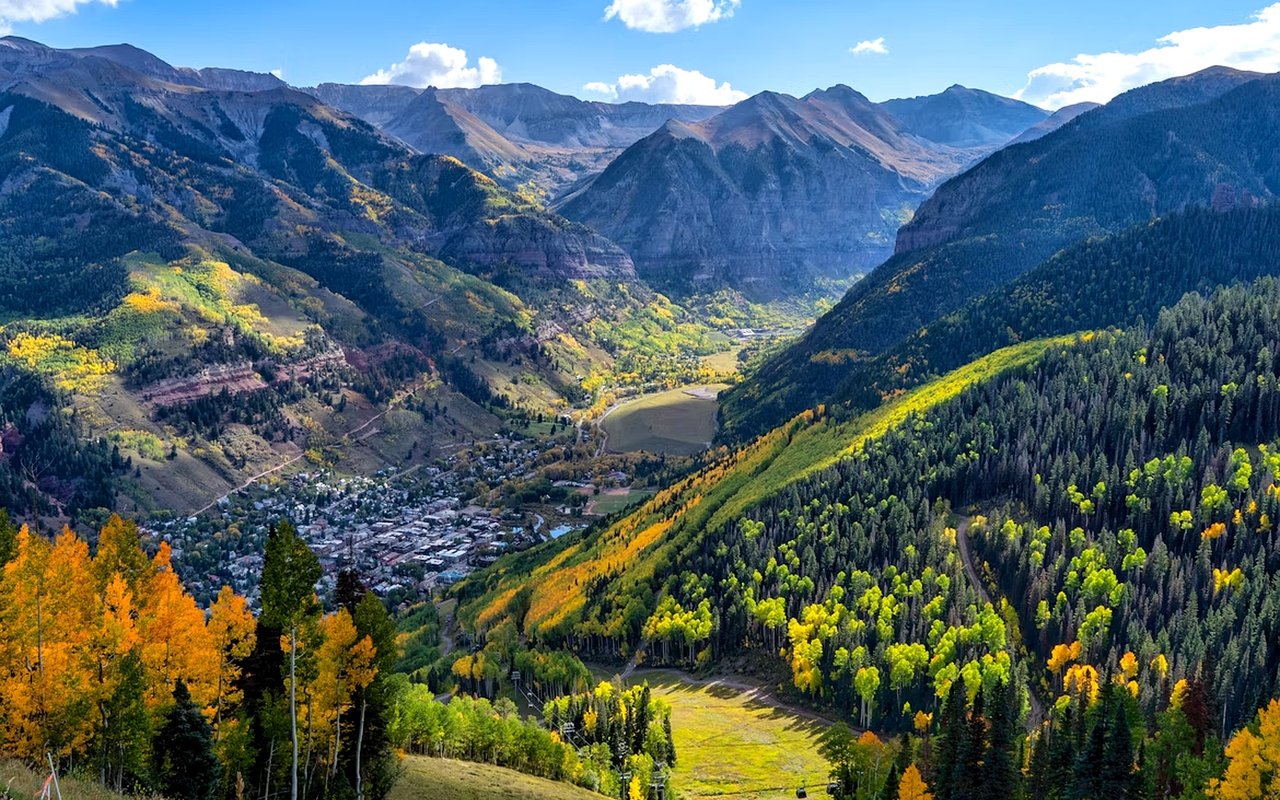
Nestled in the heart of the San Juan Mountains, Telluride is a town rich in history and charm. From its early days as a thriving mining community to its evolution into a world-renowned ski destination, Telluride’s past is as colorful and dynamic as its stunning alpine surroundings. Preserving Telluride’s history offers a glimpse into the lives of pioneers, miners, and visionaries who shaped this unique mountain town. This guide delves into Telluride’s captivating history, highlighting key events and landmarks that define its legacy.
The Mining Boom: Telluride's Early Beginnings
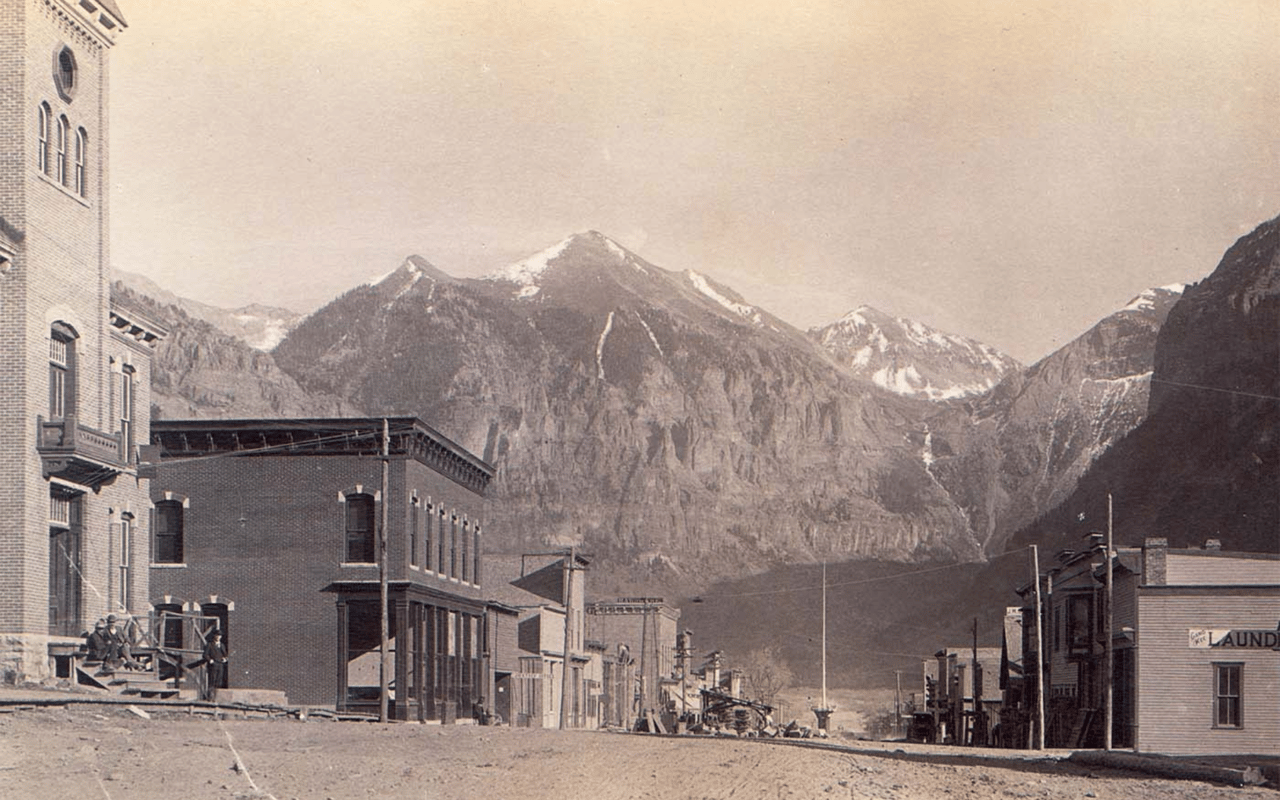
The history of Telluride, CO, began in the late 19th century when the discovery of gold and silver transformed the remote valley into a bustling mining boomtown. Founded in 1878, Telluride quickly attracted prospectors from all over the country, eager to stake their claims in the rich ore deposits found throughout the area. Originally named Columbia, the town was renamed Telluride in 1887, inspired by tellurium, a mineral commonly associated with gold deposits.
During the peak of the mining boom, Telluride was a vibrant community filled with miners, merchants, and adventurers. The town’s rugged terrain and remote location made access challenging, but the construction of the Rio Grande Southern Railroad in 1891 provided a critical link, transporting ore and supplies between Telluride and larger markets.
Electrical History: Nikola Tesla & The Ames Power Plant
One of the most notable events in Telluride’s mining history occurred in 1891 when L.L. Nunn, an entrepreneur and inventor, partnered with Nikola Tesla and George Westinghouse to build the world’s first commercial-grade alternating current (AC) power plant in nearby Ames, Colorado. This groundbreaking innovation revolutionized mining operations, powering Telluride’s mills and mines and marking a significant milestone in global industrial history.
- Site Location: Ames Hydroelectric Generating Plant, Highway 145 south of Telluride
- Historical Distinction: First commercial long-distance transmission of high-voltage AC electricity in the world
- Current Status: Operational hydro plant managed under historic preservation guidelines
The Rise and Fall of the Mining Era
The prosperity of Telluride’s history is closely tied to the fortunes of its mining industry. By the early 20th century, the town was one of Colorado’s most productive mining districts, known for its rich gold, silver, copper, and zinc deposits. Telluride’s historic Main Street was lined with bustling saloons, hotels, and businesses catering to miners and their families.
However, as ore deposits dwindled and mining technology advanced, the town faced economic challenges. The Great Depression and falling metal prices in the 1920s and 1930s led to the closure of many mines, and Telluride’s population declined sharply. By the mid-20th century, Telluride was a near ghost town, its once-thriving streets quiet and largely forgotten.
The Skiing Renaissance: Telluride Preserved & Transformed
The resurgence of Telluride began in the 1970s when visionary entrepreneurs saw the potential to transform the town into a premier ski resort. In 1972, the Telluride Ski Resort opened, breathing new life into the community and drawing outdoor enthusiasts from around the world. The stunning mountain terrain, reliable snowfall, and historic charm made Telluride an ideal destination for skiing, hiking, and mountain biking.
The development of the ski resort marked a turning point for Telluride, attracting investment, tourism, and a new wave of residents eager to experience the town’s unique blend of luxury and rustic appeal. As Telluride grew in popularity, the town embraced its mining heritage, preserving historic buildings and landmarks that tell the story of its past.
Telluride Today: Historic Preservation Meets Mountain Luxury
Today, Telluride’s historic district is a designated National Historic Landmark, with many of its original Victorian structures carefully restored to maintain the town’s authentic character. Walking down Main Street, visitors can explore the iconic New Sheridan Hotel, the historic Telluride Opera House, and other preserved buildings that serve as a testament to the town’s rich history.
Modern Telluride seamlessly blends its historic roots with contemporary luxury, offering visitors and residents a community that celebrates its past while embracing the future. The town’s commitment to preserving local history is evident in its many museums, cultural events, and historic walking tours that bring the stories of the past to life.
The Telluride Historical Museum, located in a converted 1896 hospital at the top of Fir Street, is a must-visit destination for those interested in learning more about the town’s heritage. The museum’s exhibits cover everything from the early Ute Native American inhabitants to the mining era and the ski industry’s impact on Telluride’s development. Interactive displays, artifacts, and guided walking tours provide a comprehensive look at the town’s evolution.
- Address: 201 W Gregory Ave, Telluride, CO 81435
- Hours: Open Tuesday through Saturday 11:00 AM to 5:00 PM
- Exhibits: Ute heritage, 1890s surgical room, mining models, ski resort archives
Telluride’s rich cultural scene also pays homage to its history. Annual events like the Telluride Bluegrass Festival and Telluride Film Festival attract visitors from around the globe, adding to the town’s dynamic atmosphere. Throughout the year, Telluride’s historic venues host concerts, performances, and community gatherings that highlight the town’s enduring spirit.
Exploring Telluride's Key Historic Landmarks
For those looking to explore Telluride’s history firsthand, the town offers numerous landmarks and sites that provide insight into its storied past:
The New Sheridan Hotel: Built in 1895 after a fire destroyed the original wooden structure, this iconic hotel on Colorado Avenue has hosted miners, cowboys, and celebrities over the years. The hotel’s interior retains its Victorian charm, and its historic bar remains a favorite gathering spot for locals and visitors alike.
- Address: 231 W Colorado Ave, Telluride, CO 81435
- Historical Significance: Established 1895; site of William Jennings Bryan's 1899 Cross of Gold speech
The Sheridan Opera House: Originally opened in 1913 by the Telluride Park Association, the Opera House was a cultural hub during the mining era, hosting live vaudeville performances and events. Today, managed by the Sheridan Arts Foundation, it continues to be a centerpiece of Telluride’s vibrant arts scene.
- Address: 110 N Oak St, Telluride, CO 81435
- Historical Significance: Restored 230-seat historic theater hosting year-round concerts and film screenings
The San Miguel County Courthouse: This historic courthouse, built in 1885, is a striking example of Telluride’s early Victorian stone architecture and remains an active government building today.
- Address: 305 W Colorado Ave, Telluride, CO 81435
- Historical Significance: Built 1885; central landmark of San Miguel County civic administration
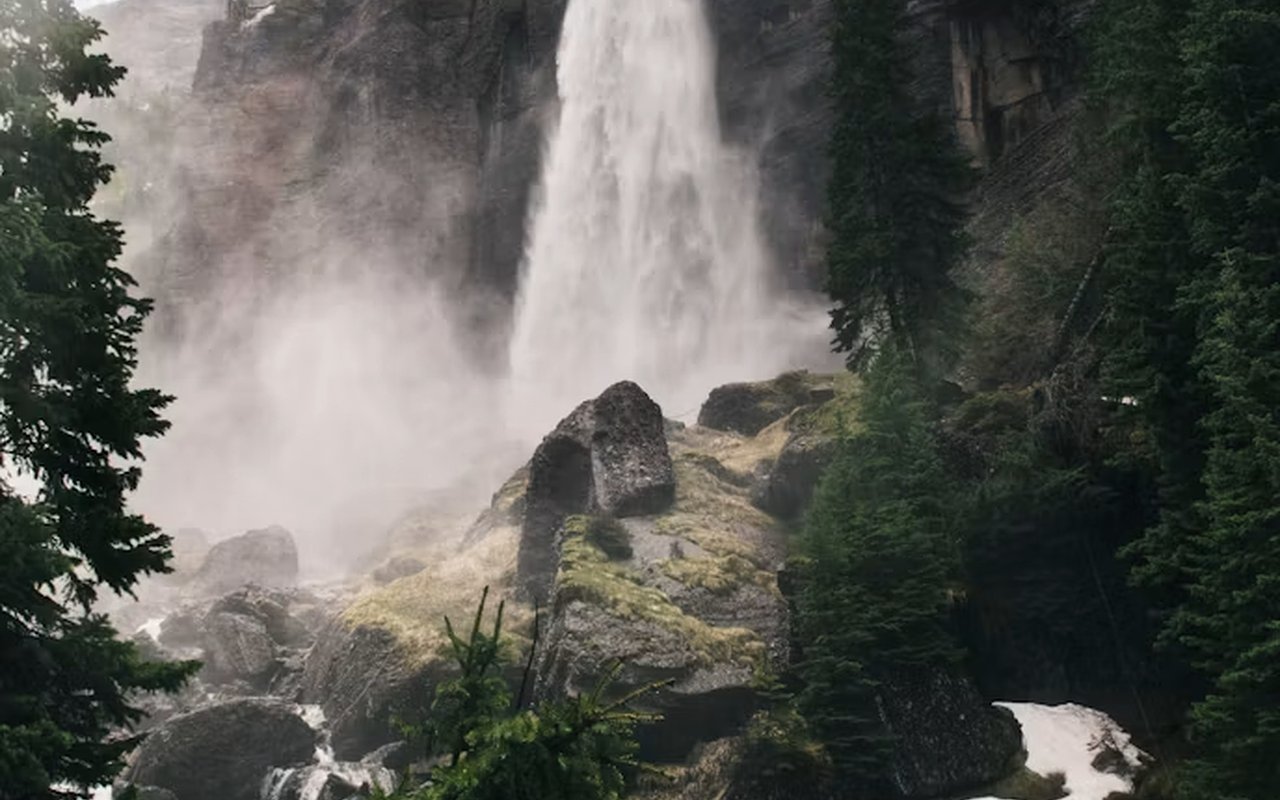
The Smuggler-Union Hydroelectric Power Plant: Perched near Bridal Veil Falls at the head of the canyon, this historic hydroelectric facility showcases Telluride’s pioneering role in electrical innovation and mine engineering.
- Address: East end of Telluride Valley at Bridal Veil Falls cliff top
- Historical Significance: Constructed 1907 to power Smuggler-Union Mine; listed on National Register of Historic Places
Historical dates, architectural designations, and landmark records verified via the National Register of Historic Places, Town of Telluride Historic Preservation Commission, and San Miguel County Historical Society archives. Historical photographic archives referenced via Western Mining History.
Authored by JW Group
Luxury Real Estate Advisors | Luxury Presence Brokerage Partner | Telluride, CO
The JW Group provides luxury real estate advisement across downtown Telluride, Mountain Village, and San Miguel County. Specializing in historic Victorian home restorations, HARC (Historic & Architectural Review Commission) compliance, and commercial properties, our advisors assist clients in navigating the nuances of historic preservation regulations in Telluride's National Historic Landmark District.
Frequently Asked Questions
When was Telluride founded and how did it get its name?
Telluride was founded in 1878 under the original name Columbia. The town was officially renamed Telluride in 1887, derived from tellurium, a nonmetallic element associated with gold and silver ore deposits found throughout the San Juan Mountains.
Why is Nikola Tesla famous in Telluride's history?
In 1891, Nikola Tesla collaborated with entrepreneur L.L. Nunn and George Westinghouse to build the Ames Hydroelectric Generating Plant near Telluride. It was the world's first commercial power plant to generate and transmit high-voltage alternating current (AC) electricity over distance, powering the Gold King Mine.
Is downtown Telluride a designated National Historic Landmark?
Yes, the entire Town of Telluride Historic District was designated a National Historic Landmark in 1961. The designation protects over 300 historic Victorian-era homes, brick commercial buildings, and mining structures under strict local HARC preservation guidelines.
What is the oldest operating hotel in Telluride?
The New Sheridan Hotel on West Colorado Avenue is Telluride's oldest operating hotel, built in 1895 after a fire destroyed the original 1891 wooden building. It features a historic Victorian bar, luxury suites, and a rooftop lounge overlooking Main Street.
Can you buy historic homes in downtown Telluride?
Yes, historic Victorian homes and restored miner's cabins in downtown Telluride are available for purchase. Modifications to these properties are governed by Telluride's Historic & Architectural Review Commission (HARC) to ensure architectural integrity and historic preservation compliance.