By JW Group
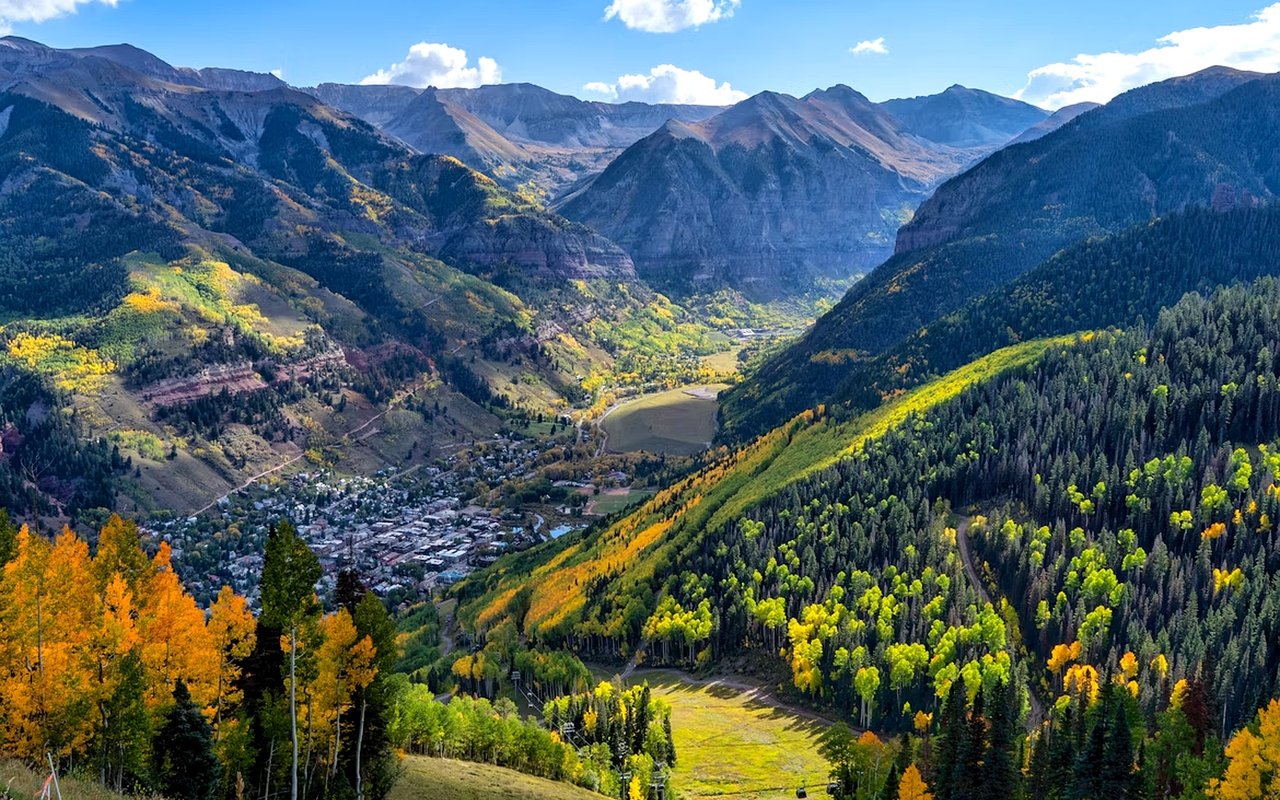
We talk with buyers all the time who are excited about designing their dream home in Telluride — but most don’t realize how different building here is compared to other markets. From steep terrain to seasonal access, local regulations to utility coordination, every step has unique considerations. If you’re thinking about building a house in Telluride, this guide will walk you through the key things you need to know before you break ground so you can avoid surprises and make informed decisions.
Key Takeaways
- Telluride building sites vary widely, and due diligence on land and access is essential.
- Local regulations, permits, and utility plans shape your timeline and budget.
- Working with experienced professionals and planning for seasonality pays off.
Choose the Right Lot Before You Plan
The foundation of your build starts with choosing the right parcel of land. In Telluride, lot characteristics determine so much of what’s possible and how much it ultimately costs.
What to Look for in a Lot
Critical Land Factors That Impact Your Build
- Access and Driveway Grades: Steep lots may require extensive grading and retaining walls that add cost.
- Views and Solar Orientation: Positioning your home for natural light and mountain views improves comfort and resale appeal.
- Drainage and Soil Conditions: Telluride’s alpine terrain can present variable soils; soils testing helps avoid costly fixes later.
- Proximity to Services: Distance to water, power, and sewer or septic impacts utility installation costs and timelines.
Investing time in evaluating these aspects upfront saves money and frustration down the road.
Understand Local Regulations and Permits
Telluride sits within San Miguel County and has specific rules that affect how homes are built. Before you start designing, you must understand what’s permitted and required.
Regulations That Affect Your Project
Permits and Approvals to Anticipate
- Building Permits: Required for all structural work; early submission and review help avoid delays.
- Design Review: Certain neighborhoods in Telluride require architectural review to ensure homes fit local character.
- Erosion and Stormwater Plans: Mountain terrain requires careful planning to protect slopes and waterways.
- Setbacks and Height Limits: Local codes dictate how close structures can sit to property lines and how tall they can be.
Navigating these regulations with a professional versed in Telluride’s requirements makes the process smoother and helps avoid costly rework.
Plan for Utilities and Site Access
Utilities in mountain towns behave differently than in flat areas. Water, power, sewer or septic, and even internet require early coordination.
Utility Considerations
What You Need to Arrange
- Water Source: Telluride properties may be on municipal water or require a well; confirm availability early.
- Sewer vs. Septic: Some lots connect to sewer, others need septic systems — testing and permits for septic can take time.
- Power and Telecom: Extending power lines or fiber to remote lots adds cost and may require coordination with providers.
- Road Maintenance: If your lot is accessed by private roads, budgeting for ongoing maintenance is essential.
Delays in utility setup can stall construction, so we recommend lining up providers before finalizing your schedule.
Build With Seasonal Constraints in Mind
Telluride’s climate defines the building calendar. Winters are long and snowy, and many contractors focus on framing and exterior work in warmer months.
How Weather Affects Your Timeline
Seasonal Building Tips
- Summer Builds: Peak building season due to longer days, easier access, and reduced weather delays.
- Late Fall Prep: Site work and foundation work done before winter give you a jump on framing next spring.
- Winter Challenges: Heavy snow can halt outdoor work; plan for weather contingencies in your schedule.
Flexibility in your timeline helps crews deliver quality work rather than rushing against the weather.
Choose the Right Team for Telluride Conditions
Who you work with matters as much as what you build. Telluride’s conditions reward experience and local knowledge.
Key Professionals to Engage
Team Members That Make a Difference
- Architect with Mountain Experience: Designs that fit the terrain, maximize views, and meet local codes.
- General Contractor Familiar with Alpine Builds: Knowledge of winter conditions and supply logistics is critical.
- Civil and Structural Engineers: Ensure your home handles slopes, snow loads, and drainage properly.
- Energy and Sustainability Advisors: Investing in efficiency pays dividends in comfort and operating costs.
A collaborative team familiar with mountain construction helps keep your project on time and on budget.
Budget Wisely — Expect the Unexpected
Building in Telluride often costs more than in flatland markets, and unexpected costs can arise.
Cost Factors to Consider
Where Budgets Stretch
- Site Preparation: Earthwork on steep lots adds time and cost.
- Foundation Challenges: Rock excavation or reinforced foundations may be required.
- Material Delivery: Remote locations can increase transportation expenses.
- Change Orders: Design changes mid‑build can quickly inflate costs.
Include at least a 10–15% contingency in your budget to handle surprises without blowing your plans.
Design for Mountain Living
Your design choices should reflect not just style, but function. Telluride’s lifestyle and climate demand intentional decisions.
Styles and Features That Work Well
Practical and Appealing Design Elements
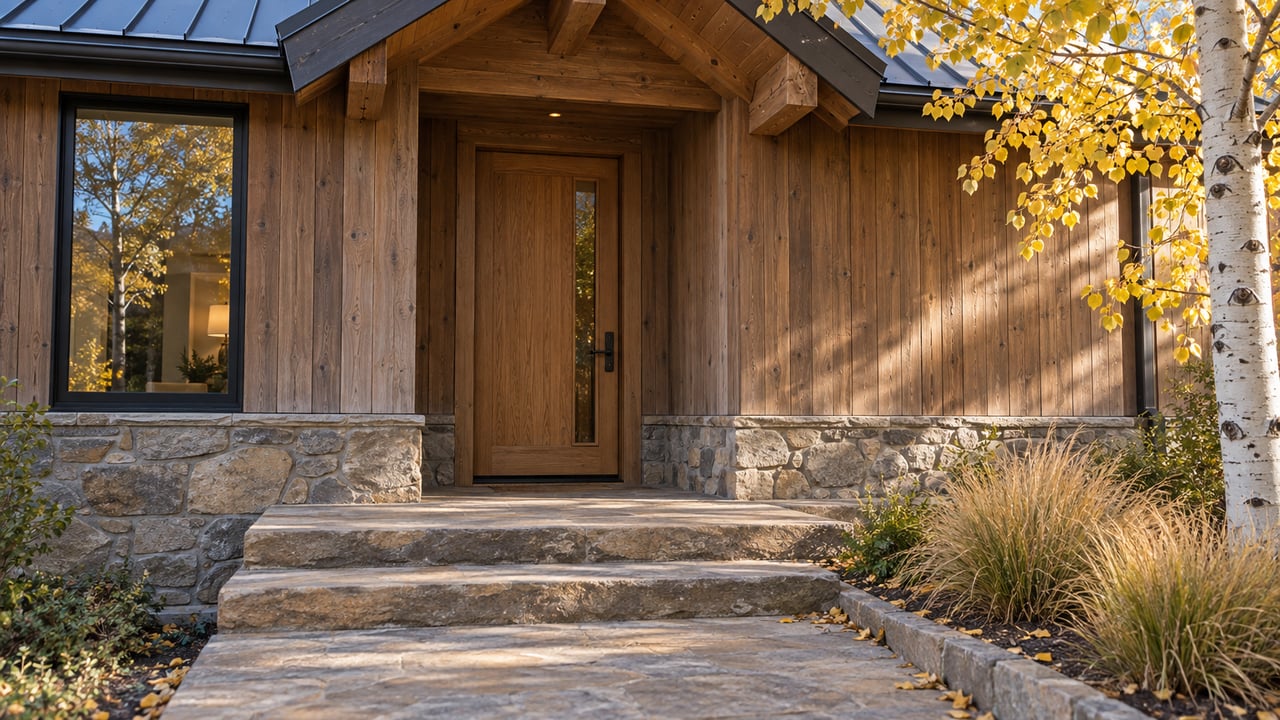
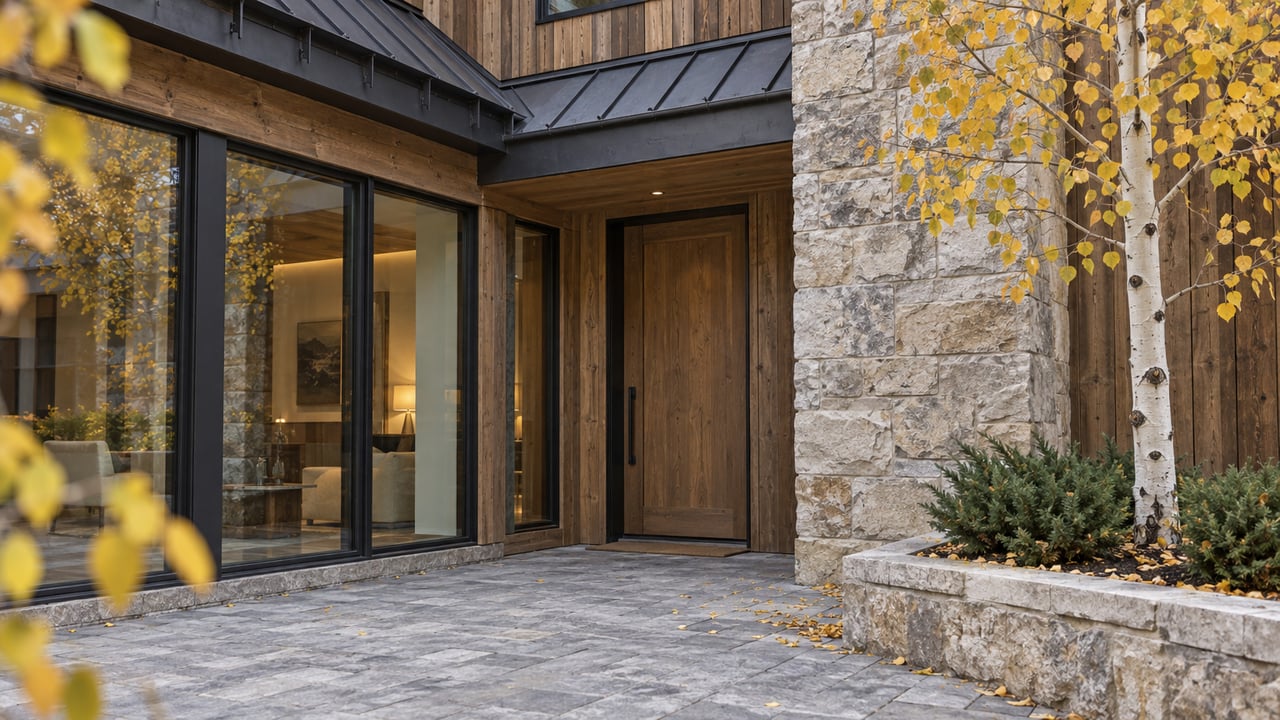
- Durable Exterior Materials: Stone, metal roofing, and engineered siding stand up to snow and sun.
- Passive Solar and Insulation: Maximizing natural heat gain and retaining warmth improves comfort and saves energy.
- Mudrooms and Storage: Practical entry spaces help manage gear after outdoor activities.
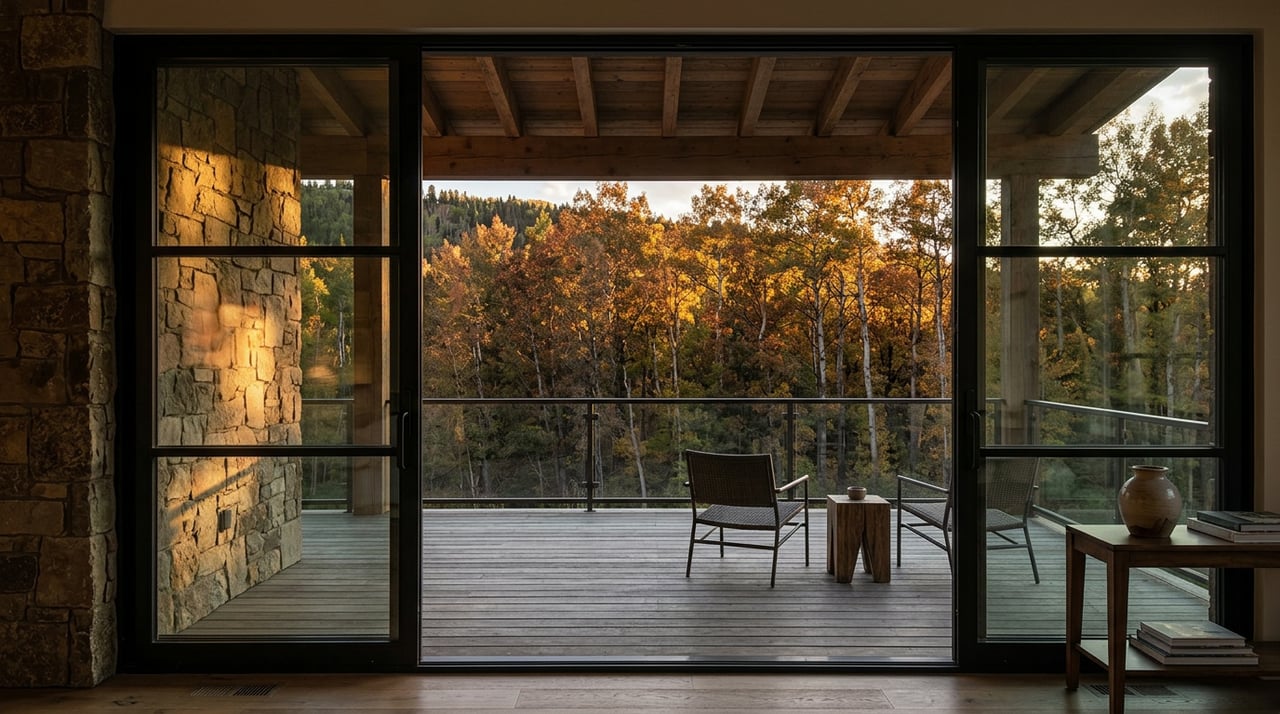
- Views and Outdoor Spaces: Large windows and well‑placed outdoor living areas help you connect with the landscape.
A thoughtful design makes your home beautiful and better adapted to mountain living.
FAQs About Building in Telluride
How long does it typically take to build a house here?
Build times vary, but many projects take 9 to 18 months from permit to completion, depending on weather, site complexity, and contractor availability.
Do I need a local architect or contractor?
Yes — professionals familiar with Telluride’s terrain, codes, and weather patterns help avoid costly mistakes and delays.
What’s the biggest challenge people face when building here?
Unexpected site conditions and utility coordination are common challenges, which is why thorough planning and early communication with providers is essential.
Contact Us Today
Building a house in Telluride is an exciting journey, but it’s easier when you have a plan and a supportive team alongside you. We’ve helped clients navigate land selection, regulations, design decisions, and construction challenges so they can enjoy a home that fits their vision and lifestyle.
Reach out today and start planning your build with confidence. We’ll walk with you through every step — from lot evaluation to final finishes — with thoughtful guidance and local expertise.