A Comparison of Telluride and Other Colorado Mountain Towns for Real Estate
Telluride stands apart from Aspen, Vail, Breckenridge, and Steamboat Springs by combining extreme box-canyon seclusion, strict 4,000-home development caps, and zero I-70 corridor traffic. With downtown single-family prices averaging $2,115 per square foot, Telluride offers ultra-wealthy buyers long-term equity stability and private luxury at 8,750 feet elevation.
Evaluating Colorado Mountain Real Estate Investments
Are you comparing luxury properties in secluded Telluride against high-inventory Front Range resort options?
Comparison Factor | Telluride | Aspen | Vail | Breckenridge | Steamboat Springs |
|---|
Avg Single-Family Price/Sq Ft | $2,115 PSF (Town) | $3,100+ PSF | $1,850 PSF | $1,050 PSF | $950 PSF |
Accessibility & Crowd Levels | Low crowds; 65 min from Montrose (MTJ) | Moderate crowds; local airport (ASE) | High I-70 traffic; 2 hrs from Denver | Heavy weekend crowds; 1.5 hrs from Denver | Moderate crowds; HDN airport in Hayden |
Growth Limits & Supply Caps | Extreme cap (4,000 single-family total) | Strict municipal limits | Moderate inventory volume | High development volume | Active growth expanses |
Primary Lifestyle Vibe | Uncrowded, historic, authentic luxury | High-glitz, cosmopolitan, celebrity | Commercialized alpine village resort | Bustling, family-friendly, historic | Down-to-earth Western ranching heritage |
Our Pick For | Best for Uncrowded Privacy & Capital Preservation | Best for Cosmopolitan Nightlife | Best for Front Range Highway Access | Best for Short-Term Rental Volume | Best for Casual Western Living |
Colorado's iconic mountain towns are synonymous with luxury living, world-class skiing, and the promise of a serene yet vibrant lifestyle. For high-net-worth individuals seeking a second home or a sound real estate investment, the state's top mountain destinations,
Telluride, Aspen, Breckenridge, Steamboat Springs, and Vail, all beckon with unique opportunities. But when choosing between these exceptional locales, which stands out as the overall best option for lifestyle and investment potential?
Below, we take a closer look at all five towns and showcase why the most remote of the options, Telluride, might prove to be the closest to what you are seeking.
Lifestyle & Exclusivity Comparison
While the prospect of outstanding skiing bonds Colorado's mountain towns together, one of the allures of traveling the state is that each destination offers its own unique personality. From the skiing to the dining and social scene to the architectural styles on offer, each town possesses a specific factor the others do not. Even the universal language of apres-ski carries a different accent from town to town.
Telluride: Secluded Box Canyon Luxury & Community
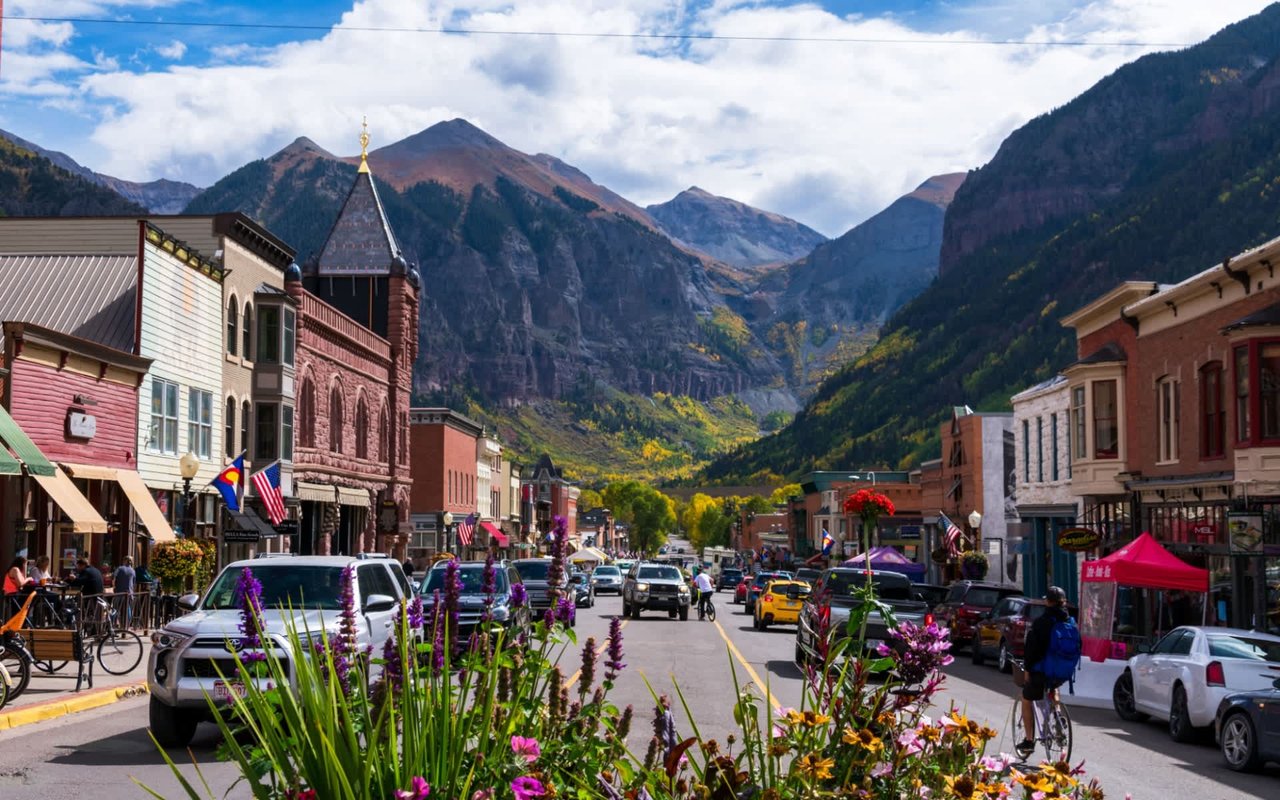
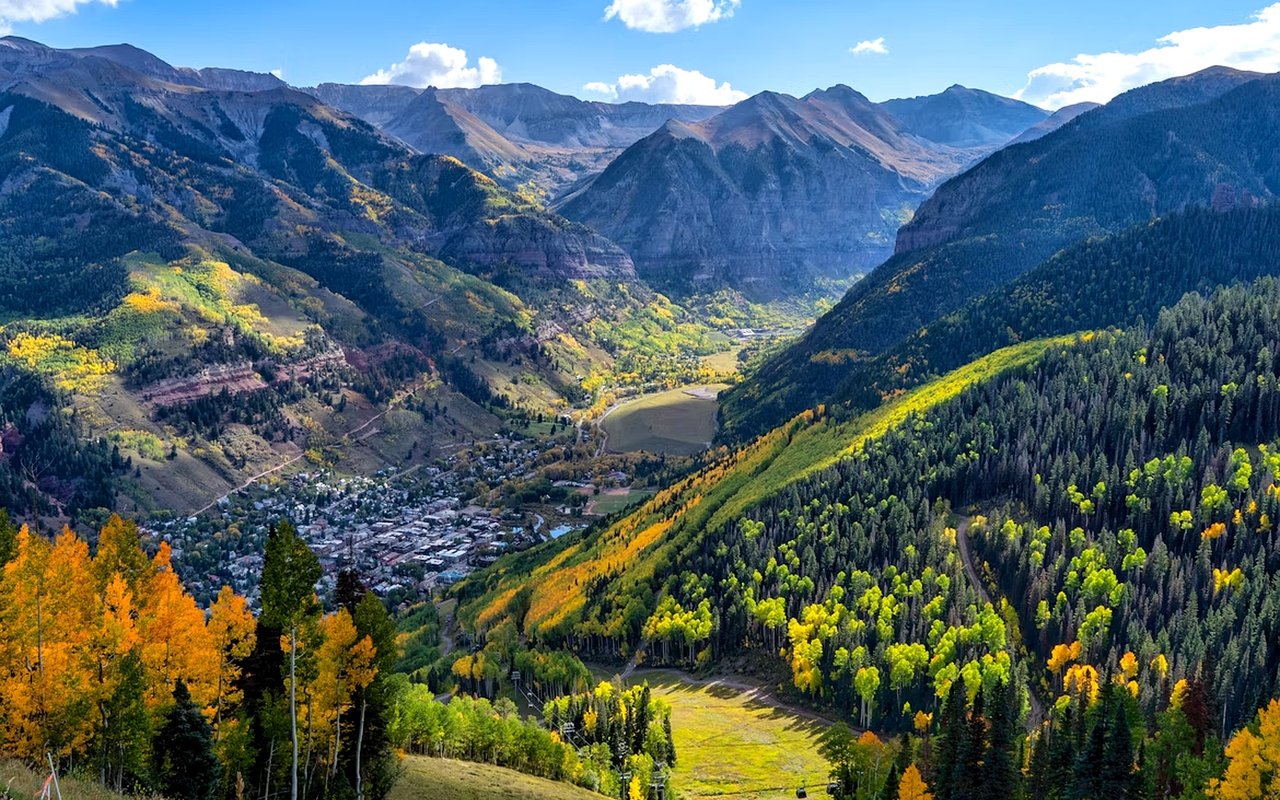
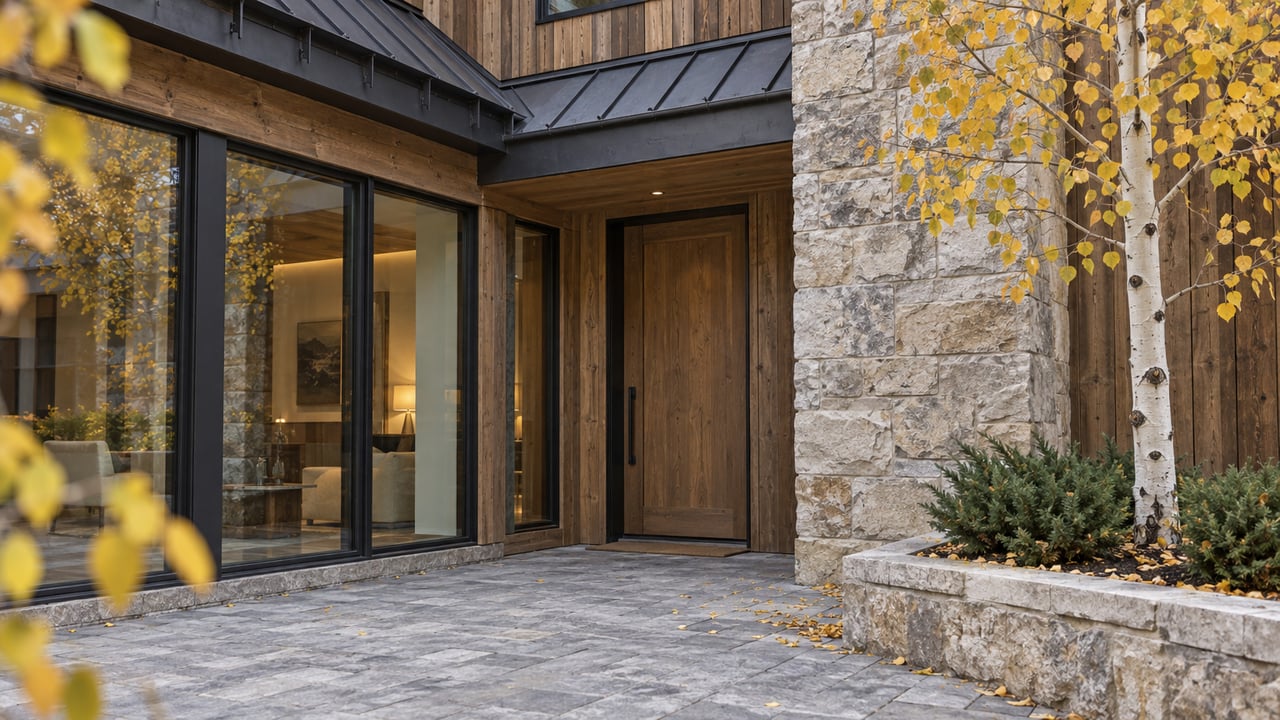
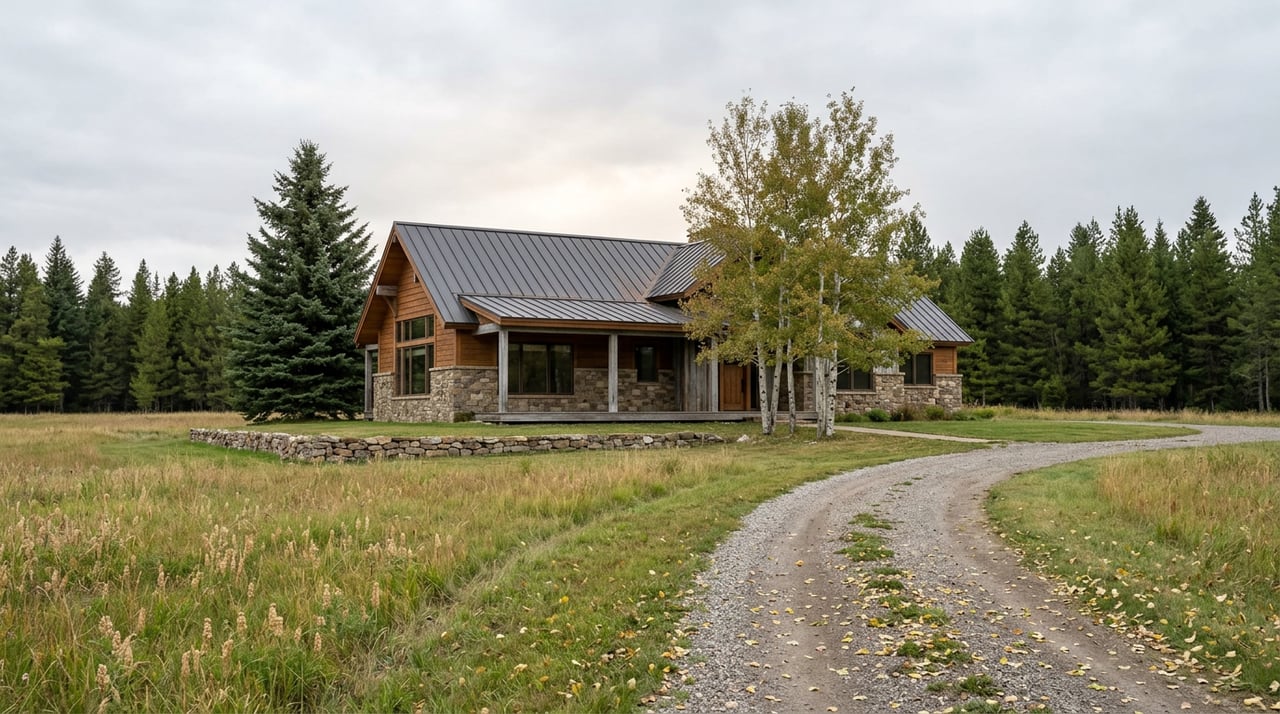
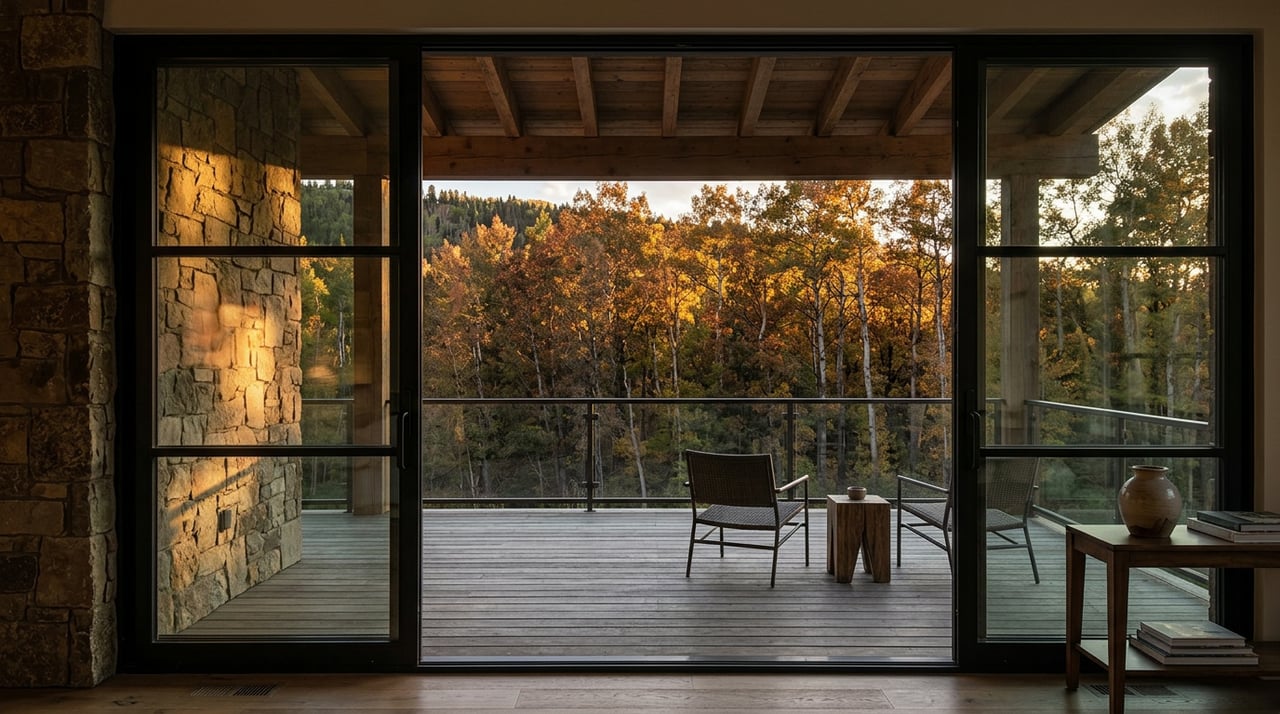
Arguably the most authentic mountain town among Colorado's elevated destinations, Telluride benefits greatly from its location and historic Victorian roots. Set in a box canyon and staring upward at the majestic peaks of the San Juan Mountains, Telluride offers an unparalleled lifestyle marked by natural beauty, a close-knit community, and a balance between luxury and a laid-back atmosphere. Because it is set away from major highway corridors, the absence of large crowds, even during peak season, sets Telluride apart from other ski towns, providing a private and exclusive experience.
Aspen: High-Glitz Cosmopolitan Culture
Aspen is synonymous with luxury and celebrity culture, offering a cosmopolitan lifestyle with high-end dining, luxury shopping, and arts, alongside world-class skiing on Aspen Mountain and Highlands. While Aspen's energy is appealing, it can feel crowded during peak tourist seasons, reducing the secluded mountain tranquility that many high-net-worth buyers seek.
Breckenridge: Historic Charm & Front Range Accessibility
Charming and historic, with a bustling Main Street and a family-friendly atmosphere, Breckenridge's real estate market benefits from its close proximity to Denver along I-70. The high tourist volume makes it suitable for short-term rental income properties, but that same popularity creates day-tripper congestion that reduces exclusivity for luxury buyers.
Steamboat Springs: Down-To-Earth Western Heritage
Steamboat Springs is known for its relaxed, down-to-earth vibe, appealing to those looking for an authentic Western mountain experience. While it offers a high-quality lifestyle, natural geothermal hot springs, and a rich Olympic sporting heritage, it lacks the high-end luxury amenities and strict exclusivity found in Telluride.
Vail: Highway-Accessible Alpine Resort Village
With its European-style pedestrian village, extensive amenities, and year-round appeal, Vail offers comprehensive resort conveniences. However, like Aspen and Breckenridge, its highway location along I-70 makes it prone to heavy weekend crowds from the Denver metro area, making it less ideal for buyers desiring a private second-home setting.
Investment Stability, Price Per Square Foot & Long-Term Value
High demand, geographical limits, and local zoning restrictions drive real estate value retention across Colorado resort markets.
Telluride: Supply-Capped Equity & High Cash Concentration
Telluride's real estate market is widely recognized for equity stability, supported by steady demand and capped supply. With only 14,000 private acres in San Miguel County surrounded by federal wilderness, local master plans cap total single-family residential development at 4,000 homes. Combined with a high cash-buyer concentration (over 60% of transactions), Telluride properties demonstrate strong downside protection and consistent historical appreciation.
Aspen: Global Visibility & High Entry Capital
Aspen remains a top-tier luxury market with global prestige. However, its high reliance on international financial markets can create pricing fluctuations. Furthermore, single-family prices averaging above $3,100 per square foot require substantial entry capital, which can limit transactional liquidity compared to Telluride.
Breckenridge: High Rental Turnover & Seasonal Volatility
Breckenridge offers historic charm and accessibility, but its market experiences higher volatility tied to seasonal tourism and Front Range economic shifts. While rental yields remain steady, long-term capital appreciation rates do not match the exclusivity-driven gains observed in Telluride.
Steamboat Springs: Steady Growth & Moderate ROI
With its Western heritage and family-friendly focus, Steamboat Springs offers a stable long-term market. However, broader land availability and moderate price growth make it less suited for investors seeking high-end luxury appreciation.
Vail: High Inventory Volume & Commercial Liquidity
Vail's real estate market maintains strong demand for vacation condominiums and rental homes. However, higher overall property inventory and commercialization can temper long-term per-square-foot appreciation compared to supply-restricted box-canyon markets.
Comparative real estate sales metrics, price-per-square-foot averages, airport proximity data, and zoning constraints verified via San Miguel County Land Title records, Pitkin County Assessor files, Eagle County MLS, and Colorado Association of Realtors market reports.
Authored by JW Group
Luxury Real Estate Advisors | Luxury Presence Brokerage Partner | Telluride, CO
The JW Group specializes in luxury real estate advisement across Telluride, Mountain Village, and San Miguel County. Analyzing multi-resort real estate data, regional airport access, and local growth regulations, our team assists buyers in evaluating property across Colorado's top mountain destinations. In 2023–2025, our advisors represented buyers and sellers across key residential sales in regional luxury markets.
Frequently Asked Questions
Why is Telluride considered more exclusive than Aspen or Vail?
Telluride is considered more exclusive due to its geographic box-canyon setting, distance from major highway corridors like I-70, and strict municipal growth caps limiting total single-family homes to 4,000. This preserves a private, uncrowded mountain environment even during peak winter ski and summer festival seasons.
How do real estate prices per square foot compare between Telluride and Aspen?
In downtown Telluride, single-family homes average approximately $2,115 per square foot (PSF), whereas Aspen single-family properties average over $3,100 PSF. Telluride offers comparable luxury amenities, world-class skiing, and uncrowded privacy at a competitive relative entry valuation.
Which Colorado mountain town offers the best short-term rental investment yields?
Towns with high tourist turnover like Breckenridge and Vail generate consistent short-term rental booking volume. However, Telluride and Mountain Village deliver strong gross rental yields combined with higher long-term capital appreciation due to strict property supply caps.
Is Telluride harder to get to than Vail or Breckenridge?
Telluride is located in Southwest Colorado, approximately 65 miles from Montrose Regional Airport (MTJ), which offers direct commercial flights from major US hubs. Unlike Vail or Breckenridge, Telluride cannot be accessed via I-70 day-trippers from Denver, insulating the town from Front Range traffic congestion.
How do growth caps protect real estate values in Telluride?
San Miguel County enforces strict land-use policies across its 14,000 private deeded acres, capping total residential building permits. This fixed supply ceiling prevents suburban sprawl and overbuilding, supporting long-term home equity and resale demand.